What Is Energy Efficiency?
We should first start by talking about what energy efficiency is. Efficiency has to do with how much energy is used to complete a task. In our instance, it’s how much energy is used by your HVAC system to make your space comfortable. The greater the efficiency of your system, the less energy that is used to keep the space treated with cool or warm air.
For example if you have two systems that are trying to cool the same exact house, and one uses more energy than the other to get the space to the exact same temperature, that’s the less efficient system. The system that uses less energy is MORE energy efficient.
In essence, using less energy to do the same job means a system is more efficient. This is the same with cars, lights, etc. So many different appliances and machines use energy, but efficiency is a factor that helps you with cost, and performance.
Energy Efficiency Ratings For HVAC Systems
Every HVAC system has its own energy efficiency rating. It’s a little different from system to system, but the general rule is the higher the rating, the more energy efficient your system is. Here are the terms for each rating based on the type of system:
SEER2 (Seasonal Energy Efficiency Ratio 2): Measures cooling performance for air conditioners and heat pumps. High-efficiency units range from 16 to 20+ SEER2.
COP (Coefficient of Performance): This measures the efficiency of heat pumps, air conditioners, and refrigerators. COP means instant ratio of heat moved to electricity used.
HSPF2 (Heating Seasonal Performance Factor 2): Measures seasonal heating output for heat pumps.
AFUE (Annual Fuel Utilization Efficiency): This measures furnace and boiler efficiency, which shows the percentage of fuel turned into heat. This ranges from 80% to 98.5%
These are the basics here, and if you want to read more, you can check out this article from Trane that will dive further into these ratings, and a few other technical terms.
Why Efficiency Matters When You Install A New HVAC System
The efficiency rating of your new HVAC system is going to directly affect your energy bills, environmental impact, and your system’s lifespan. Let’s start with the most important factor, your energy bills:
Higher Efficiency Means Lower Energy Bills
The more efficient your HVAC system is, the less energy it’s going to use, lowering your energy bills for the lifespan of your system. For example, if you want your home at 70 degrees, and you run a system with a SEER2 rating of 16, it’s going to cost more than using a system with a SEER2 rating higher than 16.
This is important when you are buying a new system. The cost for a more efficient system is usually higher, but the energy costs over the lifetime of your system are going to be less. This is usually a factor that helps you SAVE money in the long run, even if the initial cost is a bit more.
Environmental Impact
Another reason to be more energy efficient is being environmentally friendly. If you consume less energy, you are helping out the environment. Systems with lower energy use will produce fewer emissions, and take up fewer resources to make your space comfortable. For this reason, there are usually incentives for buying a more efficient system that will help reduce the initial cost of installation.
Longer System Lifespan
If your HVAC system is working efficiently, that means it’s using less energy, and not working as hard as a less efficient system. This lower energy use takes some of the stress off of your system, and allows it to last longer than if it was running harder. If you make sure to schedule routine maintenance, you are going to get the most years out of your system, which could equate to major savings in the long run!
Using Rebates, Tax Credits, And Financing To Save
In some areas of the country, you can save by using rebates or tax credits issued from manufactures, energy providers, and government programs for new energy efficient HVAC equipment. These rebates are in place to help reduce our environmental impact, and encourage homeowners to install more efficient equipment.
As we mentioned, the more efficient a system is, the lower your energy bills should be. The only problem is the cost of the system is going to go up as the efficiency rating does. This is where you should explore any savings opportunities from rebates or tax credits.
Financing can also help with the initial cost. Instead of opting for a cheaper, less efficient option, using financing can help you push off the large initial investment, spread out your payments, and install the better, more energy efficient system. Over the lifespan of the system, the reduced energy bills can help you save money, as opposed to saving on the installation and paying more out of pocket for energy bills the next 10+ years.
How To Maintain Energy Efficiency
Once you decide on an HVAC system for your home, make sure you have regular maintenance performed once a year, sometimes twice a year depending on your system. Regular service helps maintain efficiency, as well as improving indoor air quality, reducing the chance of breakdowns, and extending the life of your unit. It also maintains your warranty in some cases.
Be sure to schedule regular maintenance to get the most out of your system, and consider a maintenance plan. Maintenance plans help you save money on service and repairs, while guaranteeing your system is taken care of regularly.
Read More: The Advantages Of A Maintenance Plan For Your HVAC System
Installing An Energy Efficient HVAC System In Virginia And Tennessee
If you are considering a new HVAC system for your home, make sure it’s energy efficient! If you are located in Northeastern Tennessee, or Southwest Virginia, Complete Comfort can help you out! Our team has trained experts who can suggest the right system for your home, and help you find the most efficient one that fits your needs. Give us a call at (276) 690-9222, or contact us online today!

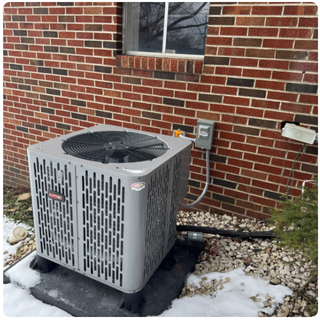 When you decide to replace your HVAC system, whether it’s a heat pump, furnace, air conditioner, or boiler, you should consider the energy efficiency rating of your new system. When most people decide to replace their heating and cooling systems, they are usually focused on two things, cost and comfort. This makes sense, and we agree that these are two of the most important factors that should influence your decision.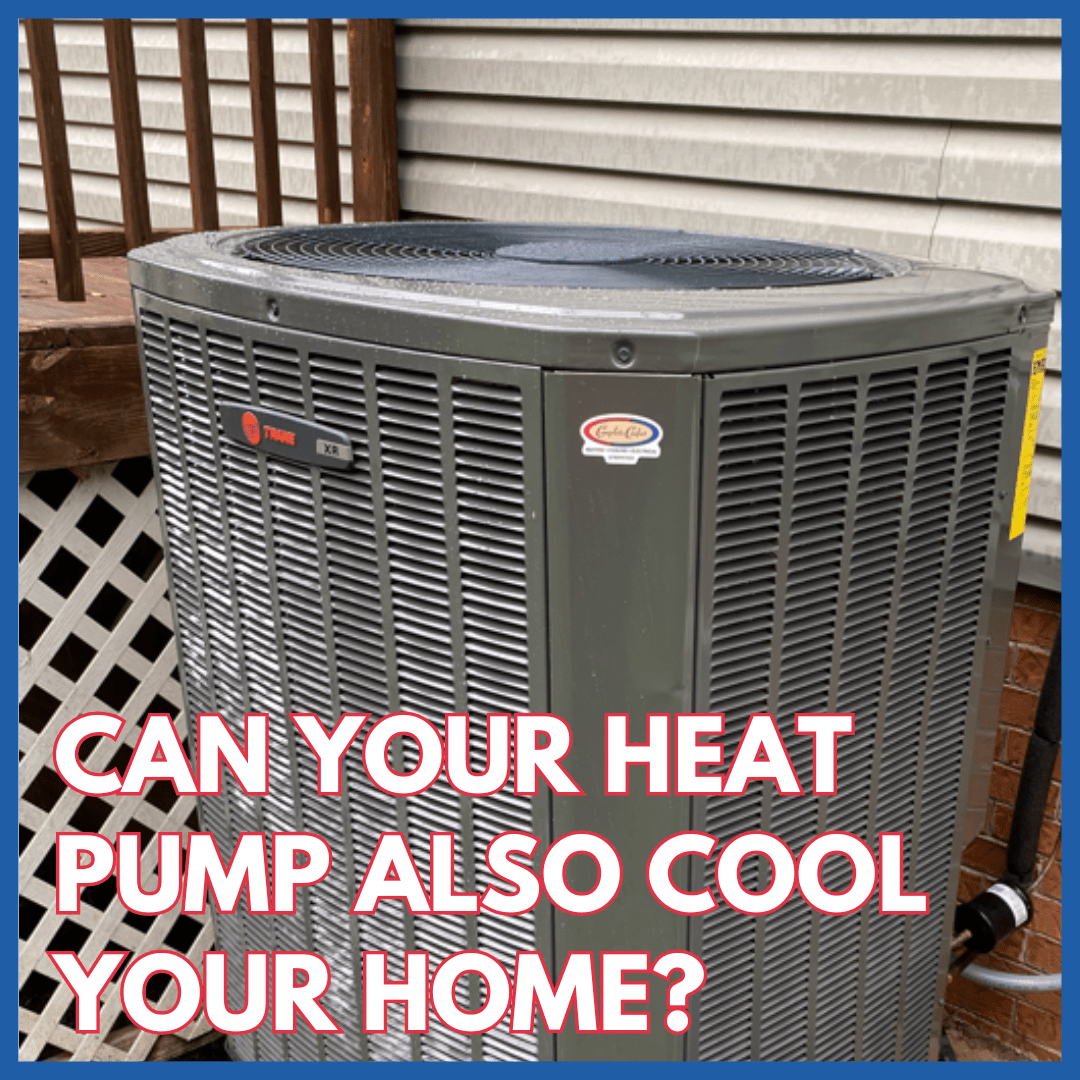
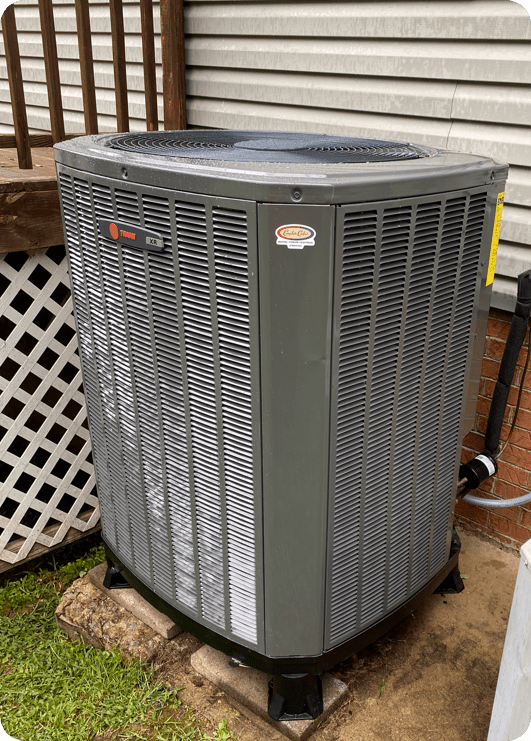 One of the most energy efficient and best ways to keep your home or business comfortable is with a heat pump. Not only do they heat your home in the winter, but they also have the ability to cool your home in the summer. In Bristol, VA and the surrounding areas, heat pumps are one of the most popular ways to keep a home or business comfortable all year long.
 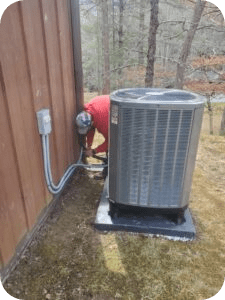 Absolutely, heat pumps are designed for year-round use. In the winter, they provide efficient heating by extracting heat from the outside air—even in cold temperatures—and transferring it indoors. During the summer months, the process is reversed to cool your home by removing indoor heat and releasing it outside.