The Pros And Cons Of Different Air Conditioning Systems

The Pros And Cons Of Different Air Conditioning Systems

The Pros And Cons Of Different Air Conditioning SystemsChoosing the right air conditioning system for your home is a big decision. It’s a costly investment that impacts your comfort for the next decade or more. In our area of Southwest Virginia and Northeastern Tennessee, we see some hot summers. Your cooling system plays a major role in your comfort, energy bills, and even indoor air quality.

At Complete Comfort, we specialize in helping homeowners choose the best system for their needs. Whether you’re upgrading an old unit or installing AC for the first time, understanding the pros and cons of each option can help you make the right choice. We’ve been helping homeowners and business owners in the area since 2011, making sure they are comfortable all year round. 

If you need help selecting or installing a new cooling system, give us a call at (276) 690-9222 or contact us online to schedule an estimate. Our experts will assess your space, and give you some options that will keep the space cool all summer long. 

Heat Pumps

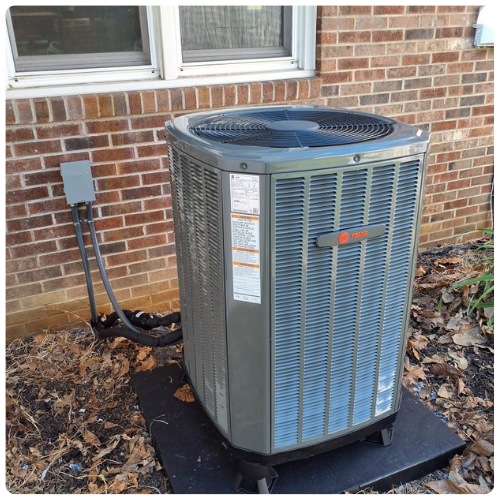
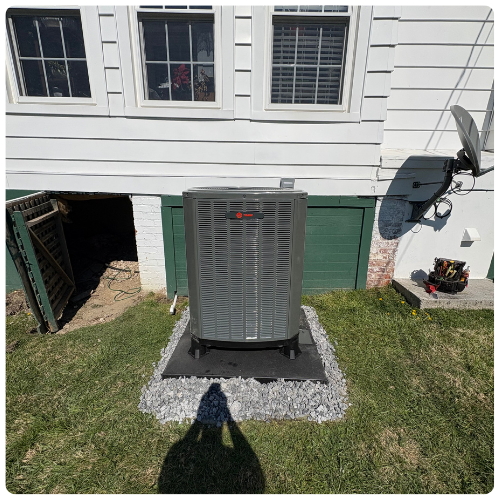
Heat pumps are one of the most popular and efficient HVAC systems available today. They work by transferring heat rather than generating it, allowing them to cool your home in the summer and heat it in the winter. They are the most common system that we install, and for good reason. 

Pros:

  • Energy Efficiency: Heat pumps are extremely efficient, especially compared to traditional systems. This can lead to lower monthly energy bills.
  • Heating & Cooling In One System: You get year-round comfort without needing a separate furnace.
  • Environmentally Friendly: Because they use less energy, heat pumps reduce your carbon footprint.

Cons:

  • More Expensive To Install: The upfront cost can be higher than traditional AC systems, though rebates and tax credits can help offset the cost.

Central AC Systems

Central air conditioning systems are a traditional and reliable way to cool your entire home using ductwork. They used to be the standard before heat pump technology became more popular, but we still see some homes with them around our area. 

Pros:

  • Whole Home Comfort: Central AC systems distribute cool air evenly throughout your home.
  • Environmentally Friendly: Modern systems are much more efficient than older models and use improved refrigerants.

Cons:

  • Cannot Provide Heating: You’ll need a separate heating system, like a furnace or heat pump.
  • Not As Efficient As Heat Pumps Or Mini Splits: While efficient, they typically don’t match the performance of newer technologies.

Ductless Mini Splits

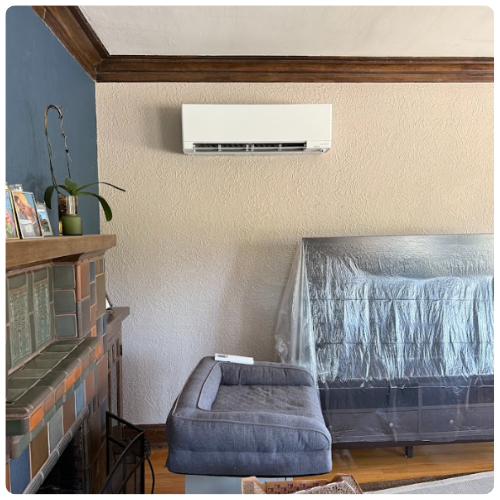
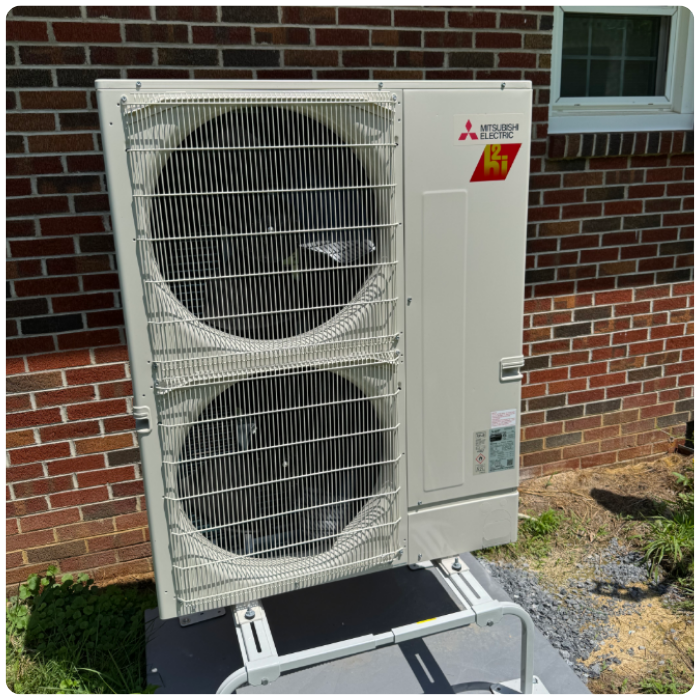
Ductless mini splits are becoming increasingly popular for their flexibility and efficiency. We see these more and more in homes and businesses, and are perfect HVAC solutions for a few different reasons. These systems consist of an outdoor unit connected to one or more indoor air handlers. Their ease of installation and lack of a need for ductwork has made them one of our favorite systems to install. 

Pros:

  • Energy Efficiency: Ductless systems are highly efficient and avoid energy loss through ductwork.
  • Heating & Cooling: Like heat pumps, they provide both heating and cooling, giving you year-round comfort.
  • Environmentally Friendly: Lower energy use means less environmental impact.
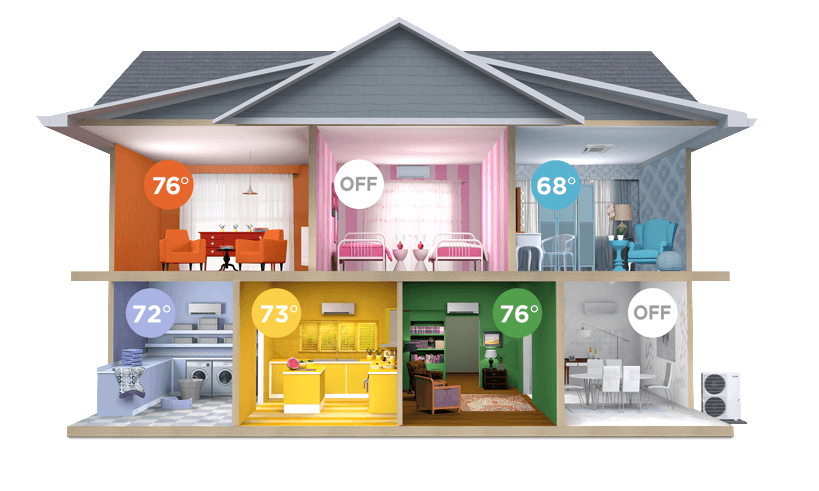
  • Zoned HVAC: Each unit operates independently, allowing you to control temperatures room-by-room.
  • No Ductwork Required: Perfect for older homes, additions, garages, or bonus rooms. Ductless mini splits are a great supplemental option for homes with perfectly working cooling systems, but need to provide some comfort for that addition! 

Cons:

  • Expensive To Install: Initial costs can be higher, but rebates and incentives are often available to reduce the investment.


Window Air Conditioning Systems

Window AC units are a simple and affordable option for cooling individual rooms. Almost everyone has seen one or used one at some point, and you probably already know some of the pros and cons. They are simple, cheap, and easy, but there is usually a reason for that. 

Pros:

  • Immediate Cooling: Quick and easy way to cool a space.
  • Cheap To Install: Lower upfront cost compared to whole-home systems.
  • No Ductwork Needed: Ideal for small spaces or temporary solutions.

Cons:

  • Very Noisy: Can be disruptive, especially in bedrooms or living areas.
  • Energy Wasters: Often lead to higher energy bills due to lower efficiency.
  • Take Up A Window: Blocks natural light and outdoor views.
  • Uneven Cooling: Typically only cools one area and struggles to distribute air evenly.

Choosing The Right AC System For Your Home

Each type of air conditioning system has its place, and the best option depends on your home, budget, and comfort goals. In most cases, we like to suggest the heat pump or ductless mini split system. These are going to provide year round comfort, and operate the most efficiently, leading to lower energy bills. 

  • Looking for maximum efficiency and year-round comfort? A heat pump or ductless system may be your best bet.
  • Have existing ductwork and want a straightforward solution? Central AC or a heat pump could be a great fit.
  • Need a quick, low-cost fix? A window unit can help in the short term. We don’t recommend this as a long term solution. 
  • Need HVAC for an addition, garage, or sunroom? We recommend a ductless mini split. No ductwork is needed and they can provide year round heating and cooling. 

At Complete Comfort, we take the time to evaluate your home and recommend the best solution for your needs, not just the most expensive one.

Get Expert Help From Complete Comfort

If you’re considering upgrading your air conditioning system in Southwest Virginia, like the Abingdon or Merion area, or Northeastern Tennessee, our team is here to help!

We’ll walk you through your options, explain available rebates, and install a system designed for comfort, efficiency, and long-term savings.

Call Complete Comfort at (276) 690-9222, or contact us online to schedule your estimate today

Let’s make sure your home stays cool and comfortable all summer long.

What To Know When Shopping For A Generator In 2026

What To Know When Shopping For A Generator In 2026

What To Know When Shopping For A Generator In 2026In the past few years, generators have become very popular in our area of Virginia and Tennessee. During major storms, losing power means more than just the lights going out. It means losing your heating/cooling system, wifi, television, refrigerator, charging capabilities, etc. We depend on electricity for so much, and when we get the kind of storms that can knock the power out for days, it can become a big problem. 

We’ve been working in the area since 2011, installing generators for homes and businesses, and we know the process inside and out. In this article, we’ll take you through the steps of purchasing and installing a generator from Complete Comfort. If you happen to have any questions about installing a generator for your space, please contact us at (276) 690-9222, or reach out to us online. Our experts are happy to help you out!

What Do You Want To Power? 

The first thing you want to consider is what do you want to use the generator to power. If you want a generator to take to barbeques and outdoor events, you are likely looking for a gas powered, portable generator. In this article, we are going to focus on whole home standby generators. If you are seeking a generator that will keep your home’s power up and running during an outage, a standby generator is your best option. 


What Size Generator Do You Need? 

Now that you’ve thought about what you want to power, you are going to have to dive a little deeper. For example, if you wanted to power your entire home and all of your appliances, you’d need to calculate the wattage used to power each one, and add them up to see how much electricity you need to keep the space powered. 

Now, rather than going around to every appliance in the house and seeing what each one requires in the ways of electricity, you can use a wattage worksheet or a calculator. What’s even easier, you can schedule a free estimate and have a professional evaluate your home, then recommend the right sized generator for your needs. 

We’ve installed thousands of generators in our 15 years in business, and have a pretty good idea of what needs to be done to keep a home powered. We can help you evaluate your situation, then choose the RIGHT generator that is going to keep your home powered during an outage. 

Automatic Transfer Switch 

For some generators, you may need a transfer switch that you slip to go from your home’s power gird, to using the generator. But, for most whole home (standby) generators, there is an automatic transfer switch installed to take you from your utility power to generator power seamlessly when an outage occurs. This is one of the biggest advantages of a standby generator. You don’t have to go outside in bad weather, flip switches, or manually start anything. The system constantly monitors your home’s electrical supply, and the moment it detects an interruption, it automatically kicks on and restores power within seconds. When utility power returns, the system safely switches everything back and shuts the generator down.

Fuel Type Considerations

Another important factor to think about is what type of fuel your generator will use. Most whole home standby generators run on either natural gas or propane. Natural gas is often the most convenient option if your home is already connected to a gas line, as it provides a continuous fuel supply without needing refills. Propane, on the other hand, is a great alternative for homes without natural gas access, though it does require a storage tank and occasional refueling.

Each fuel type has its pros and cons, and the best choice often depends on your home’s setup, availability of fuel in your area, and personal preference. During your estimate, our team can walk you through these options and help you decide what makes the most sense for your situation.

Installation Process

Installing a standby generator is not a DIY project. It involves electrical work, fuel connections, and compliance with local codes and regulations. When you work with Complete Comfort, we handle the entire process from start to finish. That includes evaluating your property, helping you choose the right generator, securing any necessary permits, preparing the installation site, and completing all electrical and fuel connections.

We also make sure your system is tested thoroughly before we consider the job complete. Our goal is to ensure that when the next outage happens, your generator performs exactly as expected without any surprises.

Maintenance and Service

Like any major piece of equipment, your generator requires regular maintenance to stay in top working condition. Routine service typically includes oil changes, filter replacements, battery checks, and system inspections. Staying on top of maintenance not only extends the life of your generator, but also ensures it will work when you need it most.

We offer maintenance plans to make this easy and stress-free. Our technicians will keep track of your service schedule and make sure your system is always ready to go, especially before storm season hits.

Why Work With Complete Comfort

Choosing the right generator is only part of the solution to power outages. Working with an experienced, reliable team makes all the difference. With over 15 years of experience serving Chilhowie and the surrounding areas(including parts of Tennessee!), we understand the unique challenges that local homeowners face when it comes to power outages.

We pride ourselves on honest recommendations, quality installations, and dependable service. From your first call to the final walkthrough, our team is here to make the process simple and straightforward.

If you’re considering a generator for your home or business, now is the perfect time to get it installed. Give Complete Comfort a call at (276) 690-9222 or reach out to us online to schedule your free estimate. We’ll help you find the right backup power solution so you’re never left in the dark.

Upgrade Your Cooling Using Ductless Mini Splits

Upgrade Your Cooling Using Ductless Mini Splits

Upgrade Your Cooling Using Ductless Mini SplitsSummers in Southwest Virginia come along with some serious heat, and keeping your home cool and comfortable becomes a top priority. If your current air conditioning system struggles to keep up, or if you have rooms that never seem to cool down, it may be time to consider an upgrade.

One of the most efficient ways to improve your home comfort is with a ductless mini split system. At Complete Comfort, we’ve been helping homeowners in Chilhowie, Abingdon, Marion, and surrounding areas upgrade their cooling systems since 2011.One of our favorite, and the most effective upgrades we provide is a ductless mini split. 

In this article, we’re going to go over some of the benefits of ductless mini splits, and some of the reasons you may want to install one in your home. If you’re interested in upgrading your cooling system, give us a call at (276) 690-9222 or contact us online to get started!

What Is A Ductless Mini Split?

A ductless mini split is a heating and cooling system that functions as a heat pump, but does not use traditional ductwork to deliver air. Instead, it consists of:

  • An outdoor condenser unit
  • One or more indoor air handlers
  • A small conduit connecting the system (A small bit of tubing and lineset)

These systems use a heat transfer process, and are able to provide energy efficient heating and cooling. The flexibility of not needing ductwork, and essentially being able to place these anywhere you want throughout the house, has made them a very popular HVAC option for many homeowners and businesses alike. 

Why Upgrade To A Ductless Mini Split?

There are several reasons why homeowners in Southwest Virginia are choosing ductless systems over traditional central air. In some cases you may want a completely new HVAC system. In others, you may want a supplement to a current system. Maybe you just want to improve your energy efficiency and lower energy bills. Whatever the case may be, we can help you out with your ductless upgrade. 

Here are some of the benefits to installing a ductless mini split system. 

Improved Energy Efficiency

Ductless mini splits are known for their high efficiency. Traditional ducted systems can lose energy through leaks and poor insulation in ductwork. With a ductless system, that energy loss is eliminated.

As I’ve said already, ductless mini splits work as heat pumps, and use an energy transfer process. They pull warm air out of the air outside and pump it in during the winter, then in the summer warm air from the inside is pumped outside, and the cool air is dispersed throughout the home. This process is much more efficient and environmentally friendly than traditional heating and cooling systems. 

Many ductless systems also use inverter technology, which allows them to adjust output based on demand instead of constantly turning on and off. A traditional HVAC system would turn off and on, with no “low and slow” settings that would allow the system to maintain the temperature without any big fluctuations. This lower setting leads to lower energy consumption, and lower utility bills! 

Perfect For Hard-To-Cool Areas

Mini splits have been used to fix problem rooms that are hard to cool. There are particular rooms like sunrooms and additions, or bedrooms that always seem to stay too warm. Instead of using a window AC unit that takes up space, is VERY noisy, and sucks up energy, a mini split is perfect. 

Ductless mini splits are ideal for:

  • Bedrooms
  • Bonus rooms
  • Finished basements
  • Garages
  • Additions

If you have an air conditioner that is working just fine around most of the house, but can’t seem to get every space comfortable, a mini split may be exactly what you need to fix the situation. 

No Ductwork Needed

One of the main reasons that it’s so easy to add a ductless mini split to any space is because they don’t need any ductwork to deliver air throughout the house. When you need to install ductwork, it becomes messy and invasive, often requiring you to get into the walls. Instead these systems can be added with a little bit of tubing, and they are set to work. 

This makes them a great solution for:

  • Older homes without ducts
  • Home additions
  • Renovation projects

Because there’s no ductwork required, the installation process is usually pretty straightforward, and doesn’t take as long as a traditional system to install. 

Quiet Operation

One of the complaints we hear the most about window AC units is that they are noisy. That has traditionally been the solution for supplemental cooling, using a window AC unit to keep a space cool. 

A ductless mini split is whisper quiet, often making sounds no greater than the equivalent of leaves rustling. This is why they have become so popular in offices, bedrooms, restaurants and more. If you are looking for a cooling and heating solution that doesn’t make a  bunch on noise when it’s running, mini split are the answer! 

Zoned Comfort Control

One of the biggest advantages of ductless systems is zoning. Zoning is when you split your home into separate zones of heating and cooling, allowing them to operate independently. This means you can: 

  • Set different temperatures in different rooms
  • Avoid cooling unused spaces
  • Customize comfort for each member of your household

This will help you save energy, customize comfort, and keep everyone in the home happy! It’s also going to help extend the life of your units, as they won’t be used unnecessarily. 

Can Ductless Mini Splits Provide Heating Too?

Yes! One of the biggest advantages of ductless systems is that they provide both heating and cooling. Instead of finding two different solutions for summer and winter, these systems can do it all. This is another reason why we recommend these over space heaters or window AC units. 

This is also perfect for shoulder seasons like fall and spring when you have certain days that could use a little heating, and others that could use a small bit of AC. Most people avoid turning on their main AC or heating system until they need it for good, which is why these mini splits can be used during the “off seasons” to keep you comfortable, even if you only need a slight bit of heating/cooling! 

Is A Ductless Mini Split Right For Your Home?

It’s rare that we see a space now where ductless isn’t a good fit. But, there are reasons that may better warrant a ductless mini split being added: 

  • You have hot or cold spots in your home
  • You’re installing an addition to your home
  • Your current system is aging or inefficient
  • You want better control over your comfort
  • You’re looking to reduce your energy bills

At Complete Comfort, we can evaluate your home and help you determine if a ductless system is the right solution for your needs. We can also help you design the right ductless system for your space! 

Upgrade Your Cooling With Complete Comfort

If you’re ready to improve your comfort and energy efficiency, a ductless mini split system could be the perfect upgrade.

At Complete Comfort, we specialize in installing high-quality ductless systems for homeowners in Chilhowie and throughout Southwest Virginia. Our team will guide you through the entire process, from system selection to expert installation.

Give us a call today at (276) 690-9222 or contact us online to schedule a consultation. Let’s upgrade your cooling and make your home more comfortable than ever!
End Of Winter Checklist For Virginia Homeowners (2026) 

End Of Winter Checklist For Virginia Homeowners (2026) 

End Of Winter Checklist For Virginia Homeowners (2026)Spring is on the way, and now that we are starting to see some warm weather here and there, it’s about time to get your home ready for the next season. There are some tasks you can perform yourself, and some you can hire a professional for, that will make your home more comfortable and safe in the Spring and Summer. 

Complete Comfort is an HVAC company that specializes in heating, air conditioning, and backup power as well. We have been working in Southwest Virginia since 2011, and have been helping homeowners prepare for any weather, in any season. Some of these tasks in this article are meant to help your home comfort, while others are going to help you save money. 

If you need some immediate help with your HVAC system or generator, give us a call at (276) 690-9222, or contact us online. Our team can answer any questions you may have, and schedule an appointment for your home. 

DIY End Of Winter Tasks

First, we’ll go over some DIY (do-it-yourself) tasks you can complete on your own. Now, if you feel unsure about some of these, either watch a YouTube video or hire a professional to give you a hand. 

Change Your Air Filter

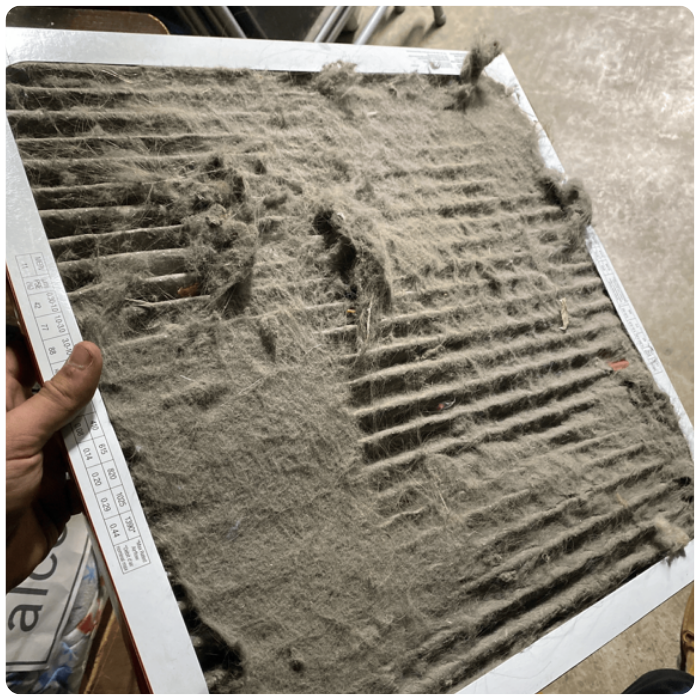
Your Filter Can Become Clogged And ProblematicYour HVAC system has likely been working hard all winter long. A dirty air filter can restrict airflow, lower efficiency, and make your system work harder than it should. Changing it is as simple as removing the old filter, and replacing it with a fresh one. 
If you are wondering how to change your air filter, you can consult your HVAC system’s manual, watch a video on YouTube, or ask your technician during a routine maintenance. You can also read this article: How To Change You Air Filter

Most homes should change their air filter every 1-3 months, depending on pets, allergies, and usage. Heading into spring with a fresh filter will keep the air fresh, and help your AC system run smoothly once it’s needed. 

Clean Gutters

Winter storms, wind, and fallen debris can clog your gutters. When spring rains arrive, clogged gutters can cause:

  • Water damage to siding
  • Foundation issues
  • Basement moisture problems
  • Landscape erosion

Take the time to remove leaves and debris, and ensure downspouts are directing water away from your home. This may seem like a simple cliche task, but there’s a reason that it’s important. This can prevent major water damage, and help your home stay dry! 

Bonus Tip: Make sure no sticks or debris are in your outdoor HVAC condenser. You can have these cleaned out during a routine maintenance, but this is something you can manage on your own as well! 

Seal Windows And Doors

Cold winter temperatures can cause small gaps around windows and doors to expand. Even tiny cracks allow air to escape, making your HVAC system work harder. Go around the house and check your windows and doors. Here are some things you should look out for: 

  • Cracked caulking
  • Worn weather stripping
  • Drafts around frames

Sealing these gaps helps maintain comfortable indoor temperatures and improves energy efficiency as we head into warmer weather. 

Swapping Storage Items

As winter wraps up, it’s time to store snow shovels, winter hats and gloves, and bring out your spring and summer essentials. Check your outdoor furniture that’s been stored all winter and make sure it’s clean and ready for the warm weather. Bring out your spring/summer clothing and stow away those winter jackets. 

Change Ceiling Fans

Many homeowners forget this simple trick: reverse your ceiling fan direction.

  • In winter, fans typically rotate clockwise to push warm air down.
  • In spring and summer, they should rotate counterclockwise to create a cooling breeze.

This is a small adjustment, but one that improves home comfort while also taking some of the strain off of your heating and cooling systems. 

Professional End Of Winter Tasks

Some tasks are best left to trained professionals. These services can prevent breakdowns, improve safety, and save you money long term.

Schedule HVAC Service

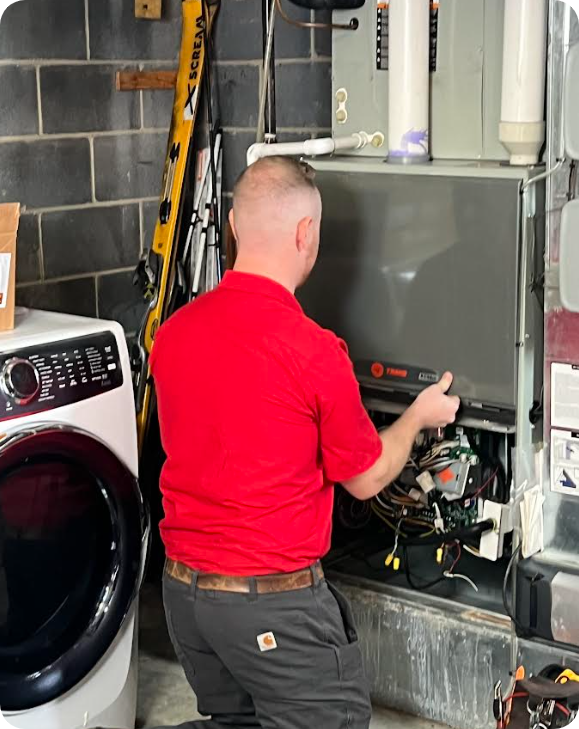
We Work With All Different HVAC SystemsThe number one thing we recommend you do to get the most out of your HVAC system is to schedule routine maintenance. Spring is the perfect time to schedule air conditioning maintenance before the heat makes its way in.

Routine HVAC service will: 

  • Improve energy efficiency
  • Extend your system’s lifespan
  • Ensure safe operation 
  • Lower energy bills 
  • Validate your HVAC system’s warranty 
  • Help avoid breakdowns and repairs being needed 
  • Improve your comfort

In Southwest Virginia, summers can get hot and humid quickly. Scheduling service before the summer helps prepare you for the heat, rather than reacting to a broken system during the middle of the season. We recommend you have your HVAC system serviced at least once a year, preferably before the summer/winter. 

Repair Any Cracks In Your Siding Or Walkways

Winter freeze-and-thaw cycles can cause cracks in siding, sidewalks, and driveways. While small cracks may seem harmless, they can worsen quickly.

If you are handy, this may be something that you can take care of on your own. Otherwise, call in a professional contractor to give you a hand. If you let small cracks get out of control, they can get worse and cause major damage to your property. 

Add Insulation To Your Home

If parts of your home feel drafty or uneven in temperature, you may benefit from additional insulation. When your home is properly insulated, it will: 

  • Keeps cool air inside during summer
  • Keeps warm air inside your home during winter
  • Reduces strain on your HVAC system
  • Lowers energy bills
  • Improves overall comfort

Many homeowners in older Southwest Virginia homes are surprised by how much comfort improves after upgrading attic insulation. Even though this may be an initial investment, it’s going to help you save money in the long run. 

Over the course of a year, using your HVAC systems, if there is poor insulation, air is leaking. This causes these systems to work harder and use unnecessary energy to keep the space cool or warm. This reduction in energy consumption leads to lower energy bills, and a longer lifespan for your HVAC system! 

Get Ready For Spring With Complete Comfort

We hope this article helps you get ready for the warm weather that’s just around the corner. Performing these tasks now can prevent expensive repairs later and make your home a more comfortable place to live. 

At Complete Comfort, we specialize in HVAC systems, generators, and home comfort solutions for homeowners throughout Southwest Virginia. Whether you need seasonal maintenance, repairs, or are considering upgrading your system, our team is ready to help.

Call us today at (276) 690-9222 or contact us online to schedule your spring service appointment. Let’s make sure your home is ready for everything 2026 has in store.

What Is Zoned Heating And Cooling?

What Is Zoned Heating And Cooling?

What Is Zoned Heating And Cooling?If you live in Chilhowie, VA or anywhere in Southwest Virginia, you know how unpredictable our weather can be. Cold fall mornings, warm afternoons, humid summers, and everything in between. Keeping your home comfortable year-round can feel like a constant battle—especially if some rooms are always too hot or too cold.

That’s where zoned heating and cooling comes in.

Zoned HVAC (also called HVAC zoning) is a heating and cooling system that divides your home into separate areas, or “zones,” each controlled independently. Instead of one thermostat controlling the entire house, each zone has its own thermostat and can be set to a different temperature.

We have been working in Chilhowie and in the surrounding neighborhoods in Southwest Virginia and Northeastern Tennessee since 2011. We know that each home is unique, and we’ve also seen a rise in popularity of zoning an HVAC system in homes for this reason. In this article, we’ll tell you in depth what zoning is, the advantages of zoning your heating and cooling, and how you can make it happen for your home.

If you want to speak to an expert about zoning for your home now, give us a call at (276) 690-9222, or contact us online. Our experts can answer any questions you may have, and set you up with a zoning consultation! 

What Are The Advantages Of Zoned HVAC?

Zoned HVAC systems offer several major benefits, especially in multi-story homes, larger homes, or houses with additions, finished basements, or bonus rooms. In homes like these, there are usually rooms or spaces that aren’t being used much of the time, and with a traditional HVAC system, they are still treated the same as the rest of the house. That’s a waste of energy. 

Here are some of the biggest advantages to zoning your heating and cooling: :

  • Personalized comfort from zone to zone
  • Reduces energy waste not treating unused rooms 
  • Extends system lifespan due to not overusing the units

Let’s break down the most important benefits.

Energy Efficiency

One of the biggest advantages of zoned HVAC is improved energy efficiency.

With a traditional system, your furnace or heat pump runs to satisfy a single thermostat, often located in the middle of the home, a living room normally. That means it heats or cools the entire home, even if you’re only using part of it. Bedrooms, basements, and any other unused room is consuming energy by being unnecessarily heated or cooled. 

With zoning:

  • You only heat or cool the areas you’re using.
  • Unoccupied rooms can be set back.
  • Your system doesn’t have to work as hard to maintain comfort.

In Southwest Virginia, where we run our heating and air conditioning systems for a good portion of the year, this can make a big difference in monthly energy bills. Imagine you are using 30% less energy over the course of the year. In theory, you will be spending 30% less than you would have on energy bills with a traditional HVAC system. 

Another benefit is a longer system lifespan because you aren’t running it constantly, even when it isn’t needed. This leads to less wear and tear, and a longer lifespan! 

Personalized Comfort

One of the never ending battles in lots of homes is the fight over the thermostat. One person likes it at 68 degrees when another wants it at 72. Some people like it cold at night while others like it warm. 

Zoned HVAC allows each area of your home to be customized to your preference. 

Instead of constant thermostat battles, everyone can be comfortable in their own space. One person can have their bedroom set at 73 for a toasty warm environment, while another can sit in the living room at 67 degrees and stay nice and cool. Then the unused office room can stay off since no one is using it, saving energy. 

This is helpful in homes with large ceilings, lots of windows, and specifically rooms with different heating and cooling capabilities. Some rooms may NEED to be treated differently than others simply because of design. 

If you want more control over your home comfort while saving energy at the same time, zoned HVAC may be what you are looking for. 

How Can I Zone My Heating And Cooling?

There are several ways to zone your home, depending on your current setup and goals. You can install a completely new system, or you can adjust your current HVAC system if applicable. 

1. Install a Zoned Duct System

If you have a central heating and cooling system with ductwork, zoning can be added using:

  • Multiple thermostats
  • Motorized dampers installed in the ductwork
  • A zoning control panel

The dampers open and close based on thermostat signals, directing airflow only where it’s needed. Think of it as a valve system in your ductwork that allows you to adjust the amount of heating and cooling you want to bring to certain spots of the home. 

This option works well for homes that already have ductwork and want better control without installing separate systems. 

2. Install Ductless Mini-Splits

Another option is installing ductless mini-split systems. This is one of the best and simplest ways to install zoning into your home. 

Ductless mini split systems are naturally zoned. Each indoor unit acts as its own zone, with individual temperature control. This is ideal for:

  • Room additions (sunrooms especially)
  • Finished basements
  • Garages
  • Older homes without ductwork
  • Areas that are consistently uncomfortable

Schedule A Mini Split Consultation

Ductless systems are extremely efficient and offer excellent zone control. These can be used as a whole home solution, or they can be added to a current HVAC system and used as a supplement. These systems can provide both heating and cooling, making them a perfect year round HVAC solution. 

Should I Zone The Heating And Cooling In My Home?

Zoning isn’t necessary for every home—but it can be a game-changer for many. For smaller homes, zoning may not be necessary, but it’s always worth asking during an HVAC consultation. For homes that are larger or have been running up higher than normal energy bills, zoning may be a perfect option. 

Here are some situations that may indicate you are a good candidate for zoned heating and cooling: 

  • You have a two-story home with uneven temperatures
  • You have rooms that are rarely used
  • You recently added onto your home
  • You struggle with hot and cold spots
  • Your energy bills feel higher than they should
  • Different family members prefer different temperatures

In Chilhowie and surrounding areas like Abingdon or Bristol, many homes have unique layouts or older ductwork that wasn’t designed with modern comfort in mind. Zoning can solve issues that homeowners have been dealing with for years.

The best way to know for sure? Have a professional evaluate your system. Give Complete Comfort a call at (276) 690-9222, or contact us online. We can answer any questions you have and get you scheduled for a free consultation. 

Let Complete Comfort Help You Take Control Of Your Comfort

At Complete Comfort, we’ve been serving homeowners throughout Chilhowie, VA and the surrounding Southwest Virginia communities for years. We understand the climate, the homes, and the comfort challenges unique to our area. 

If you’re tired of uneven temperatures, high energy bills, or constant thermostat adjustments, zoned HVAC may be the solution. We also specialize in generators, ensuring you have backup power just in case we have bad weather and the power goes out! 

Call Complete Comfort today at (276) 690-9222 or contact us online to schedule a consultation. We’ll help you determine whether zoning is right for your home, and design a system that keeps every room comfortable year-round! 

Heat Pump VS A Furnace For Heating Your Home

Heat Pump VS A Furnace For Heating Your Home

Heat Pump VS A Furnace For Heating Your Home

In our area of Southwest Virginia, heating systems are an integral part of the home. They keep your home warm and comfortable, and also have a direct impact on your energy bills for half of the year. Deciding what kind of HVAC system you are going to choose to heat your home is important. In our area, heat pumps and furnaces are two of the most popular heating systems for home and businesses. 

We’ve been working in the area for 15+ years, installing furnaces and heat pumps alike. We know not every home is the same, and each one has its own unique needs. In this article, we’re going to talk about the difference between using a furnace to heat your home and a heat pump. 

If you think your home is due for a comfort upgrade, be it heating or cooling, give us a call at (276) 690-9222, or contact us online. Our experts would be happy to help you out with your home comfort needs! 

How A Heat Pump Works VS How A Furnace Works

As we said, in our area of Virginia, both heat pumps and furnaces are both very popular. They are both reliable systems that can keep a home comfortable in our climate. It gets cold here, but it’s not the arctic, and both systems are suited to handle the cold we experience. 

Here is how each system works: 

How A Furnace Works

A furnace generates heat by burning fuel (most commonly natural gas or propane) or by using electricity. More commonly, we see fuel burning furnaces. Once heat is created, a blower fan pushes that warm air through your ductwork and into each room of your home. We have a lot of gas and oil burning furnaces in our area of Virginia and Tennessee. 

Key points about furnaces:

  • Produce heat directly
  • Typically run on natural gas, propane, oil, or electricity
  • Can deliver very hot air quickly

Furnaces are especially effective during very cold weather because their heat output does not depend on outdoor temperatures, like a heat pump does. These systems generate their own heat, which can be a benefit, and also a drawback in some cases. More on that later. Still, this ability to generate heat independently makes for quick, dependable heating. 

Schedule A Free HVAC Consultation

How A Heat Pump Works 

A heat pump works differently than a furnace. Instead of creating heat, a heat pump moves heat. Even when it’s cold outside, there is still heat energy in the air. A heat pump pulls that heat from outside and transfers it indoors. In the summer, the process reverses, allowing the system to cool your home.

Key points about heat pumps:

  • Transfer heat instead of generating it
  • Run primarily on electricity
  • Provide both heating and cooling
  • Extremely energy efficient in mild to moderate climates

Modern cold-climate heat pumps are well-suited for Southwest Virginia and can operate efficiently even when outdoor temperatures drop into the teens. In the past, heat pumps had a hard time handling frigid temperatures, and wouldn’t be able to produce enough heat to keep certain climates comfortable. Today, the advanced heat pump technology accommodates weather like the kind we see here in Virginia and Tennessee. 

The Benefits Of A Furnace 

Furnaces have been a trusted heating solution for decades, and for good reason. The fact that these systems don’t depend on sourcing heat from the cold outside gives them a quicker ability to heat, and when the temps really drop, this dependable heating may be a comfort compared to heat pumps. 

Benefits include:

  • Strong, consistent heat during cold snaps
  • Long lifespan with proper maintenance
  • Ideal for homes with natural gas access
  • Familiar technology many homeowners are comfortable with

If you want powerful heat that feels warm right away—especially during the coldest winter nights—a furnace can be a great choice.

Drawbacks Of A Furnace

A furnace is dependable, but not always perfect. Here are some of the cons to using a furnace: 

  • Produces dangerous harmful gases 
  • Can only heat, not cool 
  • Depend on gas/oil prices for your heating bills
  • Less environmentally friendly
  • Not normally as energy efficient as a heat pump

Benefits Of A Heat Pump

Heat pumps have become increasingly popular as technology has improved and energy costs have changed. In fact, many energy providers, heat pump manufacturers, and even government programs will provide financial incentives when you install a heat pump for your home. 

Benefits include:

  • Lower monthly energy costs for many homes
  • One system for heating and cooling
  • High efficiency and lower environmental impact
  • Eligible for utility rebates and federal tax credits
  • Great option for homes without gas service
  • Ductless heat pumps great for homes with no ductwork

For homeowners looking to reduce energy usage and future-proof their home, heat pumps are often an excellent investment. These systems are environmentally friendly, and energy efficient. They’ve become the preferred choice to install for our team here at Complete Comfort in the past 5 years. 

Read More: Replacing A Heat Pump In Damascus, VA

Which System Is Best For Your Home?

Every home is unique, and not every system may be perfect for every home. The best heating system depends on several factors:

  • Your home’s size and insulation
  • Whether natural gas is available
  • Your comfort preferences
  • Energy costs in your area
  • Budget and long-term goals

In many cases, we recommend a heat pump. The energy savings and flexibility to provide both heating and cooling are huge benefits that most of our customers prefer. We also install dual-fuel systems, which pair a heat pump with a furnace—giving you efficiency during mild weather and powerful heat when temperatures drop.

We’ve been serving Southwest Virginia for over 15 years, and we are starting to work in Northeastern Tennessee as well. We know that no two homes are the same, and make sure that our customers are taken care of individually. If you’re considering upgrading your heating system or replacing an older unit, we’d be happy to help you explore your options.

Call us at (276) 690-9222 or contact us online to schedule a consultation. Our comfort experts will help you choose the system that’s right for your home! 

Does A Generator Need To Be Serviced?

Does A Generator Need To Be Serviced?

Does A Generator Need To Be Serviced?The short answer is yes, a generator does need to be serviced, preferably once a year. If you have a whole-home generator, it sits outside and remains dormant most of the time. Every now and then, it will kick on if the power goes out, but for the most part, it’s not used unless it’s needed. For this reason, it can often go overlooked when it comes to scheduling regular maintenance. 

Just like your HVAC system should be serviced once a year, a generator should also be maintained regularly. We have been installing and servicing generators in Southwest Virginia for 15 years, and know the ins and outs of the systems. If you are looking for a reliable, family-owned and operated company that specializes in generators, look no further than Complete Comfort. 

In this article, we’re going to go over why you should have your generator serviced, and when the best time of year to schedule it is. If you have a generator and need service, or you want to see if a generator would be a good addition to your home, give us a call at (276) 690-9222, or contact us online

Why Does A Generator Need Service? 

Most major appliances or machines need some sort of service. Your car needs service every so many miles. Your HVAC system needs services once a year. It’s not uncommon for these more complex systems to need a professional service every now and then. Your generator is in that same category. 

The difference between some of these other systems that need service and a generator is the amount of usage. With a car or a heating/cooling system, they are going to be used very frequently and can experience normal wear and tear. A generator, on the other hand, isn’t used as often. It doesn’t go through the same rigors that these other systems do. 

BUT, the infrequent use of this system is one of the reasons why you will want to check on it before you put it to use. Ensuring that the system is working properly when you need it is crucial. The last thing you want to go through is a power outage, and the generator that hasn’t been checked on in a year doesn’t work. 

Now, there are some tasks you can perform on your own to keep the generator maintained without having to call in a professional. Generac has a few lists in this article that go over some of the key steps you can take to DIY generator maintenance. 


Cleaning Around Your Generator

One step to generator maintenance is cleaning around the unit. If there are bushes growing around it or branches from a tree falling into it, make sure that there is ample space for airflow. If the generator is running, dirt and debris, bushes, leaves, etc. can disrupt how well the unit is running. 

Inspect For Fuel Or Oil Leaks

Before you use your generator, make sure it’s not leaking. Check the connections and make sure there is no oil or fuel leaking out. This could cause performance issues, and also be a dangerous hazard. If you notice a leak, call a professional to fix it before you use your generator. 

Read More: Installing A Generator In Abingdon, VA

Change Oil And Filters Once A Year

Your oil and filters should be changed out at least once a year. If you are handy and know how to do it, you may be able to perform this on your own. We recommend letting a professional handle this situation. We perform these tasks every week here at Complete Comfort, and we know our way around these generators. It’s a simple task for us that we are happy to do! 

Check Electrical Connections, Fuel Levels, Spark Plugs, And Sediment Trap

These are a few more tasks for the pros to take care of. Not all of these have to be done every year, either. In fact, Generac recommends checking the spark plugs and sediment trap once every 4 years, or after 400 hours of use. 

If you schedule routine yearly maintenance, all of these things will be checked regularly, and when the time comes to use your generator, the system will be ready! 

When Is The Best Time Of Year For Generator Service? 

Before storm season is typically the best time of year for generator service. This could mean a few different times of year. The fall, before winter snow is upon us, is a good time to schedule generator maintenance. Another time would be in the early summer, before hurricane season starts up. You are going to want your generator to be ready for these very snowy/rainy seasons, because that’s usually when you lose power. Make sure your system is ready for the bad weather! 

Schedule A Free Generator Consultation

Generator Service In Southwest Virginia 

If you have a generator and live in Southwest Virginia, Complete Comfort can help you out with routine maintenance, generator repairs, or a generator installation. We have been working with generators since we opened in 2011, and know how important they are for homes in our area. Give us a call at (276) 690-9222, or contact us right here on our website. We look forward to helping you out! 

Ways To Fix A Cold Room In Your Home

Ways To Fix A Cold Room In Your Home

Ways To Fix A Cold Room In Your HomeDuring the coldest months of the year, like we are experiencing right now, there can be challenges keeping every space in a home comfortable. Maybe it’s a single space, or an entire floor in your home. For homes and businesses in our area of Smyth County, Abingdon, Bristol, etc., we can see some brutal weather. It’s not unusual to have a room or a space that never seems to stay comfortable. 

I’ve been working in the area since 2011, installing HVAC equipment and making sure that our customers are comfortable no matter what the weather is like. In that time, we’ve helped solve all sorts of comfort problems. From a bedroom that never stays warm, to a living room that always holds a chill. The point is, not every home is the same, and even though there are some common reasons a room may be chilly, every situation is unique. 

In this article, we’ll go over some common reasons you may have cold spots in your home, and the best ways to solve them. If your home is chilly and you don’t know why, give us a call at (276) 690-9222, or contact us online. Our experts can diagnose your problem and let you know the best path to solving it!

Most Common Reasons You Have Cold Spots In Your Home

Cold spots aren’t uncommon, especially when it drops to very frigid temperatures. Luckily, there is almost always a solution to fix the space, making it warm and cozy! Here are some of the most common reasons you may have cold spots around your home: 

Poor Airflow

If you have an HVAC system that is keeping your home warm, but there are a few spaces that don’t seem to heat up, poor airflow is usually a culprit. 

Your Filter Can Become Clogged And ProblematicIf you have a vented system like a furnace that uses ductwork, which is most common in our area, then there could be an issue with that heated air getting to every space in the home. With a system like this one, your furnace produces heat, and then it’s pushed through your vents. Most commonly, bedrooms and spaces that are furthest away from the furnace have been the problem areas. 

If you are experiencing poor airflow, there are a few things you can check. First off, put your hands over the grate or vent that is located in the cold room. If you notice there is no air coming out, or very little, it could mean there are problems with your airflow. 

If you suspect airflow issues, check your filter. Sometimes a clogged air filter is the problem, causing air to back up in the system and not being pushed to every space in the home. If you change the filter and there is still no air coming out the way it should, call a professional. They will be able to assess the problem and present you with the solution. You could have leaking or improperly installed ductwork. You may also have issues with the furnace. There could be a problem with the fan, blower motor, or heating elements. 

A professional will be able to help you out, and likely fix the problem! 

Poor Insulation 

Now, suppose you have a cold room, but the air from the furnace seems to be pumping out just fine. You put your hands over the vent in the cold room, and hot air is coming out just fine. Now you know the furnace and ductwork aren’t the issue. In this case, your room may be poorly insulated. 

Suppose you have a room over a garage, or with some old, leaky windows. These are rooms that may have trouble retaining heat. For these rooms, you can seal the windows or even install double-pane windows that do a better job of insulating the room from the weather. You can also talk to a professional about adding some insulation to the room. This could help you keep the space more comfortable, and also save money by not wasting energy heating a room that never stays warm. 

Heating System Issues 

If you have an older heating system, be it a furnace, heat pump, or boiler, it can run into performance problems. As these systems age, they can lose efficiency, and begin to perform worse than when they were first installed. This can manifest in breakdowns, higher energy bills than needed, or cold spots around the house. 

The best way to avoid this issue is to schedule routine maintenance. If your heating system is looked at regularly, inspected, and serviced by a professional, they will be able to keep your system running smoothly and efficiently. It will help you avoid major problems, reduce the likelihood of a breakdown, and improve the quality of the air in your home. 

If the system is serviced and still not making the place comfortable, it may just be time to consider a replacement. Upgrading to a new heating system will improve comfort, reduce energy costs, and give you a new HVAC system for at least a decade, and hopefully more with regular maintenance

How To Fix A Cold Space In Your Home

We’ve already gone over a few ways to fix these cold spots, but we are going to outline a few here once again: 

  • Change your air filter 
  • Schedule routine HVAC maintenance
  • Ensure vents aren’t blocked by furniture 
  • Seal leaks around the windows and doors 
  • Call a professional to check on vents/heating system
  • Add insulation to your walls 

You can also take further steps like adding energy-efficient double-pane windows and doors to your home as well, but those projects can become expensive. 

Adding Supplemental Heating To Your Home

Another solution is to add supplemental heating, be it a space heater or a ductless mini split. We are big fans of ductless mini splits. These units can provide both heating and cooling, and do so quietly and efficiently. We’ve installed hundreds of mini splits over the years, and we understand why people love them so much! 

Supplemental heating is good when you don’t want to replace your heating system, but you want to take care of this problem area without stressing your current HVAC system too hard. 

Space Heaters VS. Ductless Mini Splits

Fixing Heating Problems In Your Southwest VA Home

If you are experiencing heating problems in your home, give us a call at (276) 690-9222, or contact us online. One of our comfort specialists will be able to take a look at your home, and let you know the best solution to making your space comfortable. Stay warm and have a great day! 

Resolutions To Improve Your Home In 2026 

Resolutions To Improve Your Home In 2026 

Resolutions To Improve Your Home In 2026 It’s officially 2026, and now is the time of year when people make resolutions to improve themselves and their lives. This is usually some sort of plan to start working out more and dieting. It could also be finding a new career path, or completing a long-standing project. Well here at Complete Comfort, we specialize in home comfort, home power, and indoor air quality. In this article, we want to focus on some resolutions that will protect and improve your home! 

We’ve been working in Southwest Virginia since 2011, helping homeowners improve comfort, save money, and make their homes an enjoyable place to be. We are family-owned and operated, and know how important it is to keep your family home comfortable. In this article, I’m going to go over a few ways you can improve your home comfort, and some “resolutions” you can make that will keep your space warm in the winter and cool in the summer! 

If you want to speak to an expert today, give us a call at (276) 690-9222, or contact us online! Our experts can answer your questions, and schedule your service or free estimate on a new HVAC system. 

Resolutions To Improve Home Comfort In 2026 And Beyond 

Along with starting that diet and getting back to the gym, here are some resolutions you can make to improve your home comfort in 2026 and beyond. 

Sign Up For A Maintenance Plan For Your HVAC System

You should have your HVAC system serviced at least once a year. If you use a heat pump that works year round, we recommend 2 service visits, one before the summer and one before the winter. Having your HVAC system serviced regularly will help you improve your home comfort, and also save money in the long run. 

When you schedule normal maintenance for your HVAC system, here are some of the benefits that come along with it: 

  • Improved Energy Efficiency – Over time, your HVAC system can deteriorate and lose efficiency. This means it eventually takes more energy to produce the comfort you desire, which puts additional stress on your system, and drives up your energy bills. 
  • Lower Energy Bills – Along with better energy efficiency comes lower energy bills. If you go years without service, it could lead to a gradual rise in energy bills that isn’t necessary, causing you to pay hundreds, even thousands of dollars more than you should for your heating and cooling bills. 
  • Longer System Lifespan – An HVAC system usually lasts between 10-20 years. If you have your system serviced yearly and well taken care of, it’s going to last longer than a system that’s never cared for. 
  • Better Indoor Air Quality – If your system is serviced regularly, that means it’s cleaned and the filter is replaced. This cleaning and maintenance is going to help improve the quality of the air you breathe in your home. This leads to better health, improved odors, and better airflow. 
  • Lower Chance Of Breakdown – During routine service, your system is inspected and cleaned, and each component is looked at. If a technician notices something isn’t looking right, they fix it, or replace it, so that you don’t run into breakdowns when you need your system the most. 
  • Maintains Warranty – Lots of HVAC systems come with a warranty, but to keep it valid you need to have your system serviced regularly. This annual maintenance will keep the warranty up to date! 
  • Ensures Safety – Certain systems like gas or oil furnaces that burn fuel can be dangerous if they aren’t properly cared for. These systems produce dangerous gases like carbon monoxide, that can leak into your home, causing major problems, even death. With a normal inspection, the technician makes sure that these gasses are being properly vented out of the home. 

Why Should You Invest In A Maintenance Plan? 

So now that you know the benefits of normal maintenance, why is it beneficial to invest in a maintenance plan? 

For one, a maintenance agreement will ensure you have your system serviced regularly. A normal service doesn’t cost much, but it’s something that homeowners forget about, and it goes overlooked. Instead of having to remember to schedule maintenance, if you sign up for a maintenance plan, the HVAC company will reach out to you and schedule your maintenance when it’s convenient for you. 

Secondly, a maintenance plan saves you money. Most maintenance agreements come with built in incentives like priority service, discounts on repairs, and other little bells and whistles. This helps offset the cost of the agreement, and ensures your system is taken care of by the same company year after year. 

Install A Standby Generator

Generators Are A Perfect Solution To Keep Your Power OnIn our area of Virginia and Tennessee, we have seen some NASTY weather in the past few years. Installing a standby generator is a great way to ensure your home has power no matter what the weather is like outside. Instead of losing power for days on end, a standby generator kicks right on and supplies your home with electricity. 

When you lose electricity, it’s more than just the lights. We depend on electricity for some much today including: 

  • Lights 
  • TV
  • Internet (WIFI) 
  • Charging Capabilities 
  • HVAC System 
  • Appliances (Washer, Dryer, Dishwasher) 
  • Refrigerator/Freezer

No more worrying about food expiring, the air conditioning working, having something to do without any power, etc. A generator simply flips on when the power goes out, and you are set until the utility company gets the power back on! 

Schedule A Free Generator Consultation

Install An Air Purification System

Want to breathe the cleanest air possible? Changing your air filter and scheduling HVAC service help, but you can also install an air purification system that takes it to the next level. These systems actively clean the air, and rid your home of airborne pollutants like bacteria, mold spores, allergens, pet dander and more. 

Not all of these systems are exactly the same, so you’ll want to speak to an expert and figure out which one fits your home best. That’s where we come in. Give us a call at (276) 690-9222, or contact us online. We can take a look at your home and set you up with the air cleaning system that fits your needs best! 

Install Humidity Controls

Humidity can be a problem in the summer and the winter. If there is too much humidity, it can cause you to feel hot and sticky, it can create breeding grounds for mold and mildew, and it can warp the wood and furniture in your home. If there’s not enough humidity in the winter, it can cause your skin to dry out and crack. It can cause nose bleeds and make it easier to get sick and catch a cold. 

There are a lot of problems that can be caused with humidity issues. Luckily, they can be easily solved by humidity controls. This means humidifiers and dehumidifiers that can plug directly into your HVAC system. These will keep the humidity at the proper levels no matter what the weather is like outside. This is going to improve your comfort, breathing, and help protect the items in your home that would be impacted by humidity. 

Install A Smart Thermostat

Smart thermostats are a great new piece of technology that has improved home comfort and helped homeowners reduce their energy use. These systems are programmable, and learn your patterns. They use data to provide you with the comfort you are looking for, while reducing the amount of energy consumed. They are also accessible from your phone or tablet, making it easier to control the system. Even if you aren’t home, you can hop on your phone and adjust the thermostat, making it nice and cozy for when you arrive. 

Improving Your Comfort In 2026

We hope some of these ideas help you get your home ready for the new year. All of these improvements cost money, but are all aimed at improving your home comfort, and also reducing the amount of money you spend in the long run. 

If you live in Southwest Virginia or Northeastern Tennessee and you’d like to speak to an expert, we can help you out! Give Complete Comfort a call at (276) 690-9222, or contact us online. Our experts are happy to answer any questions, and help you make sure your home is comfortable and energy efficient in 2026! 

How To Change Your HVAC System’s Air Filter

How To Change Your HVAC System’s Air Filter

How To Change Your HVAC System’s Air Filter
Changing your air filter is a simple process, but an important step in making sure the air in your home is clean and the HVAC system is running smoothly. Unfortunately, it’s often a task that goes overlooked or forgotten, and can lead to problems. 

We’ve been replacing filters in HVAC systems for years. Heck, I was even changing the air filter at my home when I was a kid. The point is, it’s a very easy task, but if you’ve never done it before, you may not know how it’s done. In this article, we’ll tell you how to replace an air filter, and why it’s so important! 

If you want to speak to an expert about your HVAC system, call us today at (276) 690-9222, or contact us online. Our experts are happy to help you get your home ready for the next season, whether you need your filter changed, HVAC system serviced, or a brand new upgrade! 

Steps To Change Your Air Filter

Changing the air filter in your HVAC system is an important and easy task, one you should be able to perform on your own. Here are the steps you need to take to change your air filter:

Air Handler Filter Replacement: 

  1. Turn Off Your HVAC System: You don’t want your HVAC system running while there is no filter in place. 
  2. Locate Your Filter: The filter is usually located by the air handler. It may also be behind a grate over your air return. If you have trouble locating the filter, consult your manual. You can also ask your HVAC technician during a routine maintenance. They can show you where it’s located and give you a tutorial on how to change it. 
  3. Remove The Old Filter: You may have to take a small covering or case off first to access your air filter. Once you have the cover off, remove the air filter gently. It’s going to be full of dirt and debris, so you will want to have a trash bag ready to dispose of it right away. 
  4. Insert The New Filter: The new filter should have little arrows showing you which direction it should be inserted. Once you put the new filter in, replace the cover. 
  5. Turn On Your System: Now that the filter is secure and in place, it’s time to turn the system back on. 

Return Vent Grille Filter Replacement:

If you have a return vent that has a filter behind it that needs to be replaced, this is also a simple swap. 

  1. Remove The Grate: Remove the grate that the filter is hidden behind. If this is high up, be careful, and maybe make sure someone is there to assist you if you need to use a ladder. This grate usually has a hook that you pull and unlatch it, rather than needing to unscrew anything. 
  2. Remove The Filter: Have a trash bag handy to throw out the dirty filter. Make sure you wipe away any excess dirt and debris left over, and clean off the grate as well. 
  3. Replace The Filter: You can now place the new filter and secure the grate back on. 

That’s it! It’s a simple task, but one that often goes forgotten. 

As we mentioned above, if you are having trouble replacing your filter, ask your HVAC technician to show you during a routine maintenance. You should have your HVAC system serviced at least once a year, and during this visit, the technician will be able to show you how it’s done. They will show you where the filter is, and how to replace it. 

Why Should You Replace Your Air Filter? 

Your Air Filter Can Become Clogged Like The One HereReplacing your air filter keeps the air in your home clean and also helps promote better airflow. The purpose of your filter is to catch any particles that may be floating in the air. Dust, allergens, bacteria, mold spores, and more are floating around the air, and with a dirty filter, it will fail to prevent them from passing through. 

Over time, if the filter gets clogged, it’s going to create dirtier air, and also prevent your HVAC system from pumping air smoothly through your home. This backed-up airflow may cause different problems: 

  • Your system could short-cycle
  • Your system may stop producing warm/cool air 
  • Your heat exchanger could crack in your furnace
  • Your coil could freeze on your AC
  • Your air will become dirtier and less healthy to breathe 
  • Your system may have to run harder, driving up your energy bills

For such an easy task to take care of, you can see the many benefits of replacing the air filter. 

How Often Should You Replace Your Air Filter? 

We recommend you replace the air filter once every 1-3 months. During the winter and summer, when your HVAC system is running constantly, and the windows are closed more often, you may want to replace it every month or 2. During the spring and fall, when the HVAC system is off and the windows are open, you have more fresh air, and likely only need to replace it once during the season. 

We recommend having a few filters on standby, so you don’t have to worry about going to the store every time you need a new one. 

HVAC Service In Southwest Virginia 

If you need some help replacing your air filter and you are located in Southwest Virginia, give Complete Comfort a call! We can help you replace your air filter and set you up with a complete HVAC service. You can reach us at (276) 690-9222, or contact us online

We’ve been helping homeowners and businesses stay comfortable in Chilhowie, Abingdon, Bristol, and all the surrounding towns since 2011, and we look forward to helping out for years to come. Check out our reviews to see just how happy we make our customers!