Tax Credits Up To $2000 Available On Qualifying Heat Pumps

Heat Pump VS A Furnace For Heating Your Home
Heat Pump VS A Furnace For Heating Your Home

Heat Pump VS A Furnace For Heating Your Home

In our area of Southwest Virginia, heating systems are an integral part of the home. They keep your home warm and comfortable, and also have a direct impact on your energy bills for half of the year. Deciding what kind of HVAC system you are going to choose to heat your home is important. In our area, heat pumps and furnaces are two of the most popular heating systems for home and businesses. 

We’ve been working in the area for 15+ years, installing furnaces and heat pumps alike. We know not every home is the same, and each one has its own unique needs. In this article, we’re going to talk about the difference between using a furnace to heat your home and a heat pump. 

If you think your home is due for a comfort upgrade, be it heating or cooling, give us a call at (276) 690-9222, or contact us online. Our experts would be happy to help you out with your home comfort needs! 

How A Heat Pump Works VS How A Furnace Works

As we said, in our area of Virginia, both heat pumps and furnaces are both very popular. They are both reliable systems that can keep a home comfortable in our climate. It gets cold here, but it’s not the arctic, and both systems are suited to handle the cold we experience. 

Here is how each system works: 

How A Furnace Works

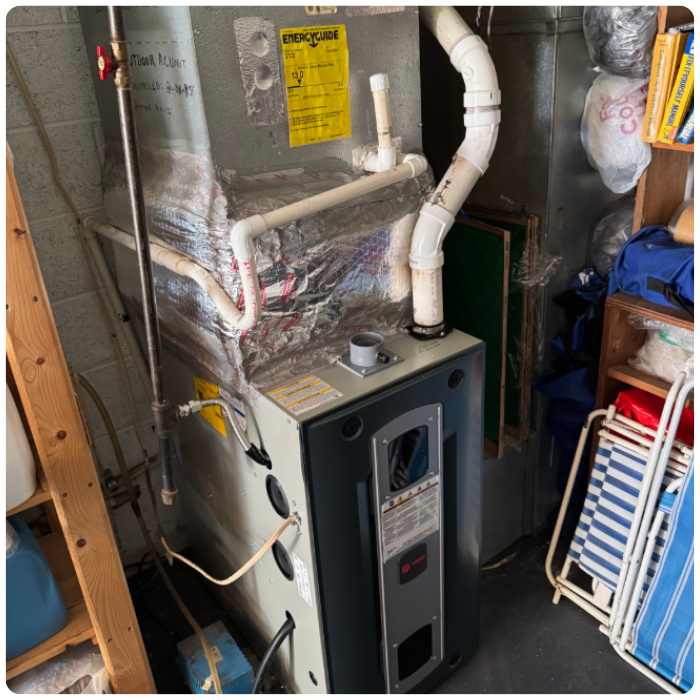
A furnace generates heat by burning fuel (most commonly natural gas or propane) or by using electricity. More commonly, we see fuel burning furnaces. Once heat is created, a blower fan pushes that warm air through your ductwork and into each room of your home. We have a lot of gas and oil burning furnaces in our area of Virginia and Tennessee. 

Key points about furnaces:

  • Produce heat directly
  • Typically run on natural gas, propane, oil, or electricity
  • Can deliver very hot air quickly

Furnaces are especially effective during very cold weather because their heat output does not depend on outdoor temperatures, like a heat pump does. These systems generate their own heat, which can be a benefit, and also a drawback in some cases. More on that later. Still, this ability to generate heat independently makes for quick, dependable heating. 
Schedule A Free HVAC Consultation

How A Heat Pump Works 

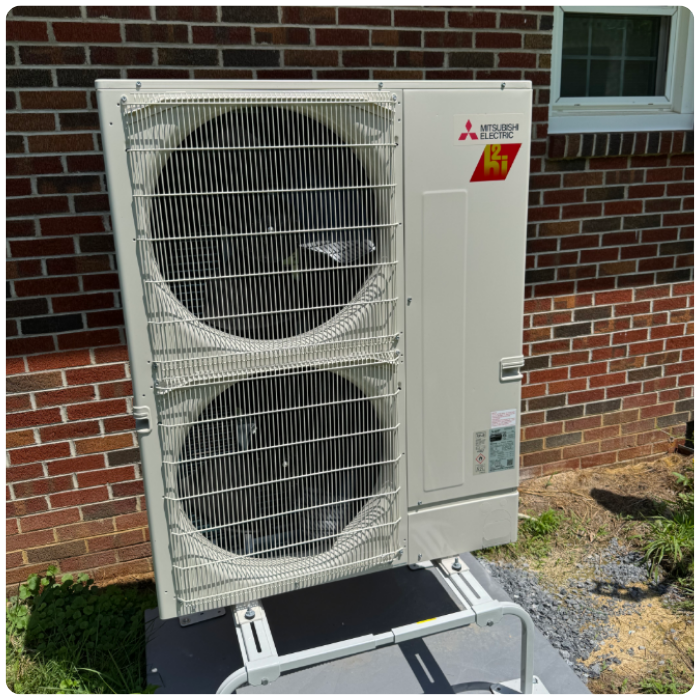
A heat pump works differently than a furnace. Instead of creating heat, a heat pump moves heat. Even when it’s cold outside, there is still heat energy in the air. A heat pump pulls that heat from outside and transfers it indoors. In the summer, the process reverses, allowing the system to cool your home.

Key points about heat pumps:

  • Transfer heat instead of generating it
  • Run primarily on electricity
  • Provide both heating and cooling
  • Extremely energy efficient in mild to moderate climates

Modern cold-climate heat pumps are well-suited for Southwest Virginia and can operate efficiently even when outdoor temperatures drop into the teens. In the past, heat pumps had a hard time handling frigid temperatures, and wouldn’t be able to produce enough heat to keep certain climates comfortable. Today, the advanced heat pump technology accommodates weather like the kind we see here in Virginia and Tennessee. 

The Benefits Of A Furnace 

Furnaces have been a trusted heating solution for decades, and for good reason. The fact that these systems don’t depend on sourcing heat from the cold outside gives them a quicker ability to heat, and when the temps really drop, this dependable heating may be a comfort compared to heat pumps. 

Benefits include:

  • Strong, consistent heat during cold snaps
  • Long lifespan with proper maintenance
  • Ideal for homes with natural gas access
  • Familiar technology many homeowners are comfortable with

If you want powerful heat that feels warm right away—especially during the coldest winter nights—a furnace can be a great choice.

Drawbacks Of A Furnace

A furnace is dependable, but not always perfect. Here are some of the cons to using a furnace: 

  • Produces dangerous harmful gases 
  • Can only heat, not cool 
  • Depend on gas/oil prices for your heating bills
  • Less environmentally friendly
  • Not normally as energy efficient as a heat pump

Benefits Of A Heat Pump

Heat pumps have become increasingly popular as technology has improved and energy costs have changed. In fact, many energy providers, heat pump manufacturers, and even government programs will provide financial incentives when you install a heat pump for your home. 

Benefits include:

  • Lower monthly energy costs for many homes
  • One system for heating and cooling
  • High efficiency and lower environmental impact
  • Eligible for utility rebates and federal tax credits
  • Great option for homes without gas service
  • Ductless heat pumps great for homes with no ductwork

For homeowners looking to reduce energy usage and future-proof their home, heat pumps are often an excellent investment. These systems are environmentally friendly, and energy efficient. They’ve become the preferred choice to install for our team here at Complete Comfort in the past 5 years. 

Read More: Replacing A Heat Pump In Damascus, VA

Which System Is Best For Your Home?

Every home is unique, and not every system may be perfect for every home. The best heating system depends on several factors:

  • Your home’s size and insulation
  • Whether natural gas is available
  • Your comfort preferences
  • Energy costs in your area
  • Budget and long-term goals

In many cases, we recommend a heat pump. The energy savings and flexibility to provide both heating and cooling are huge benefits that most of our customers prefer. We also install dual-fuel systems, which pair a heat pump with a furnace—giving you efficiency during mild weather and powerful heat when temperatures drop.

We’ve been serving Southwest Virginia for over 15 years, and we are starting to work in Northeastern Tennessee as well. We know that no two homes are the same, and make sure that our customers are taken care of individually. If you’re considering upgrading your heating system or replacing an older unit, we’d be happy to help you explore your options.

Call us at (276) 690-9222 or contact us online to schedule a consultation. Our comfort experts will help you choose the system that’s right for your home! 
How Long Does A Heating System Last?

How Long Does A Heating System Last?

How Long Does A Heating System Last?Heating systems are the heart of a home in the wintertime. They keep your space warm and comfortable when the weather outside is frigid, making your space cozy and feeling like home. Heating systems are a large investment that lasts for years, but you may wonder exactly how long a heating system lasts. In this article, we’ll go over a few different heating systems, how long they last for, and what you can do to get the most out of your heating system. 
We have been installing heating systems all around Southwest Virginia since 2011. We know how brutal the winters in our area can be, and how necessary it is to have a heating system you can depend on. 

If you need some help with heating maintenance, repair, or replacement, we can help you out! Give the experts here at Complete Comfort a call at (276) 690-9222, or contact us online. We’d be happy to help you out! 

How Many Years Does A Heating System Last? 

Most heating systems last between 10 and 20 years. Heating systems last for a varying amount of time depending on a few factors. We’re going to go over these different variables and what you can expect for your heating system. For this example, we’re going to focus on our area of the country, in Southwest Virginia and Northeastern Tennessee. 

10 to 20 years is a big range, and there are a lot of reasons your system could get towards 20 years, and even beyond that. 

What Kind Of Heating System Do You Use? 

The first factor is what kind of heating system you are using. 

Heat Pumps: 10-15 years 

Gas Furnace: 15-20 years 

Oil Furnace: 15-25 years 

Electric Furnace: 15-25 years 

Boiler: 15-30 years 

Each of these systems varies in how many years it will last. Heat pumps are towards the lower end because they are used all year long and experience more wear and tear. They provide air conditioning in the hot months as well. 

Almost all other heating systems can last up to 20+ years with proper maintenance and care. 

What Kind Of Climate Do You Live In?

If you live in an extremely cold climate, your heating system isn’t going to last as long as it would if you lived in a milder climate. This is because you’ll have to use it more often, and the system will work harder in colder weather. 

For our area of Virginia and Tennessee, we see pretty average winters. We see cold weather in the winter and fall, but we’re not in extreme cold like areas of the northern USA and Canada. 

How Often Do You Have Your Heating System Serviced? 

How often you have your heating system serviced is the most important factor when it comes to how long your heating system will last. We recommend that you have your heating system serviced at least once a year, preferably before winter. If you use a heat pump all year round, you should have it serviced twice, once before summer and once before winter. 

When you have your heating system serviced by a professional, they are going to inspect it, clean it, and make sure it is running smoothly. They look over the electrical components, burners, exhaust system, vents, ductwork, and thermostat. This regular checkup and cleaning will help you avoid breakdowns and major issues. 

This is the same as getting the oil changed in your car, or going to the doctor for a regular checkup. It helps keep your system healthy and running efficiently. 

This regular service will also help you save money in the long run. Efficient operation means less energy used to run the system, and less money spent on energy bills. 

Replacing Your Heating System

If you see that your heating system is 10+ years old, it’s getting to be towards the back end of its life in lots of cases. If you start experiencing issues with an older heating system, you should weigh the pros and cons of repairing versus replacing. 

If you decide to replace your heating system, make sure you are choosing the RIGHT one that fits your home and your needs. It’s a system that is going to be in your home for the next decade or two. You want to make sure that the system is keeping your home comfortable, and not costing you too much in energy bills. Consider efficiency when making your decision. 

Also factor in the kind of energy you want to use. Lots of homeowners are switching to heat pumps because of their low operating costs, and ability to provide both heating and cooling. If you go with a furnace, you’ll also need an air conditioner to stay comfortable in the summer. 

Give Complete Comfort a call at (276) 690-9222, or contact us online if you are interested in making the upgrade to a new, energy-efficient heating system! 

Schedule A Free HVAC Consultation

3 Reasons To Upgrade Your HVAC System

3 Reasons To Upgrade Your HVAC System

3 Reasons To Upgrade Your HVAC SystemDeciding to upgrade your HVAC system is a big decision. A new HVAC system is a large investment, and one that impacts not only your wallet, but also your home comfort and energy bills for the next decade. 

I’ve been upgrading and replacing HVAC systems in Southwest Virginia for 15 years, and I know how much it can improve a home. Not just the comfort, but the energy bills, the indoor air quality, and the value of the home. In this article, I’ll go over a few of the key reasons you’ll want to upgrade your HVAC system. 

If you want to speak to an expert here at Complete Comfort, just give us a call at (276) 690-9222, or contact us online. We can answer any questions you may have about your home comfort, and set you up with an appointment for an estimate on a new system. 

Improve Comfort

Whenever you upgrade your HVAC system, the most noticeable improvement should be the comfort in your home. If you have an older heating or cooling system, chances are it’s lost efficiency over time, and the comfort in your home may not be all that it should be. 

Upgrading to a new system provides more consistent and precise temperatures throughout your home. Newer systems operate more quietly, and some come with advanced features such as zoning capabilities, a smart thermostat, and humidity control. Whether it’s a high-efficiency heat pump, a variable-speed air conditioner, or an updated furnace, today’s HVAC units are designed to keep your home comfortable, while staying energy efficient. 

In our part of Virginia, where the seasons can swing from cold and snowy winters to hot, humid summers, having a reliable HVAC  system that can deal with the weather is important. 

Better Energy Efficiency

One of the biggest reasons homeowners choose to upgrade their HVAC system is energy savings. They have an older system that isn’t providing the same comfort it used to years ago, and it’s running the energy bills up higher than they should be. HVAC systems manufactured even just 10-15 years ago are less efficient than the models available today. It’s not always easy to tell when you should replace your system, but age is a good gauge. This means that your system that isn’t keeping the space very comfortable, is also using more energy than a new system which would provide better heating and cooling. 

In 2023, the requirements changed for cooling systems, and in our part of Virigina, it’s now required to have a minimum 15 SEER rating. Even outside of these requirements, newer systems are usually built with efficiency in mind, 

Variable-speed motors, smart sensors, and inverter technology are some of the reasons that systems use less energy while delivering better comfort.

Many of our customers in Southwest Virginia see a significant drop in their utility bills after upgrading, especially when switching from older electric furnaces or baseboard heating to high-efficiency heat pumps. These are some of our favorite systems to install. Some of the newer ductless and dual-fuel systems can reduce energy costs by 10-30% or more over time.

If your system is over a decade old, it may be costing you more money than you realize. Lots of homeowners think they are saving money by using the old system. Instead, they’re more likely costing themselves by wasting energy, and potentially dealing with breakdowns, when they are going to have to upgrade in the future anyway. 

Expiring Tax Credits

Another strong incentive to upgrade now is the availability of tax credits and rebates that help reduce the cost of a new HVAC system. Unfortunately, the tax credits are expiring in 2026, due to the “One Big Beautiful Bill”. Luckily they are still available through the end of 2025. Through the Inflation Reduction Act (IRA) and the 25C Energy Efficient Home Improvement Credit, homeowners can qualify for tax credits on heat pumps, furnaces, and air conditioners. 

These credits can provide:

  • Up to $2,000 for high-efficiency heat pumps
  • Up to $600 for high-efficiency furnaces
  • Up to $600 for high-efficiency air conditioners
  • Up to $1,200 for other energy-efficient HVAC improvements

Local utility rebates from companies like Appalachian Power are unaffected by the new legislation. Those should still be available as long as you are within their dates of eligibility. 

If you have questions about the best way to save when you upgrade your heating and cooling, we can help. We’re happy to help you understand which systems qualify for tax credits, and match you to the best system that fits your home’s needs. 

Installing A New HVAC System In Your Virginia Home

At Complete Comfort, we’ve helped hundreds of homeowners throughout Southwest Virginia and Northeast Tennessee upgrade their HVAC systems with confidence. Whether you’re in Chilhowie, Marion, Abingdon, or any of the surrounding towns, we take the time to evaluate your home, listen to your needs, and recommend a solution that fits your comfort goals and your budget.

We offer a variety of high-efficiency systems, including:

  • Ducted and ductless heat pumps
  • Dual-fuel HVAC systems
  • Traditional furnaces and air conditioners
  • Whole home generators

From start to finish, we’ll walk you through the process—from choosing the right system to installation, financing options, and helping you file for any tax credits or rebates.

If your current HVAC system is outdated, struggling to keep up, or costing you more than it should, it may be time to upgrade. Give us a call at (276) 690-9222 or contact us online to schedule your free estimate. Let’s make your home more comfortable and energy efficient for years to come.