
Heat Pump VS A Furnace For Heating Your Home
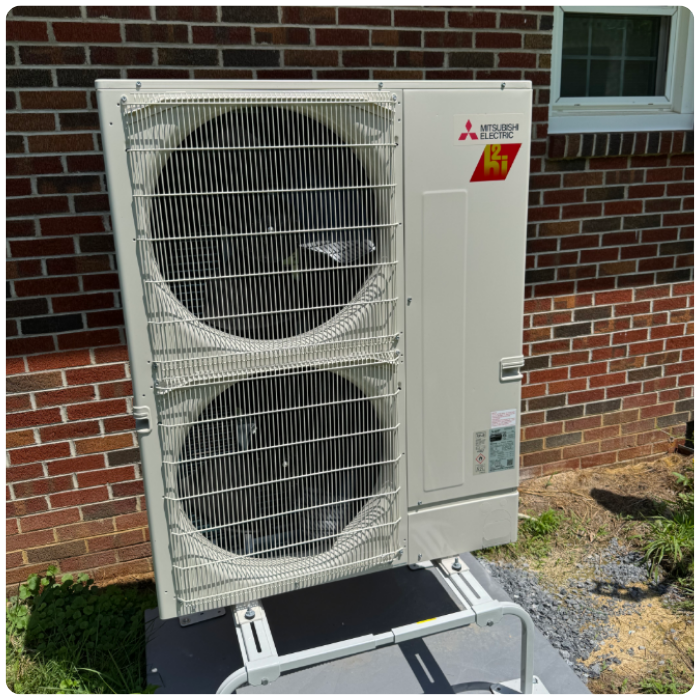
In our area of Southwest Virginia, heating systems are an integral part of the home. They keep your home warm and comfortable, and also have a direct impact on your energy bills for half of the year. Deciding what kind of HVAC system you are going to choose to heat your home is important. In our area, heat pumps and furnaces are two of the most popular heating systems for home and businesses.
We’ve been working in the area for 15+ years, installing furnaces and heat pumps alike. We know not every home is the same, and each one has its own unique needs. In this article, we’re going to talk about the difference between using a furnace to heat your home and a heat pump.
If you think your home is due for a comfort upgrade, be it heating or cooling, give us a call at (276) 690-9222, or contact us online. Our experts would be happy to help you out with your home comfort needs!
How A Heat Pump Works VS How A Furnace Works
As we said, in our area of Virginia, both heat pumps and furnaces are both very popular. They are both reliable systems that can keep a home comfortable in our climate. It gets cold here, but it’s not the arctic, and both systems are suited to handle the cold we experience.
Here is how each system works:
How A Furnace Works
A furnace generates heat by burning fuel (most commonly natural gas or propane) or by using electricity. More commonly, we see fuel burning furnaces. Once heat is created, a blower fan pushes that warm air through your ductwork and into each room of your home. We have a lot of gas and oil burning furnaces in our area of Virginia and Tennessee.
Key points about furnaces:
- Produce heat directly
- Typically run on natural gas, propane, oil, or electricity
- Can deliver very hot air quickly
Furnaces are especially effective during very cold weather because their heat output does not depend on outdoor temperatures, like a heat pump does. These systems generate their own heat, which can be a benefit, and also a drawback in some cases. More on that later. Still, this ability to generate heat independently makes for quick, dependable heating.
How A Heat Pump Works
A heat pump works differently than a furnace. Instead of creating heat, a heat pump moves heat. Even when it’s cold outside, there is still heat energy in the air. A heat pump pulls that heat from outside and transfers it indoors. In the summer, the process reverses, allowing the system to cool your home.
Key points about heat pumps:
- Transfer heat instead of generating it
- Run primarily on electricity
- Provide both heating and cooling
- Extremely energy efficient in mild to moderate climates
Modern cold-climate heat pumps are well-suited for Southwest Virginia and can operate efficiently even when outdoor temperatures drop into the teens. In the past, heat pumps had a hard time handling frigid temperatures, and wouldn’t be able to produce enough heat to keep certain climates comfortable. Today, the advanced heat pump technology accommodates weather like the kind we see here in Virginia and Tennessee.
The Benefits Of A Furnace
Furnaces have been a trusted heating solution for decades, and for good reason. The fact that these systems don’t depend on sourcing heat from the cold outside gives them a quicker ability to heat, and when the temps really drop, this dependable heating may be a comfort compared to heat pumps.
Benefits include:
- Strong, consistent heat during cold snaps
- Long lifespan with proper maintenance
- Ideal for homes with natural gas access
- Familiar technology many homeowners are comfortable with
If you want powerful heat that feels warm right away—especially during the coldest winter nights—a furnace can be a great choice.
Drawbacks Of A Furnace
A furnace is dependable, but not always perfect. Here are some of the cons to using a furnace:
- Produces dangerous harmful gases
- Can only heat, not cool
- Depend on gas/oil prices for your heating bills
- Less environmentally friendly
- Not normally as energy efficient as a heat pump
Benefits Of A Heat Pump
Heat pumps have become increasingly popular as technology has improved and energy costs have changed. In fact, many energy providers, heat pump manufacturers, and even government programs will provide financial incentives when you install a heat pump for your home.
Benefits include:
- Lower monthly energy costs for many homes
- One system for heating and cooling
- High efficiency and lower environmental impact
- Eligible for utility rebates and federal tax credits
- Great option for homes without gas service
- Ductless heat pumps great for homes with no ductwork
For homeowners looking to reduce energy usage and future-proof their home, heat pumps are often an excellent investment. These systems are environmentally friendly, and energy efficient. They’ve become the preferred choice to install for our team here at Complete Comfort in the past 5 years.
Read More: Replacing A Heat Pump In Damascus, VA
Which System Is Best For Your Home?
Every home is unique, and not every system may be perfect for every home. The best heating system depends on several factors:
- Your home’s size and insulation
- Whether natural gas is available
- Your comfort preferences
- Energy costs in your area
- Budget and long-term goals
In many cases, we recommend a heat pump. The energy savings and flexibility to provide both heating and cooling are huge benefits that most of our customers prefer. We also install dual-fuel systems, which pair a heat pump with a furnace—giving you efficiency during mild weather and powerful heat when temperatures drop.
We’ve been serving Southwest Virginia for over 15 years, and we are starting to work in Northeastern Tennessee as well. We know that no two homes are the same, and make sure that our customers are taken care of individually. If you’re considering upgrading your heating system or replacing an older unit, we’d be happy to help you explore your options.
Call us at (276) 690-9222 or contact us online to schedule a consultation. Our comfort experts will help you choose the system that’s right for your home!
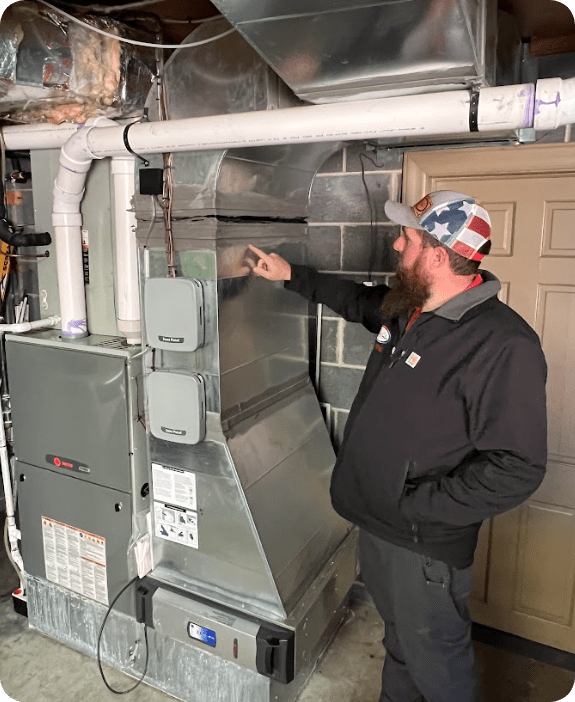
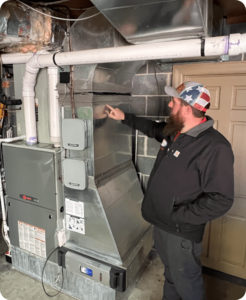 During the coldest months of the year, like we are experiencing right now, there can be challenges keeping every space in a home comfortable. Maybe it’s a single space, or an entire floor in your home. For homes and businesses in our area of Smyth County, Abingdon, Bristol, etc., we can see some brutal weather. It’s not unusual to have a room or a space that never seems to stay comfortable.
 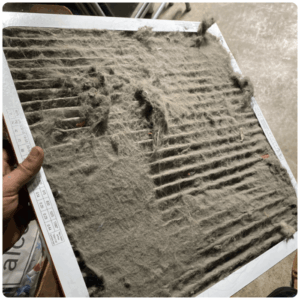 If you have a vented system like a furnace that uses ductwork, which is most common in our area, then there could be an issue with that heated air getting to every space in the home. With a system like this one, your furnace produces heat, and then it’s pushed through your vents. Most commonly, bedrooms and spaces that are furthest away from the furnace have been the problem areas.
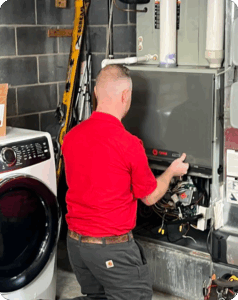 You should have your
 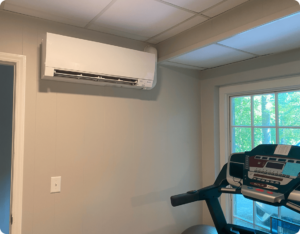 With Labor Day behind us, it’s time to start thinking about the next season. Labor Day is the unofficial end of Summer, even if we technically have a few more weeks. During this time period and into the fall, it’s not unusual to have days when you can use a little cooling, and nights when you want some heating. This is why we want to tell you a little more about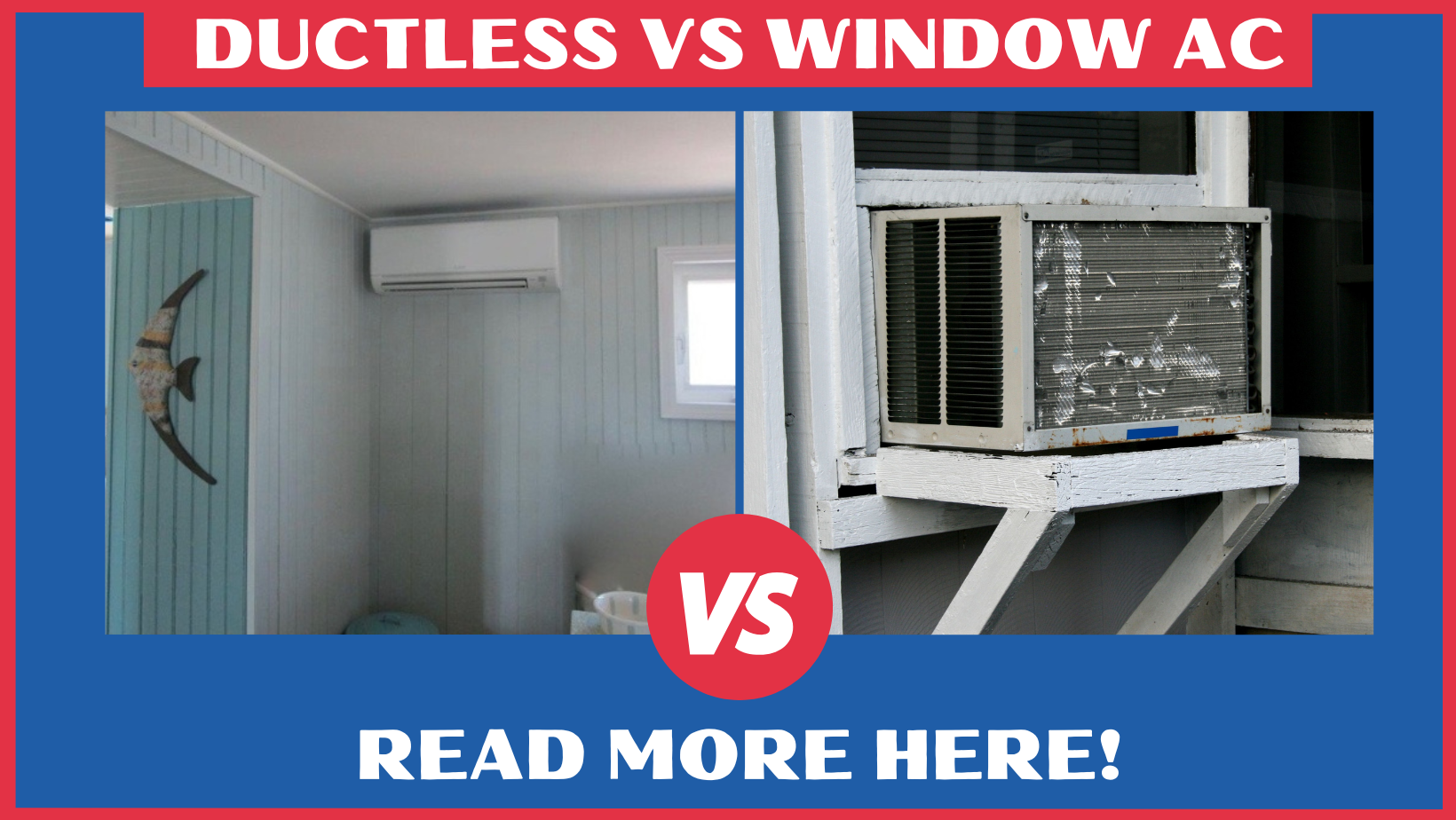

 Keeping your home warm and cozy is important in the winter, and there’s more to it than simply turning on the heating system. In this article, we’ll go over some tips for the cold weather, and what you can do around your home to keep the space more comfortable.
 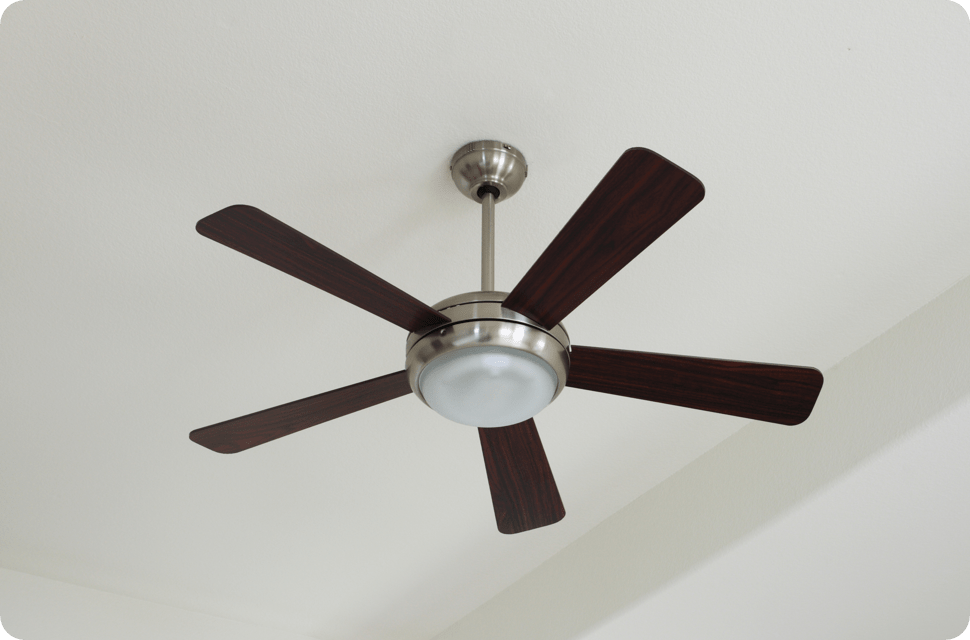 Most of the time your ceiling fan is used to cool you off in the warmer months. What a lot of people don’t realize is that your fan can also be used to keep your place warm as well. If you turn the fan clockwise, it creates a downdraft that will push the warm air that rises in your home back down into the living space. The key is to have the fan on a low speed so it gently pushes the warm air down. If the fan is moving too fast, it can make the air cool.
 AI is all over the place, and we know it’s only getting bigger and bigger. Here at Complete Comfort, we also know that you have questions about your HVAC equipment, and you may not always want to pick up the phone and call a contractor. Many people use Google to ask questions about their heating equipment, and now we are hearing about people using AI to answer questions about their home comfort.
 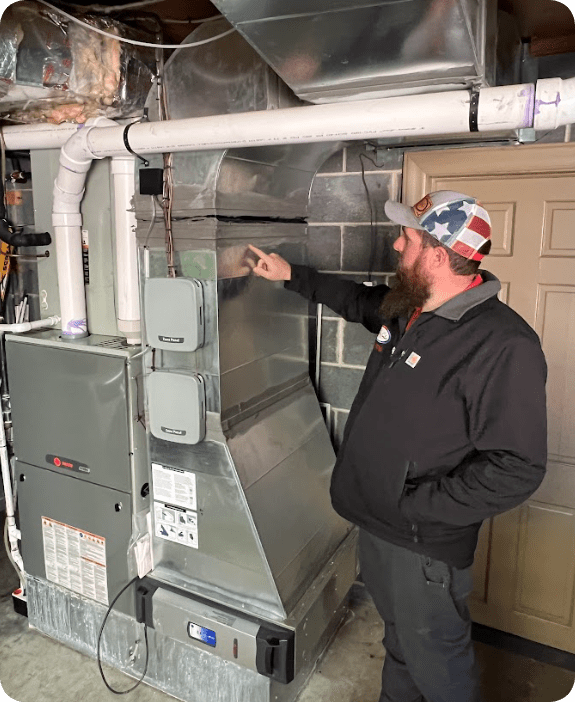 As much fun and as convenient as asking AI about your HVAC system may be, there are times when you need to speak to a professional. The most important time to speak to a professional is when there is a problem with your heating system.