
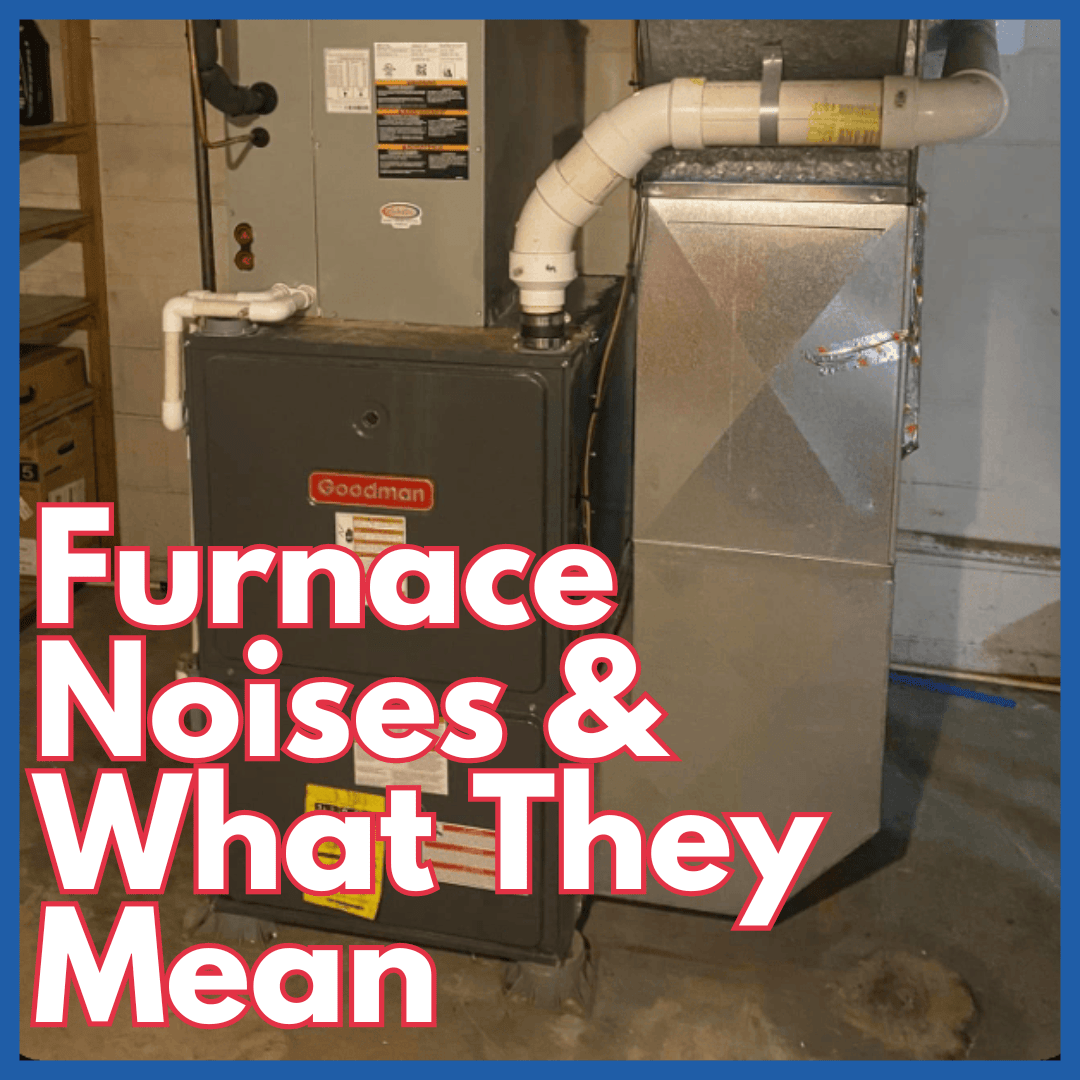
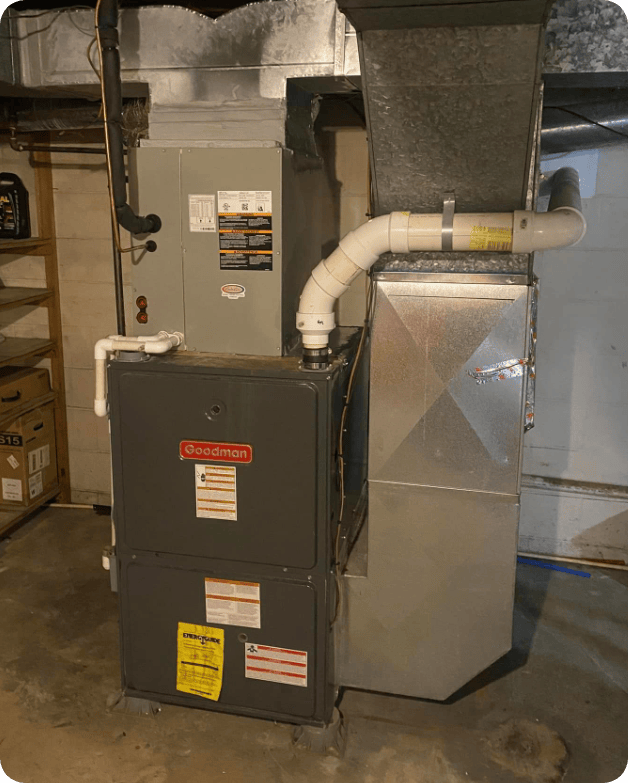
 It’s about that time of the year when the weather cools off, and it’s time to turn the furnace on to keep your home warm. If your furnace starts making peculiar noises, it could be a sign of a bigger problem. There’s also a chance it’s normal. Understanding these furnace noises and what they mean is crucial for maintaining your furnace, making sure it’s safe, and keeping your home warm.
I’ve been working on furnaces for years now, and I’ve heard them make all kinds of noises. In this article, we are going to go through the different noises and give an explanation of what they mean.
If you are having problems with your furnace, let us know. We can come out and take a look at your heating system, let you know what the sounds mean, and recommend a service, repair, or replacement. Give us a call at (276) 690-9222, or click on the button below to contact us online!
What Are Normal Furnace Noises?
Before you start to panic when you hear your furnace making a noise, understand that furnaces aren’t completely silent. Normal furnace noises could be a soft hum from the motor or air movement. You may also hear a faint whoosh when the burners ignite. Depending on where the vents are, you may hear the air coming through them as well.
These sounds should be consistent and not too loud. If you start hearing loud noises, or something outside of this description, we recommend contacting an HVAC contractor, like the pros here at Complete Comfort.
12 Common Furnace Noises and What They Mean
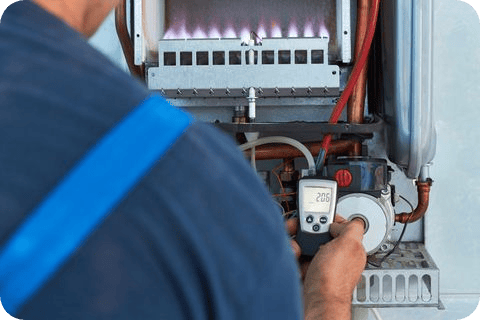 The sounds your furnace makes can be a good indicator of its condition. Not all of them are a bad sign, and depending on the sound, we will try and explain what it means.
Here’s a list of 12 common furnace noises and what they potentially mean:
Rumbling
A rumbling noise when the furnace runs or shuts off could be an indication that the burner is dirty or that the pilot light is improperly adjusted. This can lead to inefficient furnace operation, and a regular furnace service will be able to clear this up.
Screeching
Screeching sounds often suggest a problem with the blower motor or the inducer motor. It may be that a bearing needs lubrication or that a belt is worn out and needs replacing.
Vibrating
Vibrating or shaking sounds could point to a loose panel or a screw that needs tightening. It could also mean that the blower wheel is unbalanced. This is another problem solved with a regular service.
Clicking
While a clicking sound upon startup is normal, if you continue to hear clicking, this could be an issue. It might indicate a defective relay or a problem with the control panel. Call in a pro to take care of this one.
Banging
A banging noise when the furnace makes a popping noise when turning on can be caused by the ductwork expanding and contracting. This is something you shouldn’t worry about.
However, if it’s a loud bang, it might be a small explosion within the furnace, potentially because of a delayed gas ignition. Just like when you let gas build up on a grill, then throw a match in, it causes a big flame to start. If this happens in your furnace, it could cause damage and become a problem.
Humming
A humming sound could signify an issue with the blower fan or capacitor. If the humming is louder than normal, it could suggest the fan is working harder than it should.
Read More: The Furnace Maintenance Checklist
Rattling
Rattling noises are often related to loose components. The panels might need tightening, or there might be loose screws or bearings in the motor. If it’s an outside panel, you may be able to tighten it yourself.
Pops
Pops or pinging sounds often come from thermal expansion—the ductwork is adjusting to the change in temperature. This is a common sound that you shouldn’t be worried about as long as it’s not too loud.
Chirping
Chirping when the furnace starts up is typically normal, as it’s often just the sound of the metal components warming up and expanding.
Buzzing
Buzzing noises could indicate electrical issues. This sound should not be ignored, as it could relate to something as serious as a failing motor.
Knocking
Knocking sounds can be caused by the blower assembly. If something is obstructing the blower or if it’s misaligned, it might create a knocking sound.
Scraping
A furnace grinding noise, especially one that resembles metal hitting metal, suggests that something is seriously wrong. This could be a sign that the blower wheel is loose and scraping against the blower casing. Call your HVAC contractor right away!
If you live in the Chilhowie, VA area, give us a call at (276) 690-9222, or click here to visit us online!
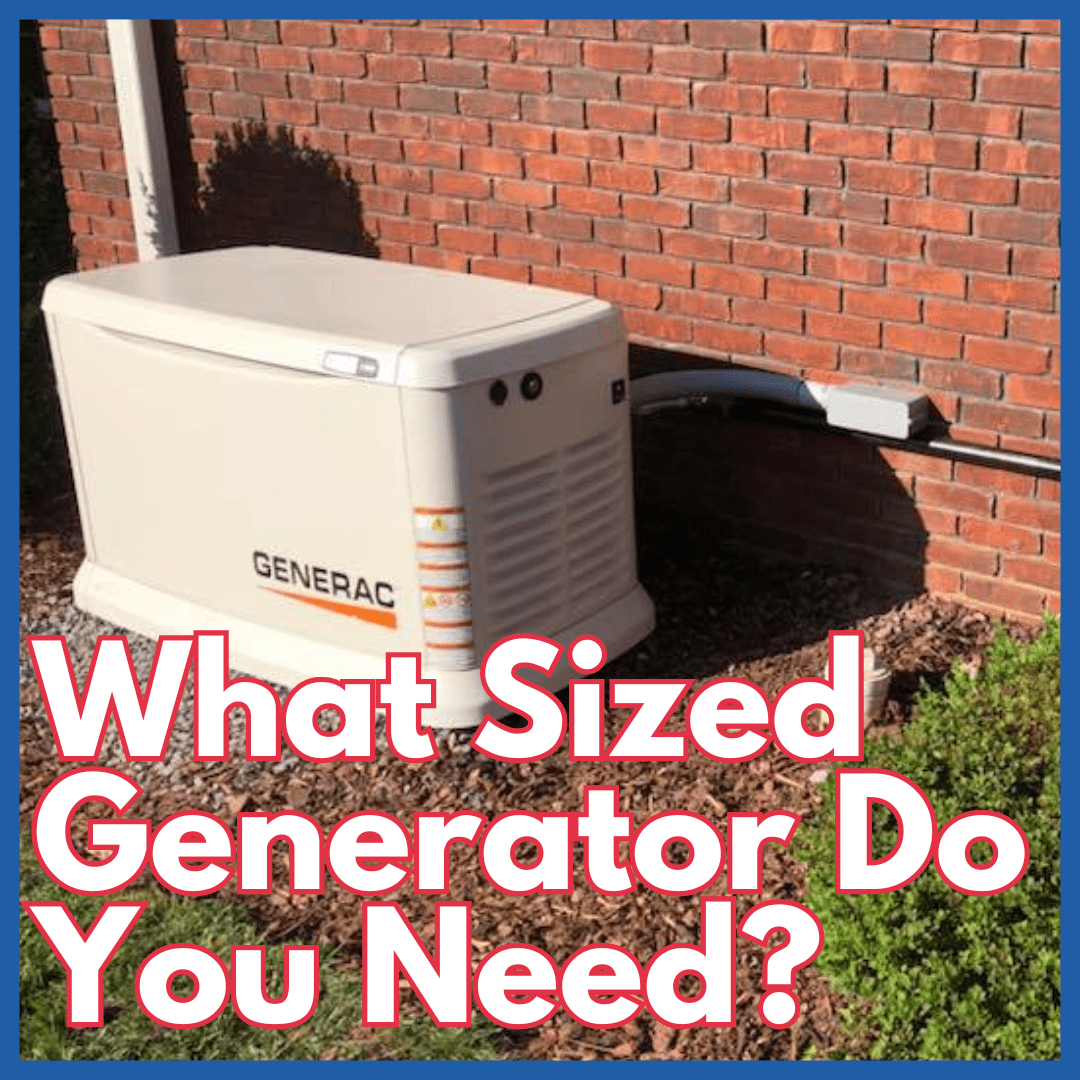
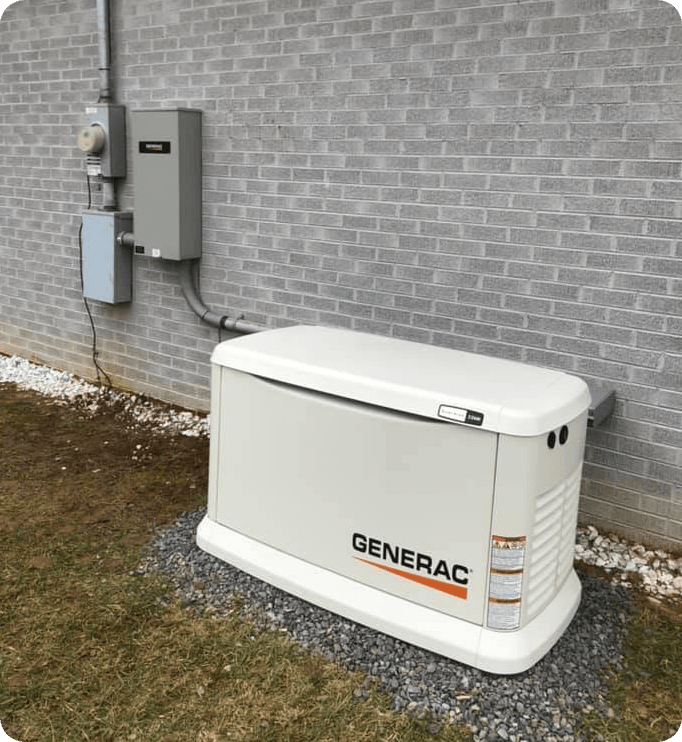 One of the most common questions homeowners ask when considering a backup power source is, “What size generator do I need to power my home?” The answer varies depending on individual needs, preferences, and the total wattage of devices you want to power.
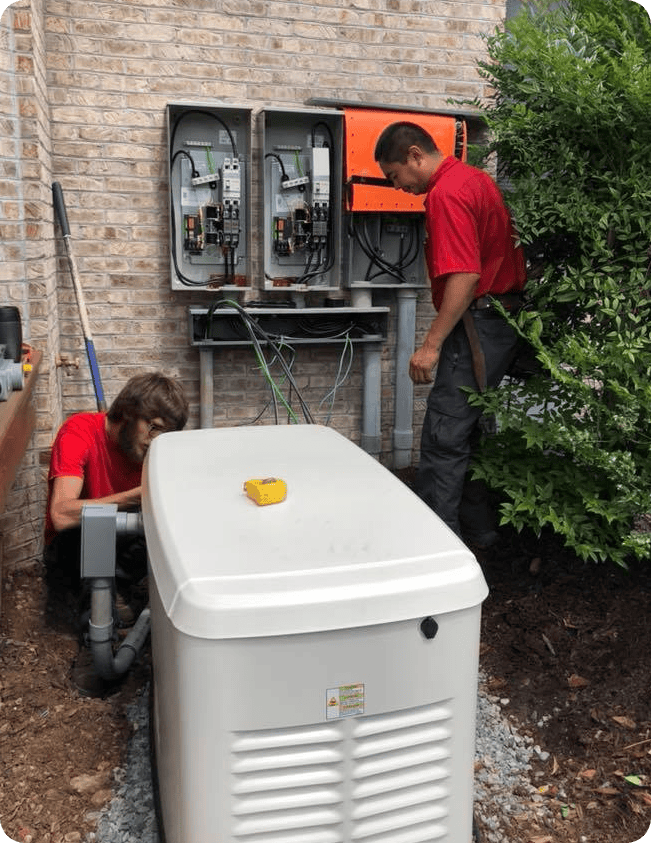 Making the Right Size Choice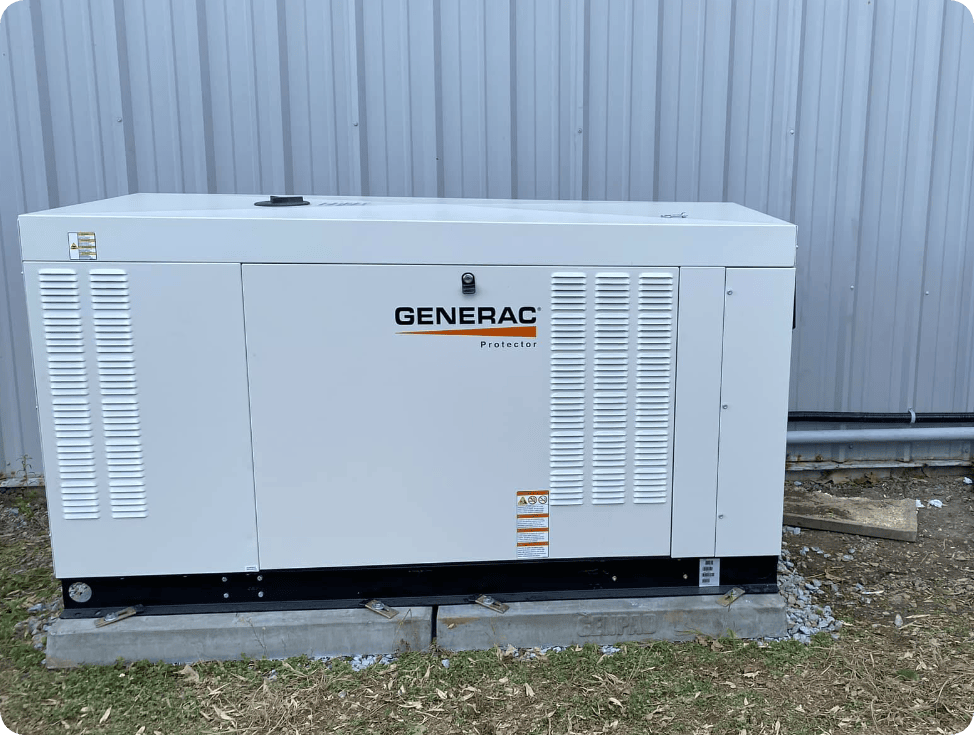
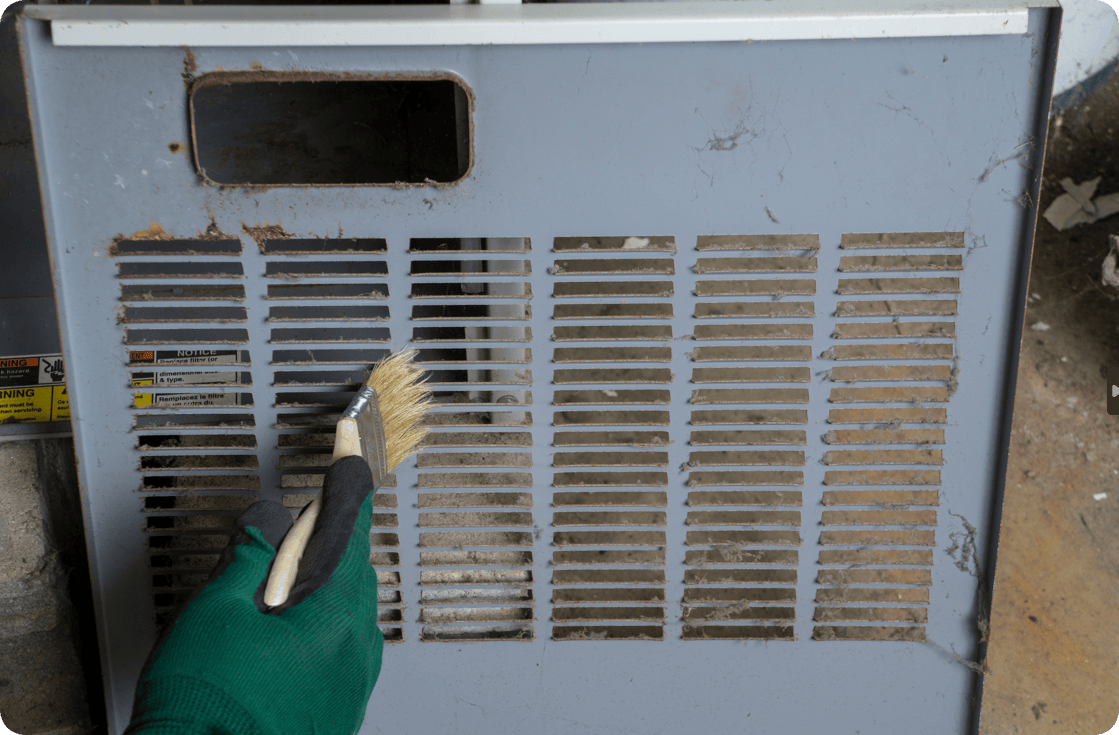 Furnace maintenance is the key to keeping your furnace running efficiently, and making sure it lasts for years. Regular furnace maintenance also makes sure that your system is running safely. We recommend a furnace service at least once a year, preferably before the heating season.
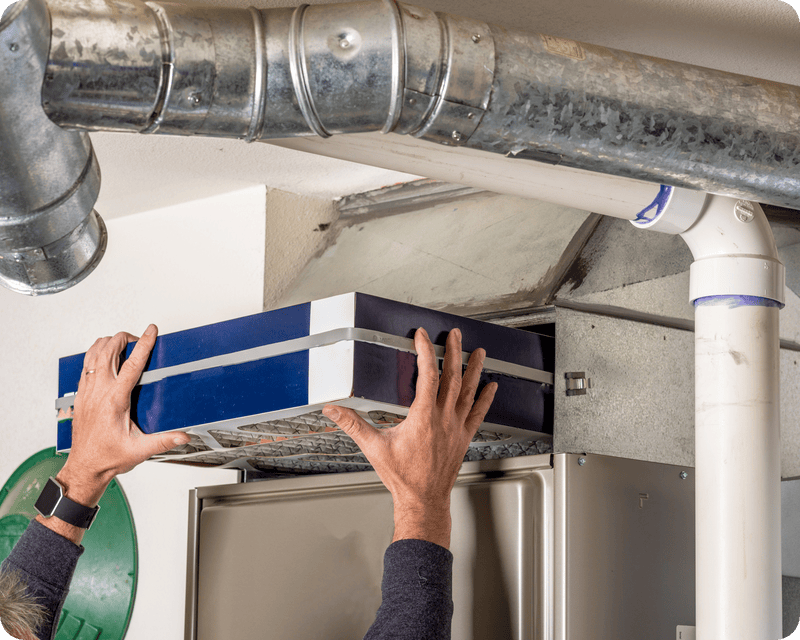 Your furnace is a complicated system, and if you aren’t familiar with them, you really should let the professionals handle the service. Your furnace uses combustible fuel sources, and it can be dangerous if you perform service incorrectly and it leads to a leak.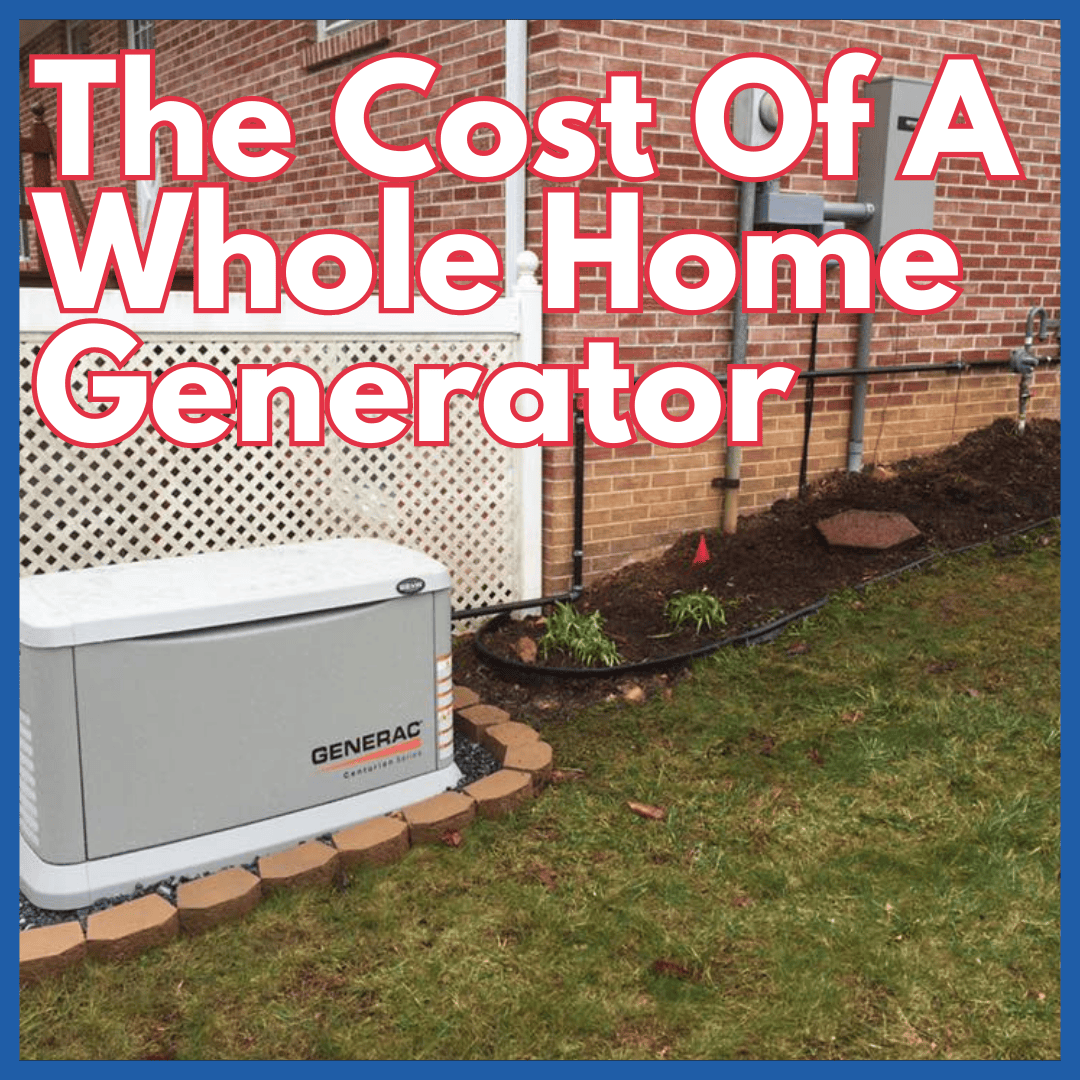
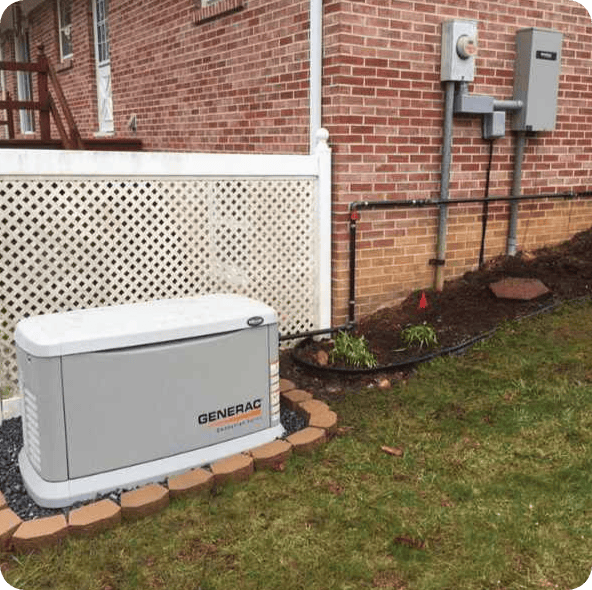 The cost of a whole-house generator near Chilhowie, Virginia can be anywhere between $8,000 and $25,000 depending on the size of your home and the number of appliances you want to run. Our average whole-home generator installation runs about $10K – $12K.
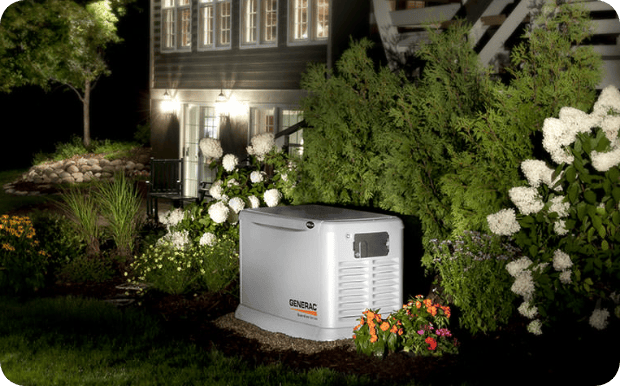 Generac whole home backup generators are housed in a sleek, modern enclosure that is anywhere from three to four feet in length, about three feet high, and about two feet deep.
 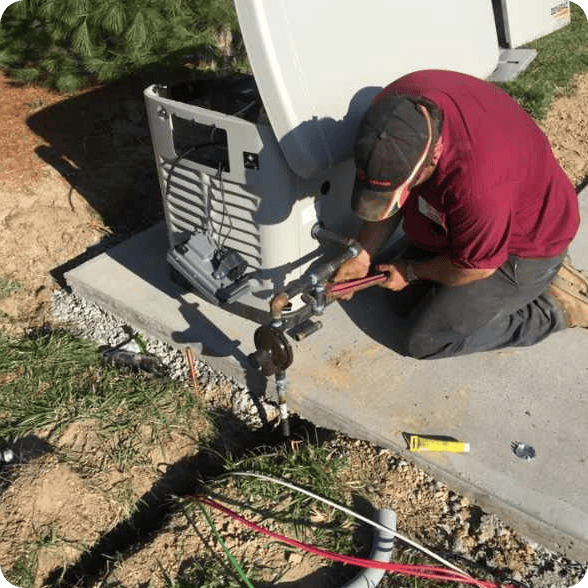 Do you want to keep everything in your house running, or are you only concerned about your refrigerator, air conditioning, heating system, sump pump, and cooking appliances?
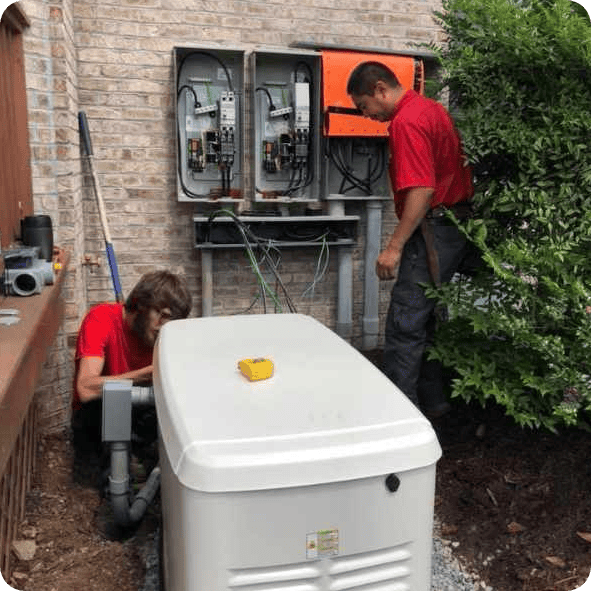 Your existing electrical panel may or may not be sufficient to handle your new whole-house generator. Your electrical needs and potential upgrade requirements are determined by the size of your backup generator and the size of your existing electrical service panel.
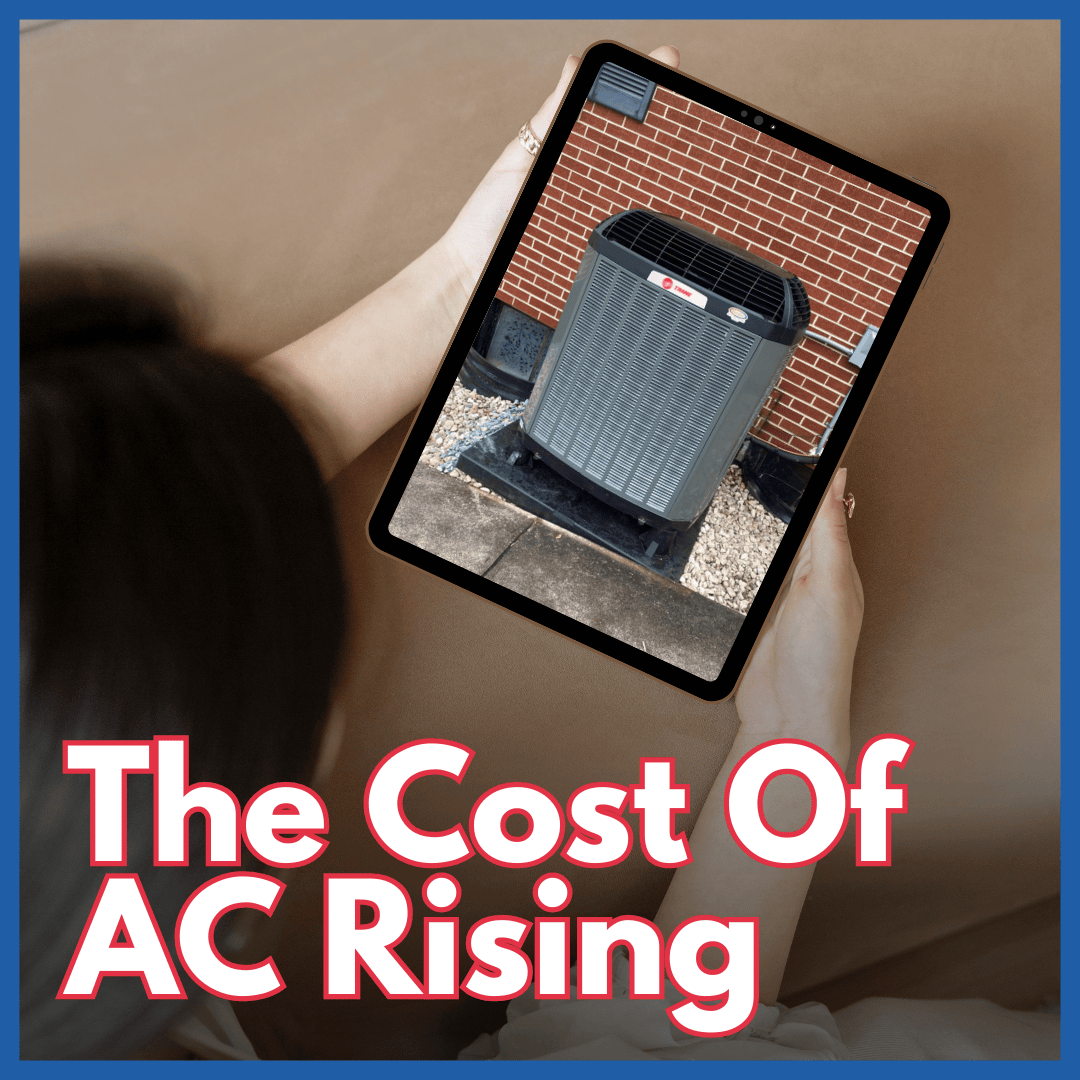

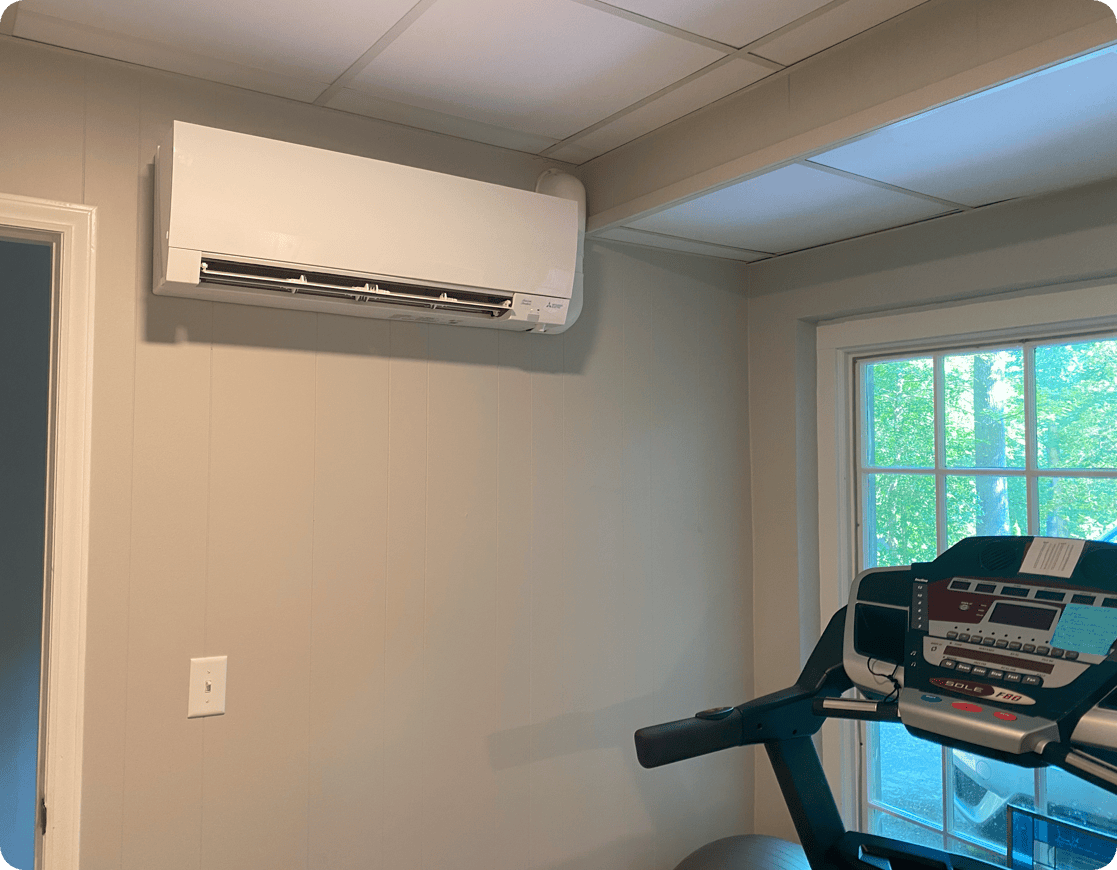 The cost to install a ductless mini split system, in Chilhowie, VA, can greatly vary. A mini split cost typically ranges from $4,000 to $16,500+.
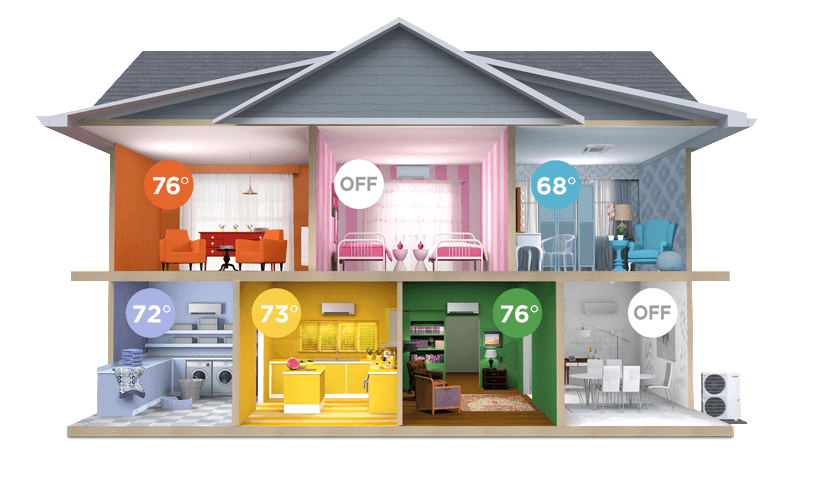
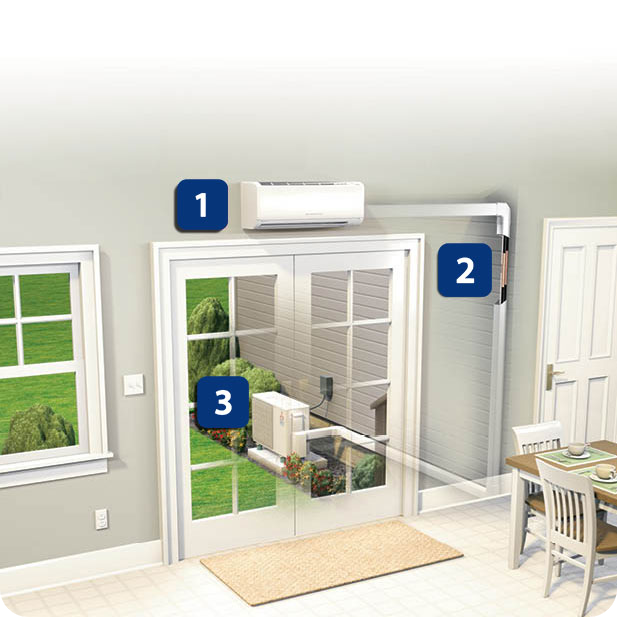 This unit disperses the heated or cooled air into the designated zones controlled by a thermostat. The conduits that carry the refrigerant lines, power cable, suction tubing, and condensate drain are hidden in some line set that runs along the wall, offering an aesthetically pleasing solution compared to traditional duct systems.
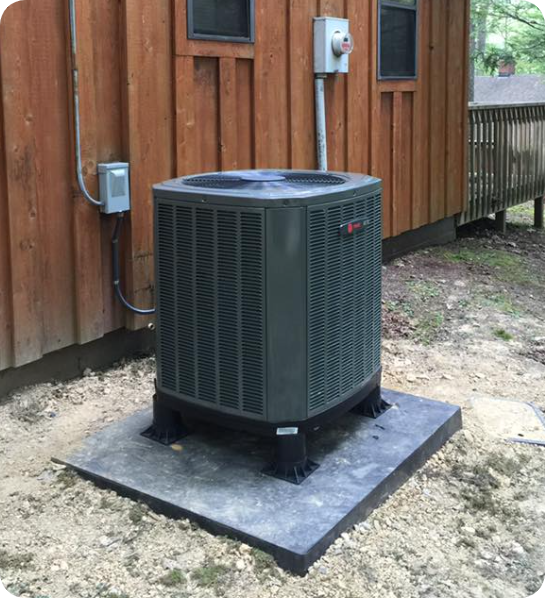
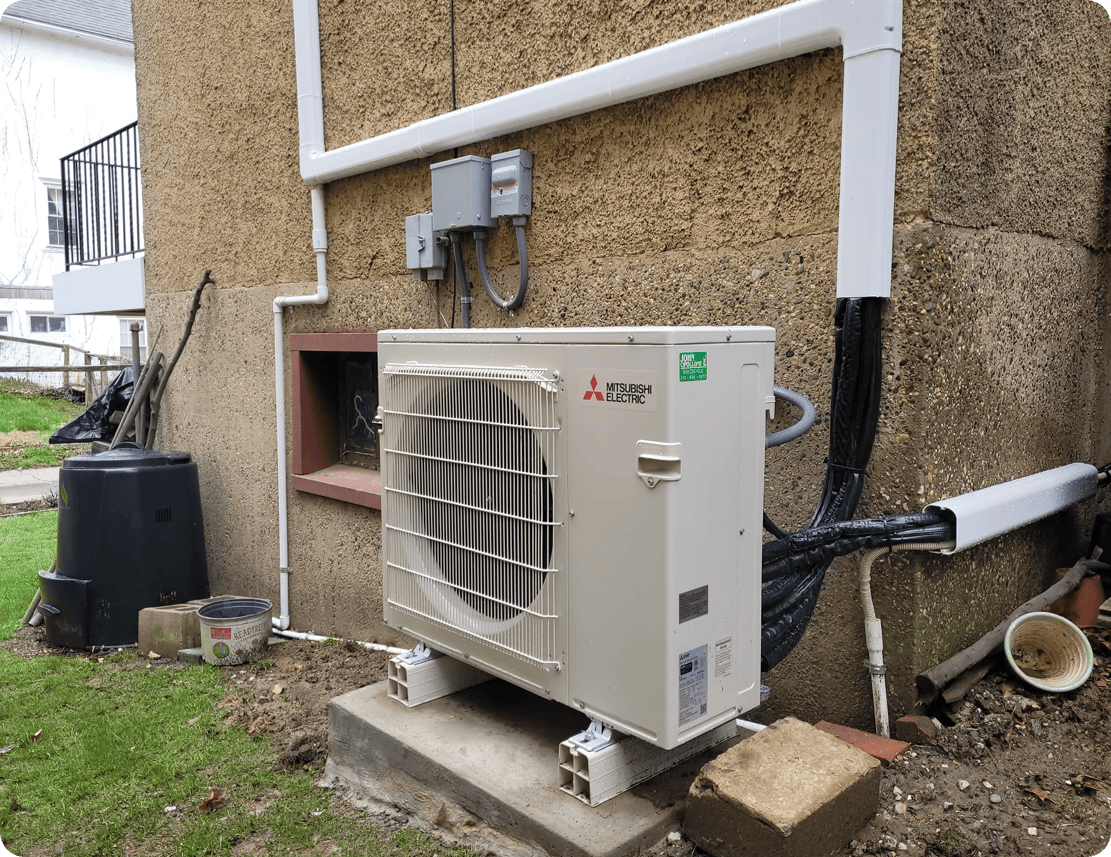 The heat pump, also known as the condenser unit, is the outdoor unit of the mini split system. It’s the system’s engine, controlling the refrigerant flow to the indoor units. This is the component that takes in the air from the outside, and extracts the heat. It also dispells hot air in the summer.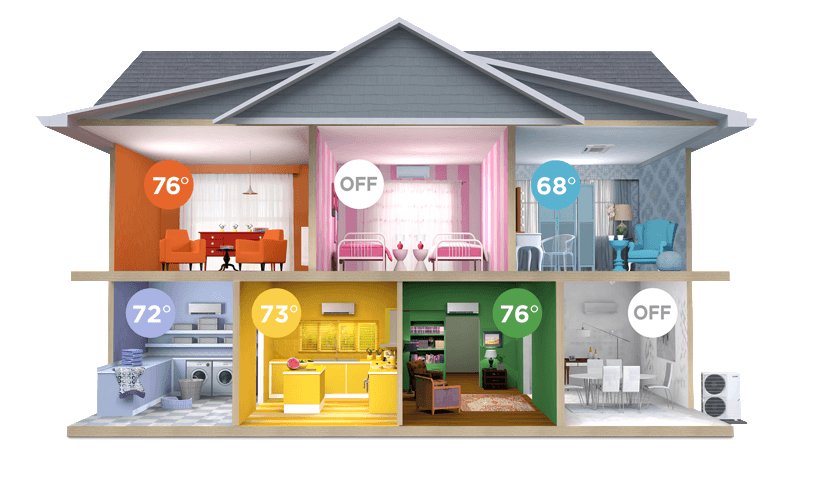
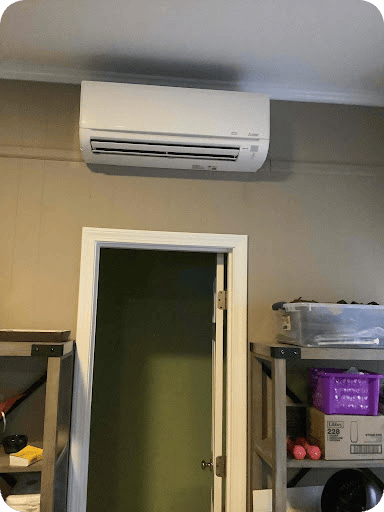 Before your mini split installation, be prepared to ask your HVAC company various questions. Topics should include costs, permits, warranties, and other relevant considerations.
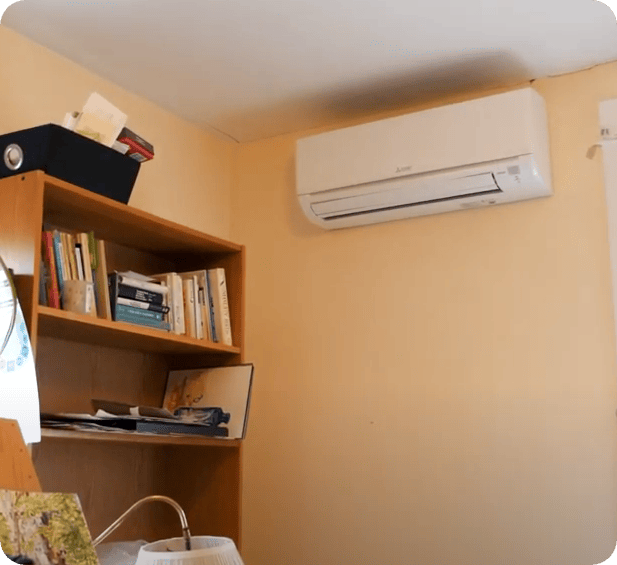 For years central heating and cooling was considered the best way to heat and cool your home. Now, ductless mini splits are becoming an increasingly popular choice for homeowners, offering a slew of benefits that traditional heating and cooling systems simply can’t match. Here are five key advantages of ductless mini splits: