How To Save Energy With Your Air Conditioning This Summer

How To Save Energy With Your Air Conditioning This Summer

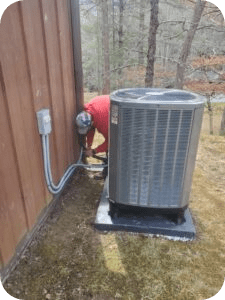
How To Save Energy With Your Air Conditioning This SummerI remember growing up my dad didn’t want to put the air conditioning on until the last possible second. He hated seeing the energy bills every month during the summer. As an adult, I can totally relate to him. With the HVAC technology we have today, you shouldn’t have to sacrifice your comfort just to save a few bucks. There are some simple and effective ways to save money with your air conditioning this summer. 

I have been servicing and repairing air conditioning systems for over 10 years, and I hear from homeowners all the time about their AC costing them more than the past, and there are a few reasons for that. Maybe the air conditioning system is old and losing efficiency. In other cases they haven’t had the system serviced in years. 

No matter what the case, there are ways, some simple and cheap, some more complicated and expensive, to lower your energy bills. In this article, I’ll tell you a little more about how you can keep your air conditioning bills under control. 

How Do You Know Your AC Is Using Too Much Energy?

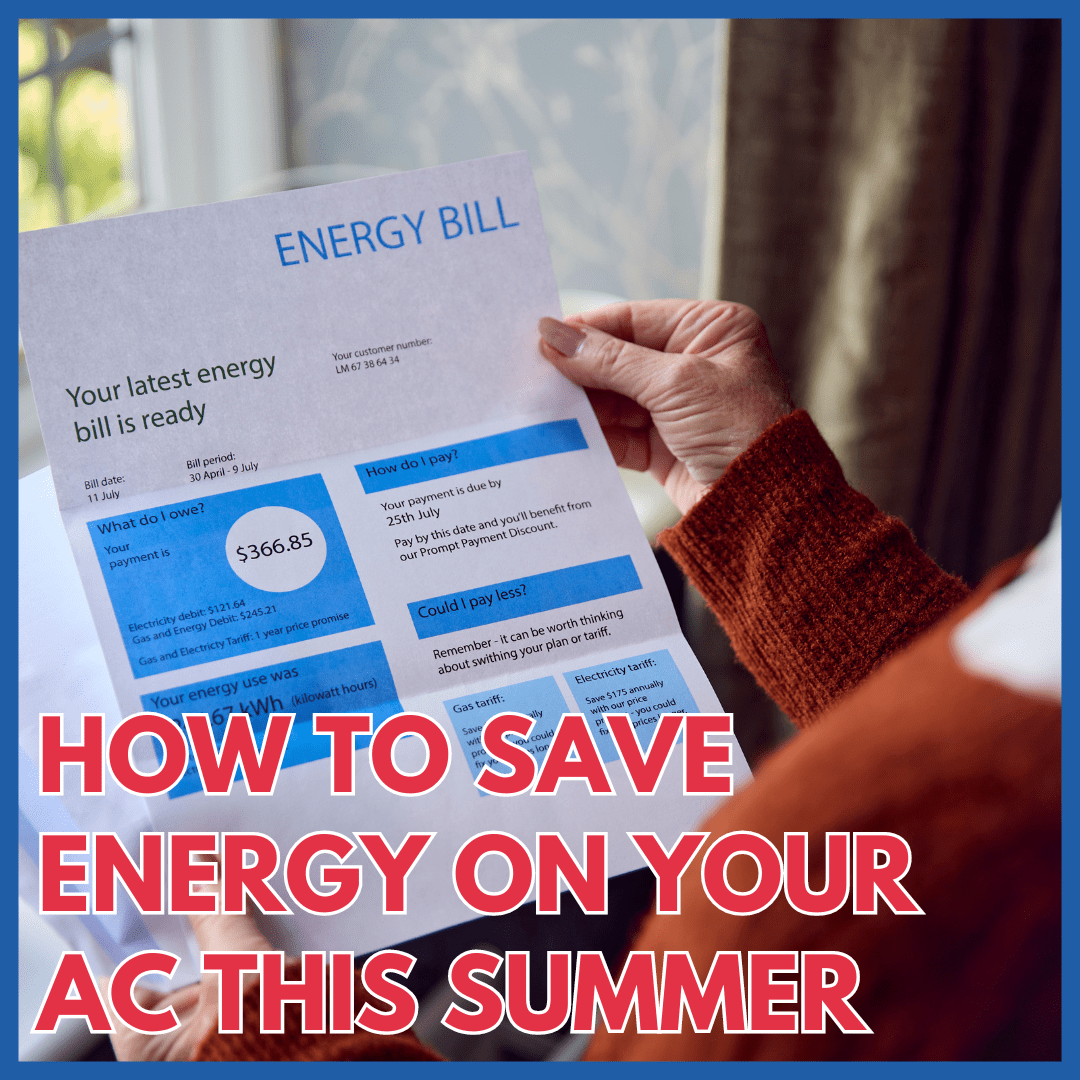
It’s natural for an air conditioner to drive your energy bills up. So how can you tell your AC is using too much energy? Clearly, the most obvious way to know if something is up with your system using too much energy is by looking at the energy bill. 


For one, your energy bill usually comes with a few pieces of data that show you your usage breakdown compared to yourself last year, as well as your neighbors. You can see how you stack up when it comes to energy use. Sometimes, the previous year is tough to gauge, due to changes in the weather. I prefer to look at my usage compared to those around me. 


If your energy bills spike in a strange way you don’t remember in years past, it could also be a sign that your system is overworking itself. This is also the case if your home just never gets cool, but the AC constantly runs. Now there are certain AC systems that are supposed to run constantly, but if the home isn’t getting cool enough, you should call in a professional. 

Ways To Save Energy On Your AC

There are ways to save money when it comes to your air conditioning. Some of these are simple things you can do on your own. Others are a bit more expensive and involve hiring professionals. 

Scheduling Routine Service

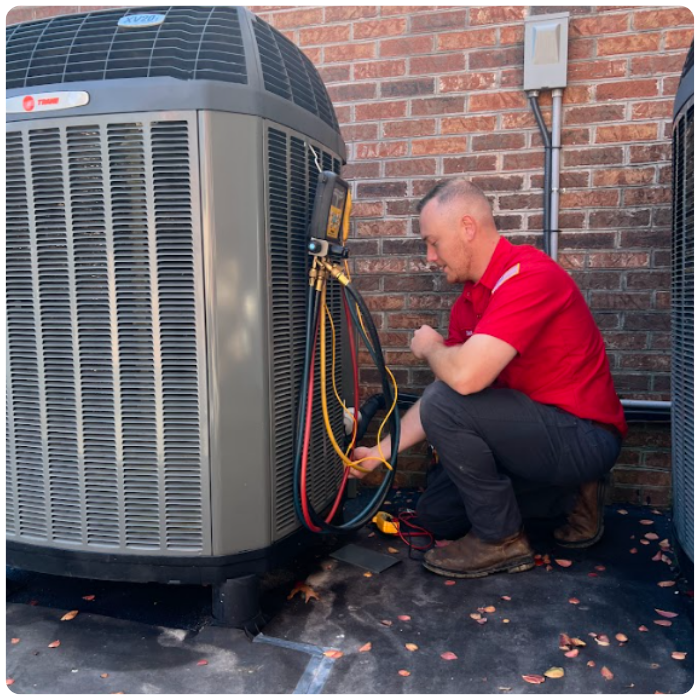
This is a simple step, but likely the most important when it comes to saving money on your air conditioning bills. With a routine AC service, the technician makes sure everything is working properly, and gets ahead of any kind of parts or components that may need to be replaced. This routine maintenance will help your system work efficiently, and lengthen the life of your AC system. 


We recommend having your AC system serviced at least once a year, preferably before the summer. This will help keep your system running efficiently, and also keep your warranty in tact! 

Changing Your Air Filter

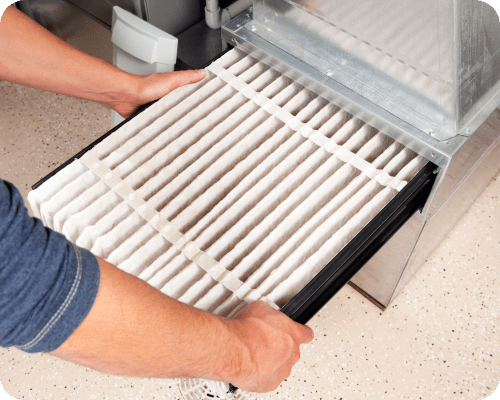
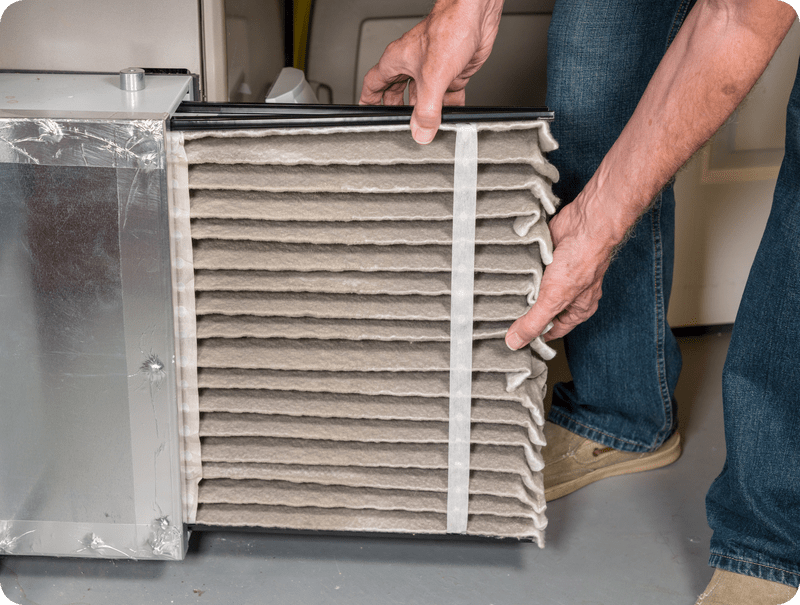
Changing The Air Filter Is Simple And ImportantChanging your air filter is an easy step you can perform on your own, and should once every few months. Your air filter catches any particles and debris that pass through your HVAC system. After running the system for a few weeks, the particles will build up and clog the filter.

If your HVAC filter is clogged, it will prevent proper air flow, forcing the air conditioner to work harder to deliver the air. It also makes the air in your home dirtier. We recommend having a few filters on hand so you can change them regularly. This will keep the air flow happening as it should, and your air cleaner and healthier to breathe. 

Use A Programmable Or Smart Thermostat

An upgraded thermostat can help you save between 5% and 30% on your energy use. Programmable and smart thermostats are designed to adjust themselves as needed, and save as much energy as possible in the process. 

These thermostats can be programmed to keep the home the way you like it during certain hours, and then adjust for when you aren’t home, or when you are sleeping. Installing a smart thermostat will cost you money to install, but should pay for itself in the long run. 

Seal The Leaks Around Windows And Doors

If your home is leaking cool air, it’s going to cause your AC to work harder to compensate for the lost air. Air can be lost in the vents, out of windows, and under doors. Installing weather stripping, or using sealant to make sure the leaks are prevented is an easy way to stop energy loss.

We recommend you have a home energy assessment and see where you are losing energy. This is going to help you fix the energy issues, and make the home more comfortable! 

Close Your Blinds

Here is a REALLY easy one. Closing your blinds to prevent the sun from entering is a perfect way to keep the place cooler. This goes especially for rooms you aren’t using. Sunlight naturally warms a space, and if your home is warmer, it’s going to take more energy for your AC to keep it cool. We all love some natural light in the house, but limiting it will help you keep the space cooler and the energy bills down! 

Add Shade To Your Home

This is one that is a little more complicated. If your home faces the sun, it’s going to warm the home up. Adding trees to your property, or bushes around the house may provide a bit of shade, keeping the space cooler, and adding a nice aesthetic to the outside of your home. 

Obviously, this can become a potentially involved and expensive project, and one that isn’t feasible for everyone. But, if you have the space and the means, it may be a nice way to beautify and cool your home at the same time!

Upgrade Your HVAC System

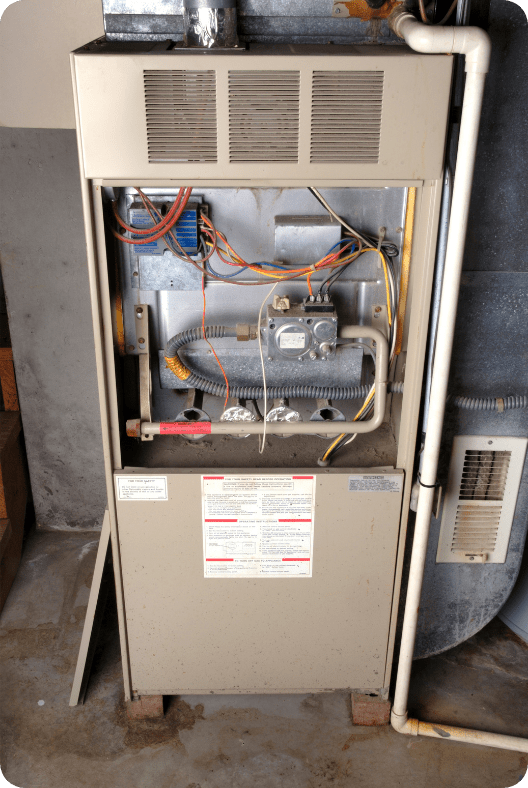
This is likely one of  the most expensive, but also effective ways to keep the energy bills down. If you have an air conditioner that is 10+ years old, or has had lots of repairs performed on it, it could be time to replace it. The requirements for minimum SEER, the rating system for how efficient your AC is, has also gone up in recent years. A new energy efficient HVAC system will lower your energy bills, and improve the comfort of your home.

Why Should I Zone My Heating And Cooling

Why Should I Zone My Heating And Cooling?

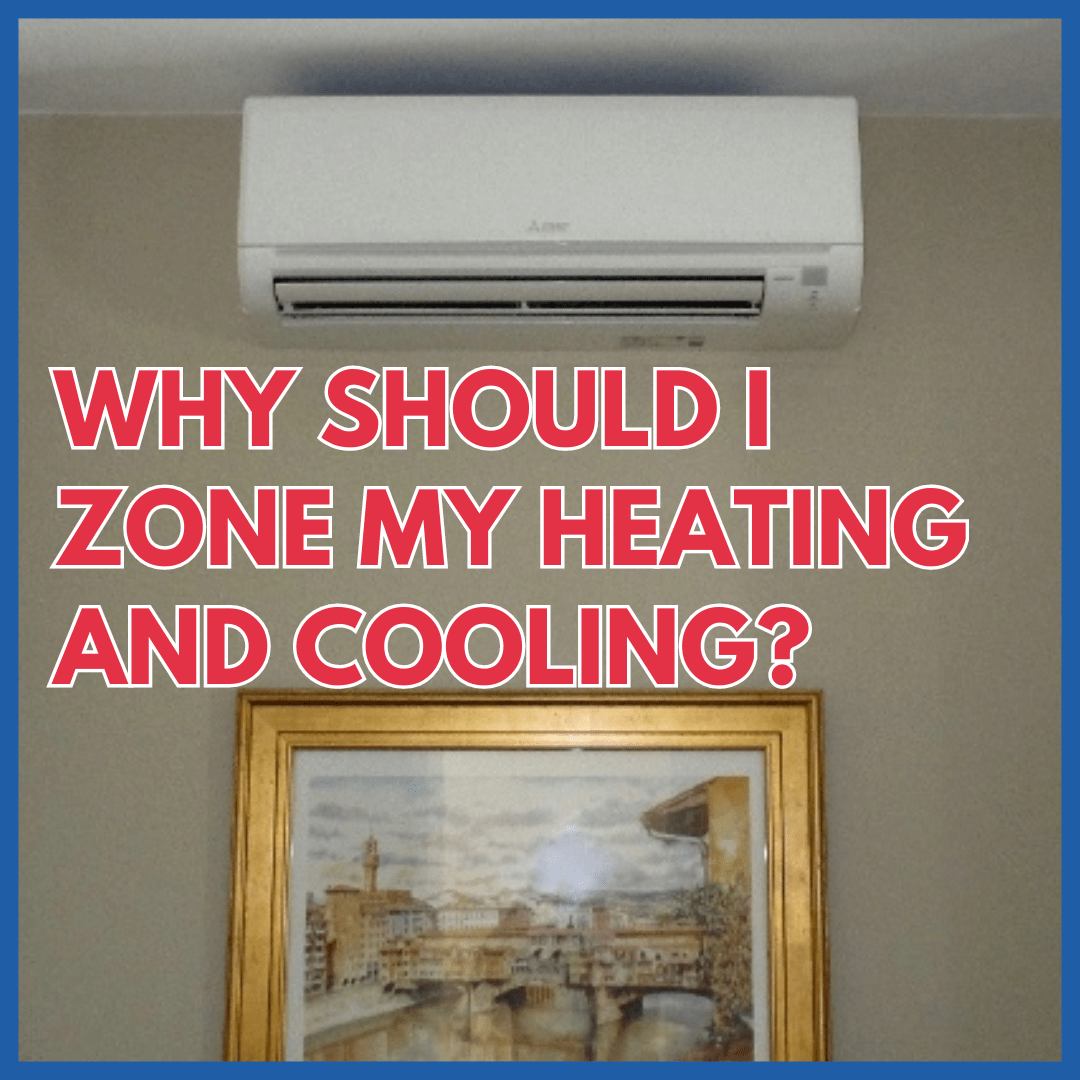
Why Should I Zone My Heating And CoolingZoning your heating and cooling has become more and more popular as HVAC systems become increasingly advanced and energy efficiency is a focal point. You may be thinking, what is zoning? Well in this article, we will tell you all about what zoning your HVAC system means, and what the benefits of zoning are. 

I have been installing HVAC systems for years now. Years ago, it was all about central air. You want to make sure the whole building is taken care of. This is still a great system, but now zoning has become something that homeowners and businesses are looking for. 

If you are thinking about an upgrade to your heating and cooling system is Bristol, VA, we can help you out. The experts at Complete Comfort can assess your HVAC system, and determine the best route for zoning your HVAC. Give us a call at (276) 690-9222, or contact us online!
What Is Zoned HVAC?

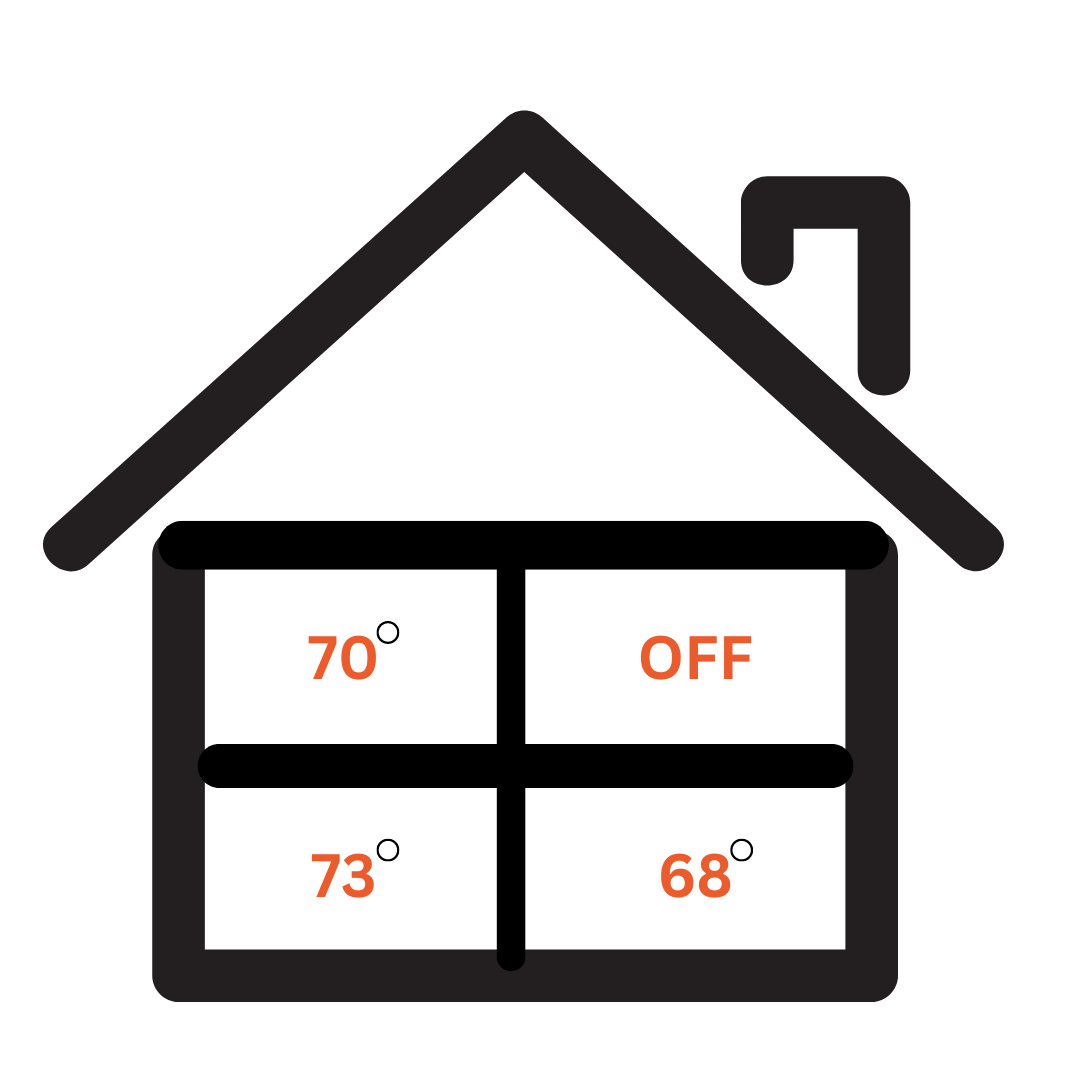
A zoned HVAC (Heating, Ventilation, and Air Conditioning) system allows you to heat and cool different zones around your home independently. This means you can have one room running at a certain temperature, while another room or zone is at a different one. 

Traditional HVAC systems try to treat a home as a single entity, making the entire building the same temperature. Zoned systems provide targeted heating or cooling to specific areas as needed. This can be done through the use of dampers in the ductwork that regulate airflow to each zone and individual thermostats that control the temperature in each zone. 

What Are The Benefits Of Zoning?

Zoning your heating and cooling comes along with benefits! From keeping everyone in the home happy to saving on energy bills, there are a few reasons you will want to zone your HVAC system. 

Customizable Comfort

When you zone your heating and cooling, you can then keep different spaces at different temperatures purposefully. This allows you to keep different people in the home happy, and stop the fight over the thermostat! 

For example, you can keep bedrooms cooler at night without freezing the living room, or ensure the kitchen is comfortable without turning the upstairs into an oven. Now obviously, if everyone is watching TV in the living room, you are going to have to agree on a temperature there. But, when everyone is hanging out in different rooms, there is no need to fight over the thermostat. Everyone can have their rooms set at the temperature they desire, without affecting the rest of the house! 

Energy Savings

Zoned heating and cooling systems can lead to substantial energy savings. Think about it. If you are using a central air conditioning or heating system, you are trying to treat the entire home at the same temperature. This includes rooms that aren’t being used. If you use a zoned system, you can eliminate wasting energy and resources keeping the unused spaces comfortable. This energy savings is going to make a big impact on your energy bills, reducing them significantly over the course of the year. 

Longer HVAC System Lifespan

Because zoned systems run more efficiently and aren’t required to heat or cool the entire house continuously, they usually experience less wear and tear. Since you are using your system a bit less, you are putting less mileage on it. This is going to lead to a longer lifespan for your HVAC system. 

How Can You Zone Your Comfort?

Creating a zoned HVAC system in your home can be achieved in a couple of ways, depending on your existing setup and what you are looking for. 

Installing Dampers And Thermostats

For homes with traditional ducted systems, zoning can be accomplished by installing dampers within the ductwork. These dampers open and close to control the flow of air to different areas of the home, as directed by individual thermostats placed in each zone. This design allows you to keep your traditional HVAC system, and control each zone using a different thermostat. 

Installing Ductless Mini Splits

Another way to achieve zoned comfort is through the installation of ductless mini-splits. These systems consist of an outdoor condenser unit connected to one or more indoor units, each of which can be controlled independently. Ductless units are great for homes without ductwork, as well as additions to homes or problem rooms. These systems have the ability to both heat and cool, meaning you don’t need separate systems for each time of year. 
Zoning Your Heating And Cooling In Bristol, VA

If you were thinking of making an upgrade to your heating and cooling system this year, consider zoning your HVAC system. The experts at Complete Comfort can come take a look at your home, and help you design the perfect HVAC system to zone your heating and cooling. Give us a call at (276) 690-9222, or contact us online today! 

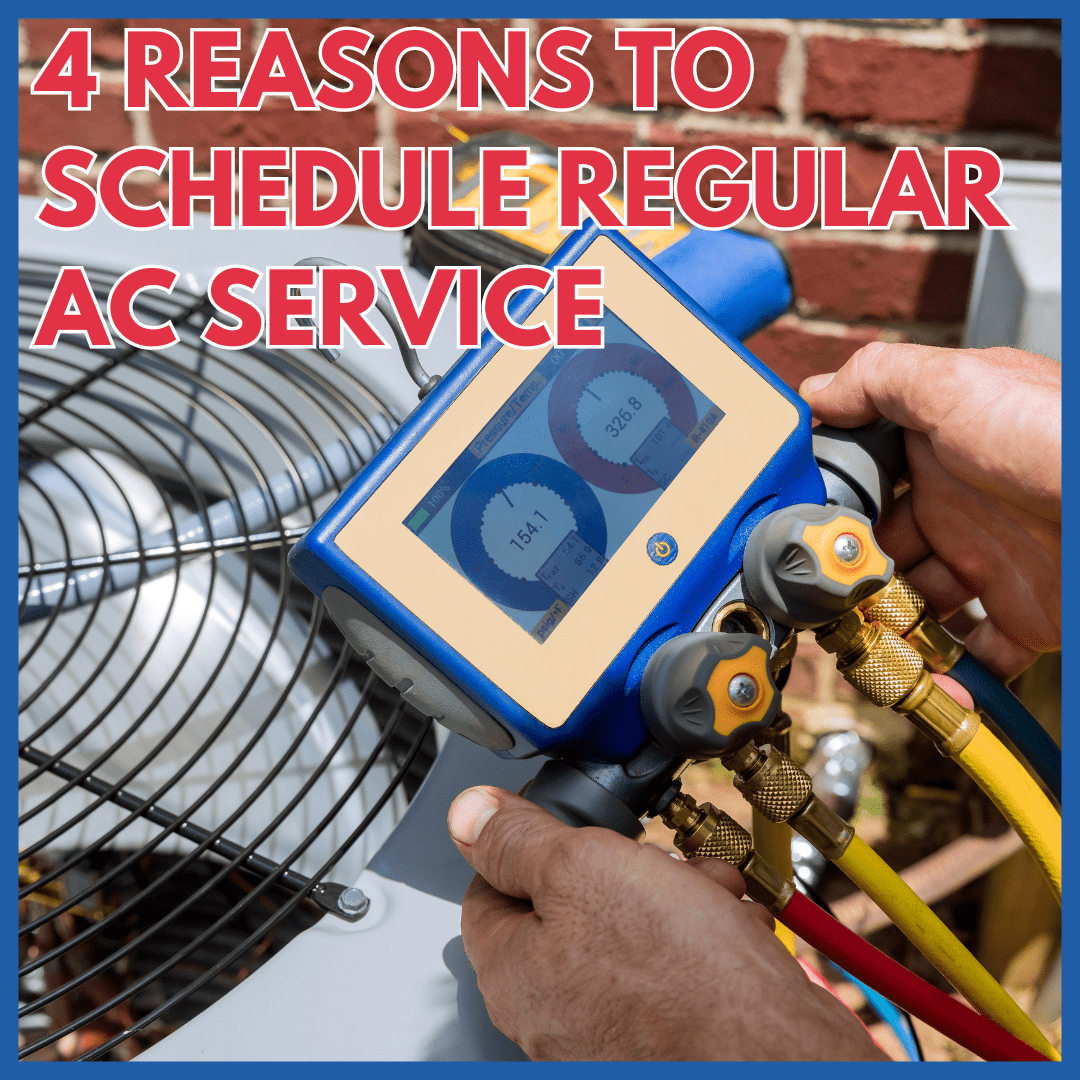
4 Benefits Of Regular AC Service

4 Reasons To Schedule Regular Air Conditioner ServiceYour air conditioning system is one of the most important components of your home. It keeps you cool and comfortable once it gets hot out, as long as it’s working properly. In order to keep your AC running efficiently, regular service is required. There are several benefits of AC service, like extending its lifespan, improving energy efficiency, and better cooling.
I’ve been servicing and repairing AC systems for 8 years, and have seen first hand how important regular maintenance is. The systems that have been maintained once a year are usually running better, using less energy, and lasting years longer. It’s common that when we receive a call to fix an AC system, it hasn’t been serviced on a regular basis.

This article will dive into the benefits of regular AC service, what you can do on your own, and when you should have your air conditioner maintained each year. If you are in need of AC service or would like to talk to an expert about your home cooling, give us a call at (276) 690-9222, or contact us online.

When Should You Have Your Air Conditioner Serviced?

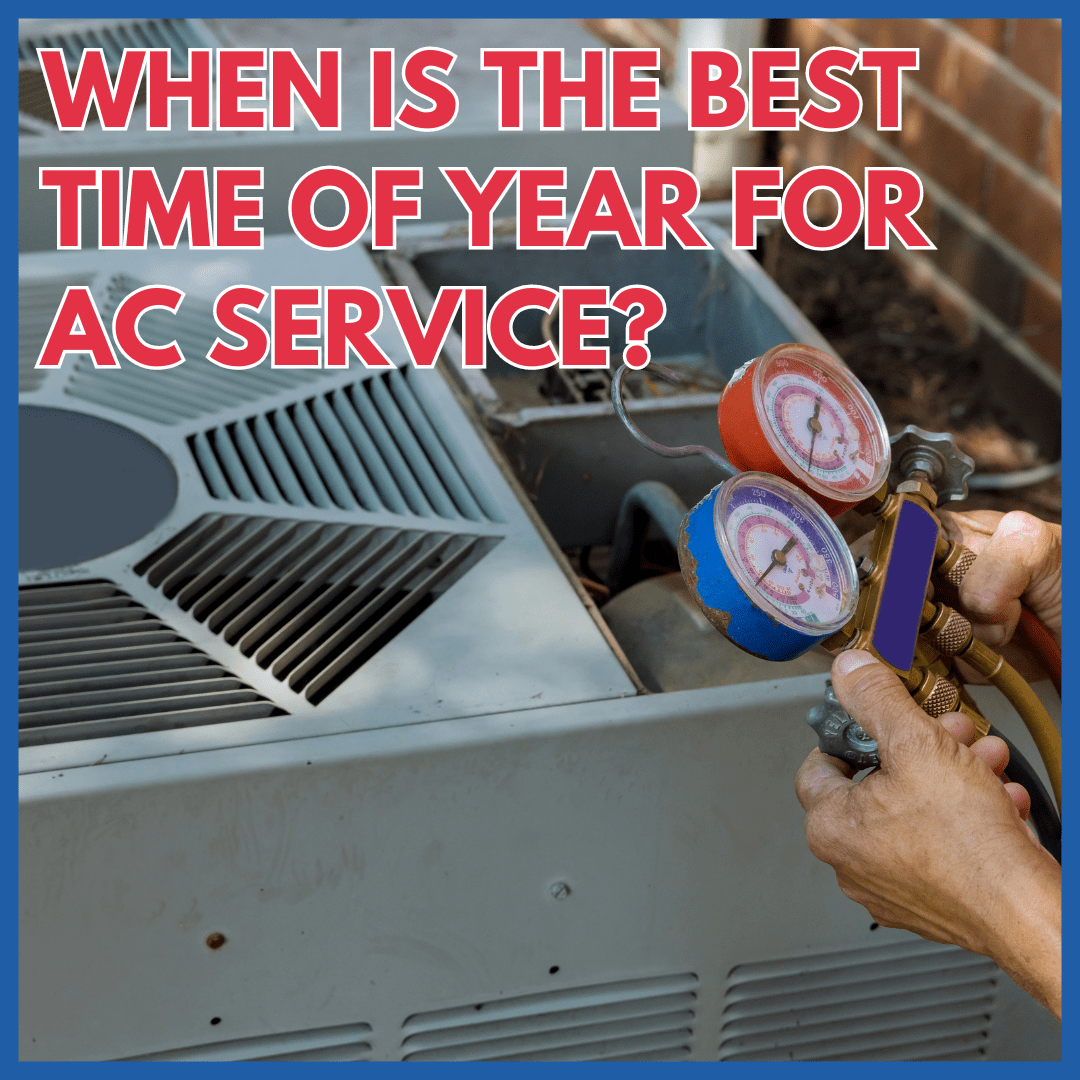
The best time for AC service is in the spring. Now that doesn’t mean you shouldn’t have your AC serviced in the summer, but it’s better to have it taken care of before the extreme heat gets here. HVAC contractors usually have more time in the spring, and tend to get busier once the summer is here. Once the weather is consistently above 50 degrees, we recommend that you schedule a professional AC service.

The Benefits Of Annual AC Service

You have likely heard about service for your HVAC system in the past, but it’s important to know why you should schedule AC service. Just like having your car serviced every so many miles, your air conditioner should be taken care of as well. Most machines require some sort of regular service or maintenance. Here are 4 key reasons to schedule regular AC service:

Improved Cooling

The first reason to have your AC serviced is better cooling! Technicians change the air filters, clean coils, and other components, removing dirt and debris that hinder performance. This not only improves cooling efficiency but also provides a more comfortable living environment during hot weather. They will check to make sure that air is flowing to each vent, and that your thermostat is working properly as well.

Better Energy Efficiency

Regular service for your air conditioner also helps improve energy efficiency. An efficiently running AC unit consumes less energy, which translates to lower electricity bills. During service, technicians check for any issues that may cause the system to work harder than necessary, such as clogged filters or leaking ducts. If your system is not running efficiently, it causes issues with energy consumption, breakdowns, and a shorter lifespan.

Longer System Lifespan

Your AC system should last between 12-15 years with regular service. By identifying and fixing minor issues before they escalate into major problems, you avoid the need for costly repairs or premature replacement. We’ve seen some systems that have to be replaced years too soon, and a big reason was that they didn’t have yearly AC service performed. We’ve also seen some systems that have lasted up to 20 years, all because of how well they were maintained!

Better Indoor Air Quality

A clean, well-serviced AC will provide healthier indoor air quality. Regular service includes cleaning or replacing air filters, which are designed to catch any airborne irritants like dust, dirt, allergens, etc. If you go months without replacing them, they can become clogged, which will prevent airflow, and also pump dirtier air into your home.

How Often Should You Have Your AC Serviced?

We recommended that you have your air conditioning system serviced at least once a year. This annual maintenance ensures that your unit is ready to perform throughout the summer. If your system is older, then you may want to have someone look at it again towards the end of the summer to see how well it has held up. Still, as long as you have your AC serviced once a year, you should be in good shape!

What Can You Do To Maintain Your AC System

Replacing The Air Filter Is Something You Can Do On Your OwnIn between professional services, there are several things you can do on your own to maintain your AC system:
  • Regularly Replace or Clean Air Filters: This is a simple task that can significantly impact your unit’s efficiency and your indoor air quality. Buy a few filters to have them around the house. This way you can change them every few months as needed without a professional.
  • Keep the Area Around the Unit Clear: Clean up around your outdoor unit. Make sure there’s no debris, plants, or other obstructions that could impede airflow.

Expert AC Service In Wytheville, VA

For residents looking for AC service in Wytheville, VA, Complete Comfort has your back. We have been servicing, repairing, and installing air conditioning systems for years, and can help you get the absolute most out of your HVAC system. Give us a call at (276) 690-9222, or contact us online to schedule your AC service!

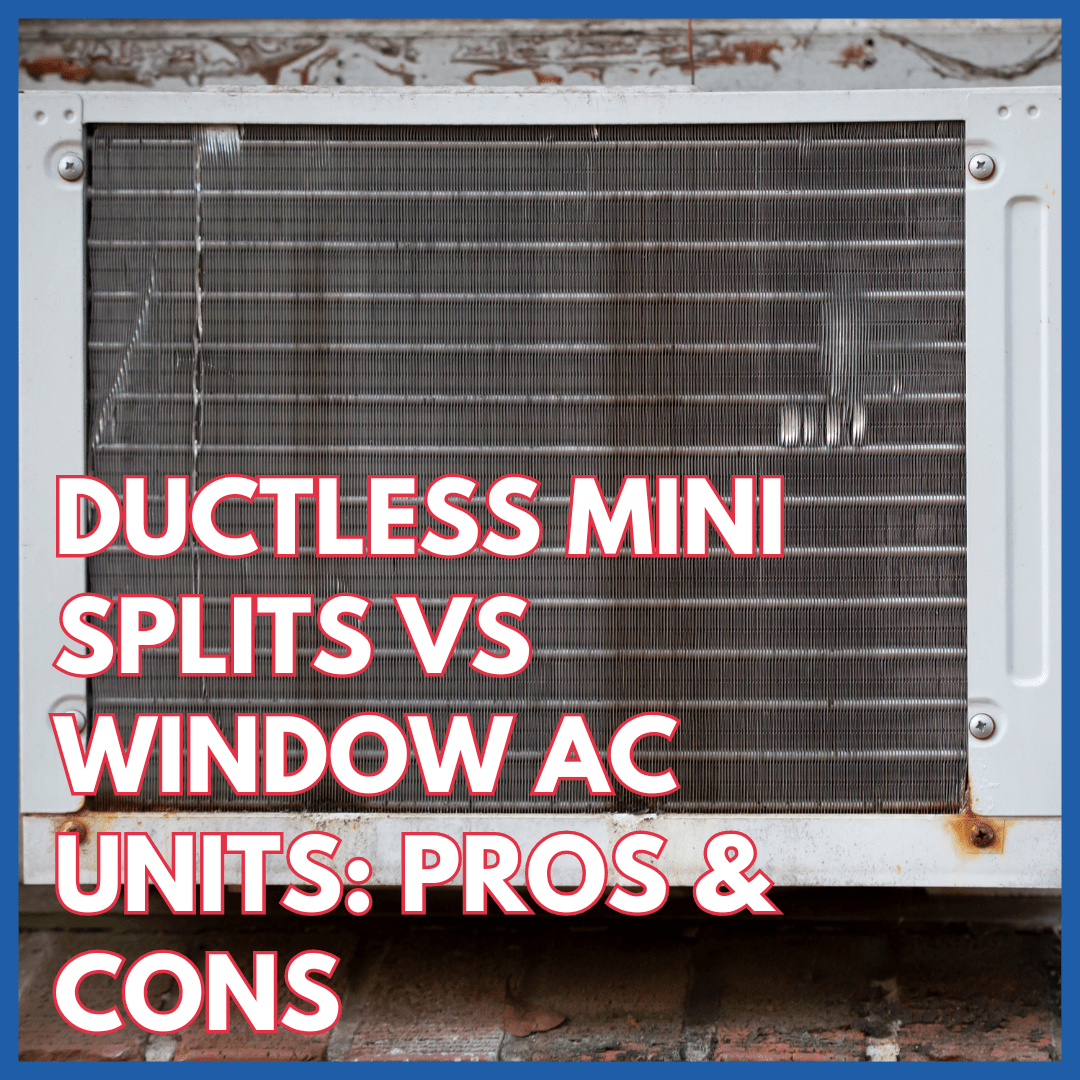
Window AC Units Vs. Ductless Mini Splits: Pros And Cons

Window AC Units Vs. Ductless Mini Splits

Window AC Units Vs. Ductless Mini Splits: Pros And ConsThere are several different options to choose from when cooling your home. In lots of cases, people go with a central air conditioning system. In this article we will be talking about window AC units vs ductless mini splits. Both options can cool your space off, but there are pros and cons for each system.
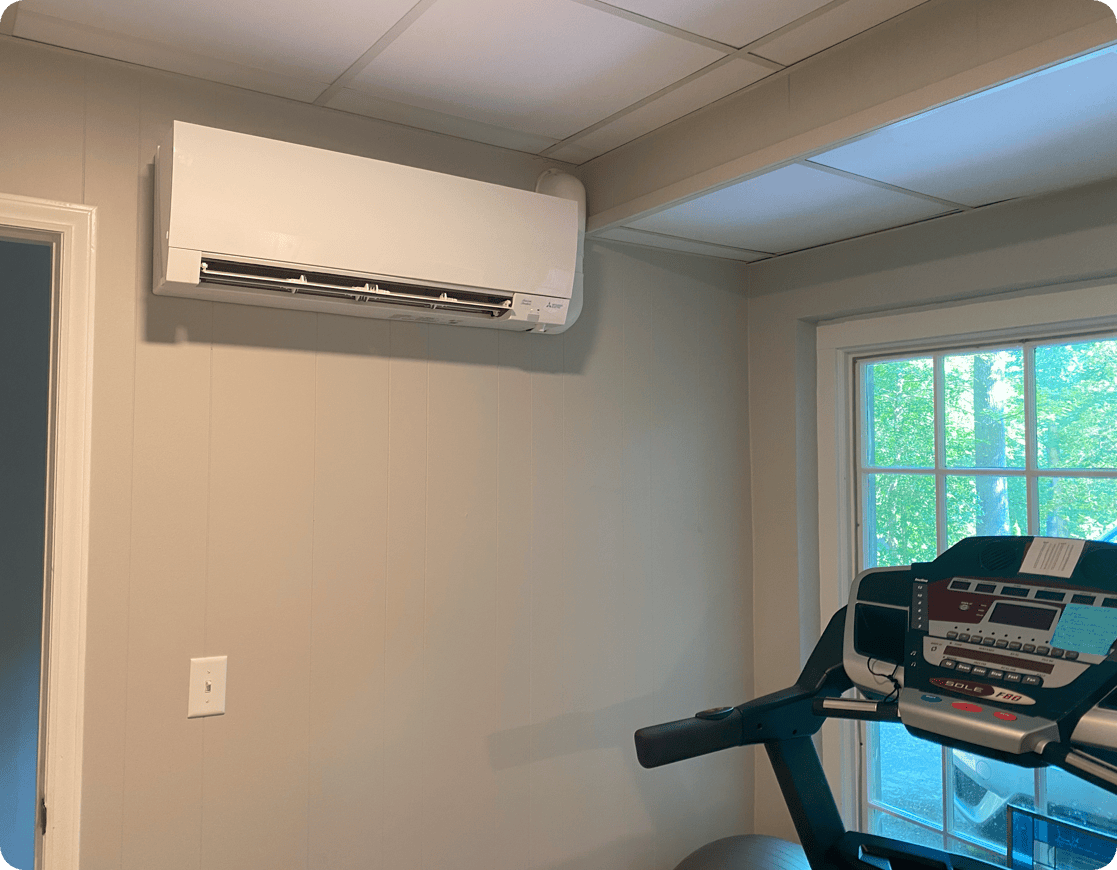
I’ve been installing air conditioning systems in the Marion, VA area, and the surrounding towns for years now, and have seen quite a few spaces that use both window AC units, or ductless mini splits. I certainly know what I prefer, but I want to walk you through a little more about each system before I dive into that.

This article dives into the specifics of ductless mini splits compared to window AC units, focusing on various factors including energy efficiency, comfort, versatility, noisiness, space consumption, and the cost of each. If you have any questions or would like to talk to someone about air conditioning for your home or business now, give us a call at (276) 690-9222.

What Is A Ductless Mini Split?

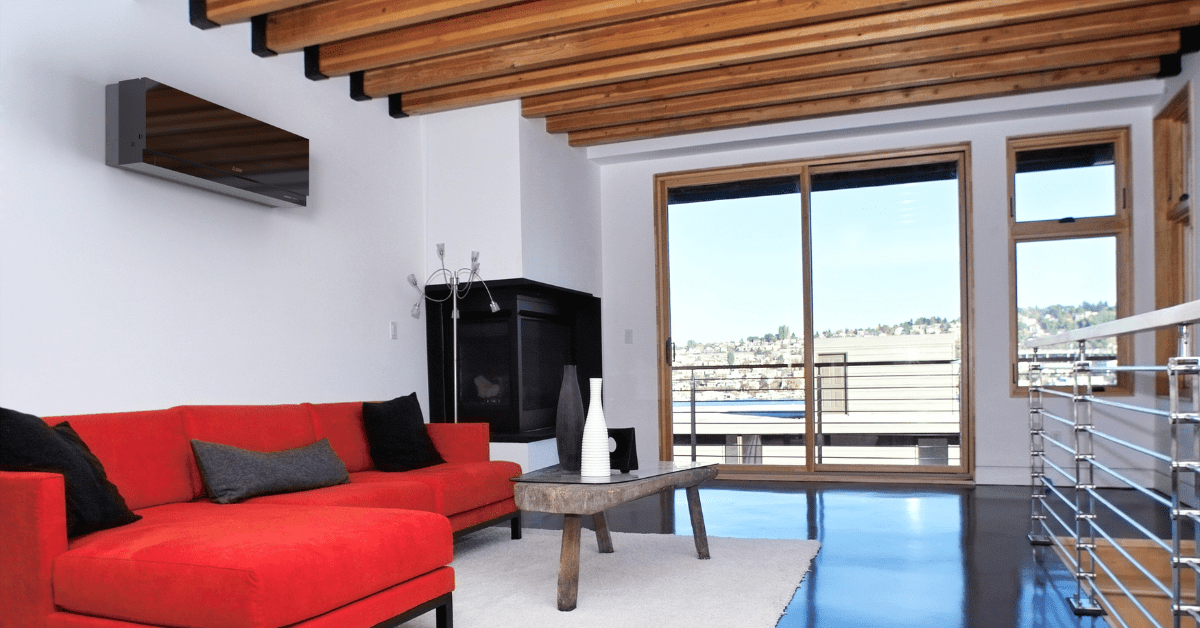
A ductless mini split system comprises two main components: an outdoor compressor/condenser and one or more indoor air-handling units. These parts are connected by a conduit, which houses the power cable, refrigerant tubing, suction tubing, and a condensate drain. As you can probably gather from the name, this system requires no ductwork, which makes it flexible in the spaces it can be used. This is great for homes without room for ductwork, additions, and spaces that only need some supplemental cooling.

Mini Splits Vs. Window AC Units

Energy Efficiency

Ductless mini splits are generally more energy-efficient than window AC units. They tend to have a higher Seasonal Energy Efficiency Ratio (SEER) rating, which measures air conditioning and heat pump cooling efficiency. Many mini splits have SEER ratings of 20 or higher, indicating that they use less energy to cool a space compared to window units, which typically have SEER ratings ranging from 8 to 12. This efficiency usually leads to significant savings on energy bills over time.

Superior Comfort

Mini splits offer superior comfort through more consistent and adjustable cooling. Unlike window units that often result in cold spots or uneven cooling, mini splits can distribute air more evenly across a room. They utilize inverter technology that allows the compressor to adjust its speed to maintain desired temperature levels without the on-and-off cycling of other air conditioning solutions. This is better for the comfort of your home, as well as your energy bills.

Versatility

Ductless Mini Splits Are Perfect For Any SpaceDuctless mini splits have the ability to cool the home off, but unlike window AC units, they can also be used to provide heating. In the summer ductless AC is wonderful, but it’s so nice to be able to use these same units to heat in the winter. Ductless mini splits are heat pumps, and just like heat pumps can keep you comfortable all year round, ductless mini splits do the same. Instead of using different HVAC solutions for heating and cooling, a ductless mini split is versatile enough to do both!
Noisiness

In terms of operation noise, mini splits are FAR quieter than window AC units. Ductless mini splits run at about half the amount of decibels that a window AC unit runs at. You know if you’ve ever used window AC units, as soon as you turn it on, you need to turn the TV up, or the music up, whatever you may be listening to. If you are on the phone, you have to go to a different room. This is a huge problem in living rooms, bedrooms, and home offices.

Space Consumed

Window AC units can be obtrusive, taking up window space and partially blocking natural light. Mini splits, on the other hand, have a less intrusive footprint. The indoor units can be mounted high on a wall, suspended from a ceiling, or even mounted flush into a drop ceiling, preserving window space and the aesthetic of the room.

This is also important when it comes to home security. A window unit if not properly secured, can be pushed into the house and used as a way for people to break in. Ductless units allow you to use that window regularly, with no security concern at all!

Cost Of Installation

Ductless mini splits are more expensive than window AC units, and with good reason. As you can see from all the points listed above, ductless mini splits offer a significant number of advantages over window AC units. It makes sense that these systems are going to cost more to install. Window AC units are usually in the couple hundred dollar range, whereas mini splits are in the couple thousand dollar range.

There are a few ways to offset the cost of mini splits though. First of all, they have a longer lifespan, which elongates their value over a window unit. They also typically qualify for rebates or tax credits. Because these systems are so energy efficient, utility companies and government programs often offer incentives to install this equipment that consumes less energy.

You will also start to see more savings on your monthly energy bills. Even though the installation cost of a ductless mini split may be higher, over the lifespan of the system, the mini split unit is going to cost far less to run than the window air conditioner. You also don’t have to worry about installing a heating system, being that the mini split can provide heating as well.

Ductless Mini Split Installation In Marion, VA

If you are considering a new AC system for your home or business in Marion, VA, we can help you out! Complete Comfort is located just a few miles away in Chilhowie, VA, and we have helped heat and cool many homes in the area. We can assess your current HVAC situation, and make the proper recommendations that will ensure your home is cool in the summer, and warm in the winter. Just give us a call at (276) 690-9222, or contact us online to speak to an expert!

4 Ways To Improve Indoor Air Quality In Abingdon, VA

4 Steps To Improve Indoor Air QualityUntil recent years, indoor air quality wasn’t something that was on the top of anyone’s mind. Now, offices, schools, and businesses are doing more and more to improve their indoor air quality. People are finding ways to improve their indoor air quality at home as well. 
I have been taking care of heating and air conditioning systems in Abingdon, VA and the surrounding areas for years. During that process, I also look into the home’s air quality. We have installed air purification systems, special air filters, and humidification control as well. 

We spend most of our time indoors, breathing the air within our homes, offices, and recreational spaces. This air can have a profound impact on our health, comfort, and overall well-being. 

In this article we will go over a few easy steps you can take to improve your air at home, and a few more permanent ones that will keep the air clean and healthy. If you live in the Abingdon, VA area and are looking for a little help with your indoor air quality, give us a call at (276) 690-9222, or contact us right here online. 

Why Is Indoor Air Quality Important?

The quality of the air in your home directly affects your health and the comfort in your home. Poor IAQ has been linked to a variety of health issues, ranging from immediate effects like allergies and respiratory issues to long-term consequences such as chronic respiratory diseases and heart problems. 

Contaminants like mold, pollen, dust mites, and volatile organic compounds (VOCs) can accumulate indoors, leading to some of these issues, and making homeowners want more from their indoor air quality. According to the EPA, the common organic pollutants inside can be up to 5 times more prevalent than the air outside. It gives a whole new meaning to “Stepping out for some fresh air”. 

If you have someone in your home that has asthma or other breathing problems, the air quality is so important. The cleaner the air is, the better for everyone’s health. 

What Can You Do To Improve Your Air Quality?

Improving indoor air quality usually involves a combination of strategies. In the process, you’ll want to reduce indoor pollutants, enhance the ventilation, and maintain optimal humidity levels. There are a few things you can do yourself, and also a few things you could install to clean up the air. Here are four effective ways to improve the air quality in your home or business:

Change Your Air Filter

Changing Your Air Filter Is A Simple Step To Improved IAQOne of the simplest yet most effective steps to improve indoor air quality is to regularly change the air filters in your heating, ventilation, and air conditioning (HVAC) systems. This is an easy task that you can perform on your own. We recommend changing your air filter once every 2-3 months. 
Air filters are designed to trap dust, pollen, pet dander, and other airborne particles, preventing them from circulating throughout your home. There are different rated filters for your HVAC system, noted by MERV rating, going from 1-16, 16 being the most effective. 

Ask your HVAC technician, but they will likely recommend a filter that is right in the middle of the scale. Sometimes the highest rated filters can restrict airflow, making it a burden on the HVAC system. 

Schedule An HVAC Service

When you schedule regular service for your HVAC system, they will clean all the components, dust, dirt, mold, etc. that may have gotten into your HVAC system.  A professional HVAC service can ensure that your system is operating efficiently and not contributing to indoor air pollution. 

An HVAC service also helps to prolong the lifespan of your HVAC system, and keep it running efficiently. We recommend that you have your HVAC system serviced at least once a year. This will ensure it’s clean, running properly, and keeping the air in your home fresh! 

Click Here To Schedule HVAC Service! 

Install An Air Purification System

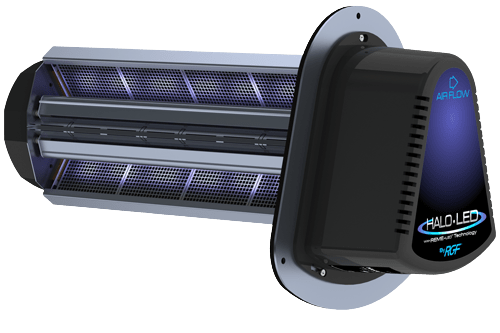
Where air filters catch airborne irritants as they pass through, air purification systems actively clean the air. Air purifiers are designed to remove contaminants from the air in a room or entire home. These devices can be particularly beneficial for individuals with allergies, asthma, or other respiratory conditions. 

Come air purifiers work by drawing in polluted air, filtering out particles, and circulating clean air back into the room. There are others that send little cleaning particles into that air that attack the airborne bacteria and allergens. Some air purifiers use HEPA filters, while others may use activated carbon, ultraviolet light, or ionization to clean the air. 

When selecting an air purifier, consider the size of the area you want to purify, the specific pollutants you’re targeting, and the Clean Air Delivery Rate (CADR) of the device.

Install Humidity Control

Another aspect of healthy air that is only thought about in the summer is humidity. No one likes it when it’s hot and humid in the summer. It makes the air feel heavy, sticky, and hot. Many people don’t realize that humidity also impacts them in the winter too. Humidity is the amount of moisture in the air, and if it’s too low, it can dry the air out, leading to dry skin, more coughs and colds, and breathing problems. It can also damage your furniture or wooden fixtures and instruments. 

The ideal indoor humidity level is between 30% and 50%. To manage humidity, consider using dehumidifiers in damp areas like basements and bathrooms, and humidifiers in dry environments, especially during winter months. You can also install humidifiers and dehumidifiers that can be installed right into your HVAC system that can treat the whole home. 

Indoor Air Quality Assessments

A good way to learn about the status of your indoor air quality is by having an IAQ assessment performed. This can inform you about the specific pollutants present in your home, and help a contractor to make the right recommendations. 

Improving indoor air quality doesn’t exactly happen overnight. It’s a process of assessing the air quality, and figuring out what to do to improve it. Doing some of the things we outlined like changing the air filters, scheduling regular HVAC maintenance, installing air purification systems, and controlling humidity are all steps in the right direction. If you are looking for an indoor air quality expert in Abingdon, VA, give us a call at (276) 690-9222! 

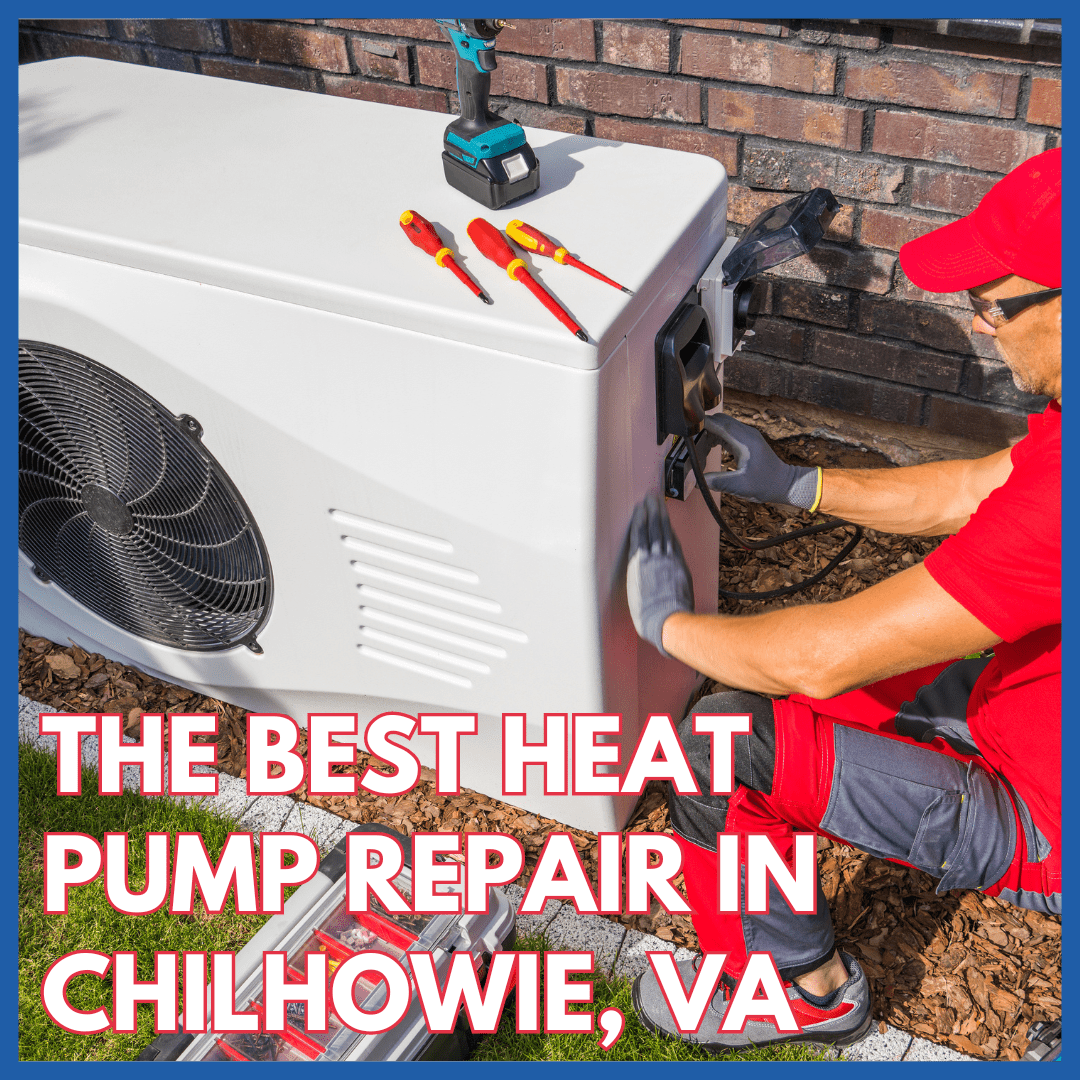
The Best Heat Pump Repair In Chilhowie, VA

Heat Pump Repair Guide

The Best Heat Pump Repair In Chilhowie, VAHaving your heat pump stop working in the cold of winter is no fun at all. You are scrambling to get it fixed, and in the meantime your home is probably pretty cold! Luckily for you, if you are reading this and live around the Chilhowie, VA area, you’ve come to the right place. Complete Comfort specializes in heat pump repairs, and have seen quite a few broken  down systems in our time. 
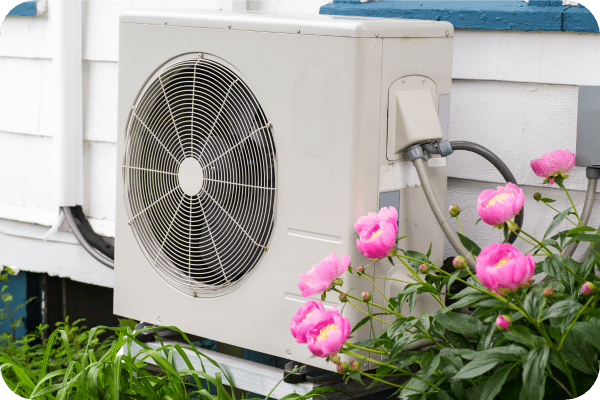
Heat pumps are built to last 10+ years, however, even the sturdiest of heat pumps can encounter issues. We’ve repaired heat pumps, replaced them, and installed them. When we fix a heat pump, we let you know exactly what the problem is, and the steps we are going to take to resolve it. We’ll also let you know if it’s time to start thinking about a replacement. 

This heat pump repair guide aims to address common heat pump problems, offering insights into effective solutions and the best steps you can take to prevent any heat pump problems from arising! 

If you need to speak to someone right away about a heat pump repair, give us a call at (276) 690-9222, or click here to contact us online.

Most Common Heat Pump Problems

Just like any machine, even if you are running it properly and have it serviced, problems can arise. This guide is going to help you identify those problems, and let you know the next steps you should take to have them resolved. 

Heat Pump Is Blowing Cool Air In Heating Mode

One of the most frequent complaints is a heat pump blowing cool air in heating mode. This can be due to a low refrigerant charge, malfunctioning reversing valve, or a problem with the thermostat settings.

 We recommend that you call in a professional if this is happening. They should be able to assess the problem, and let you know how to fix it. 

Heat Pump Is Running Continuously

Replacing The Air Filter Is A Good First StepIf your heat pump is running continuously, it might be struggling to reach the set temperature. This is something we see in older models, and ones that haven’t been serviced in a while. 

Some causes for this could be extreme outside temperatures. If it’s very cold or hot, your system may just have to run all day. Another problem could be a mismatch between the heat pump’s size and the space it’s heating. This is a bigger problem, because you may just have the wrong sized heat pump for your space. 

Another issue could be a clogged air filter restricting the air flow. This is a simple fix, and inexpensive as well. If the air filter is the issue, there’s no need to call in a pro. Just replace the dirty filter with a clean one. 

If the problem persists and your system is being overworked, call in a professional. You don’t want to waste energy, or run your system into the ground. 

Heat Pump Condenser Is Frozen

A frozen condenser is a common winter problem. It may be caused by insufficient airflow (check that air filter and make sure the vents are clear), low refrigerant levels, or a malfunctioning defrost cycle. 

If your system is frozen, call in a professional. They will likely ask you to turn off the system and defrost it. Then they’ll want to take a look and get to the bottom of what was causing it to freeze. 

Heat Pump Is Leaking

Leaks are usually indicative of a refrigerant issue or condensation drain problems.If your system is leaking, call in an HVAC technician right away. Not only is this a big problem for your heat pump, but it also can be an environmental risk, leaking chemicals onto your property. 

Heat Pump Smells Funny

Unusual odors can signal a range of issues. A musty smell typically points to mold or mildew, whereas a burning smell could indicate an electrical problem. 

We recommend scheduling regular service to avoid that. When you have your heat pump serviced regularly, a technician will look at the wiring, clean the components, and ensure that your system is ready to rock. 

Heat Pump Isn’t Treating The Whole Home

If some rooms remain cold while others are warm, it might be due to ductwork issues, inadequate insulation, or an incorrectly sized heat pump system. You may also see the airflow become a problem if your filter is clogged. 

The first thing we recommend is checking your air filter. If the problem persists, a thorough evaluation by a professional should be performed. They should be able to take a look at the whole system and see where the problem is stemming from. 

What To Do If Your Heat Pump Isn’t Working

What To Do If Your Heat Pump Isn't WorkingAs we’ve mentioned, check the basics first. Take a look at your air filter and make sure it’s not clogged. Then make sure no vents are being blocked and air flow isn’t restricted. Next, check the thermostat settings and circuit breakers. If everything is looking good to you, it’s best to contact a professional. If you are located around the Chilhowie, VA area, Complete Comfort can help. We will diagnose and fix the issue safely and efficiently! 
How To Avoid Heat Pump Problems

The best way to avoid heat pump problems is by scheduling regular service. We recommend service at least once a year to make sure the system is running smoothly and efficiently. 

A professional will clean all the components in your heat pump, and make sure it’s all in good shape. They’ll be able to tell you if certain parts are worn out and in need of a replacement as well. 

The things you can do on your own would be changing the air filter, and making sure that the space around your heat pump is clear. Your heat pump takes in air, and also disperses it, so having obstructions can cause operating issues with your system. 

Heat Pump Experts In Chilhowie, VA

Complete Comfort are your experts when it comes to heat pump repair and maintenance services in Chilhowie, VA. We have been working with heat pumps for years, and know how awesome these systems are for your home or business. Give us a call at (276) 690-9222, or contact us online for a little help with your heat pump! 

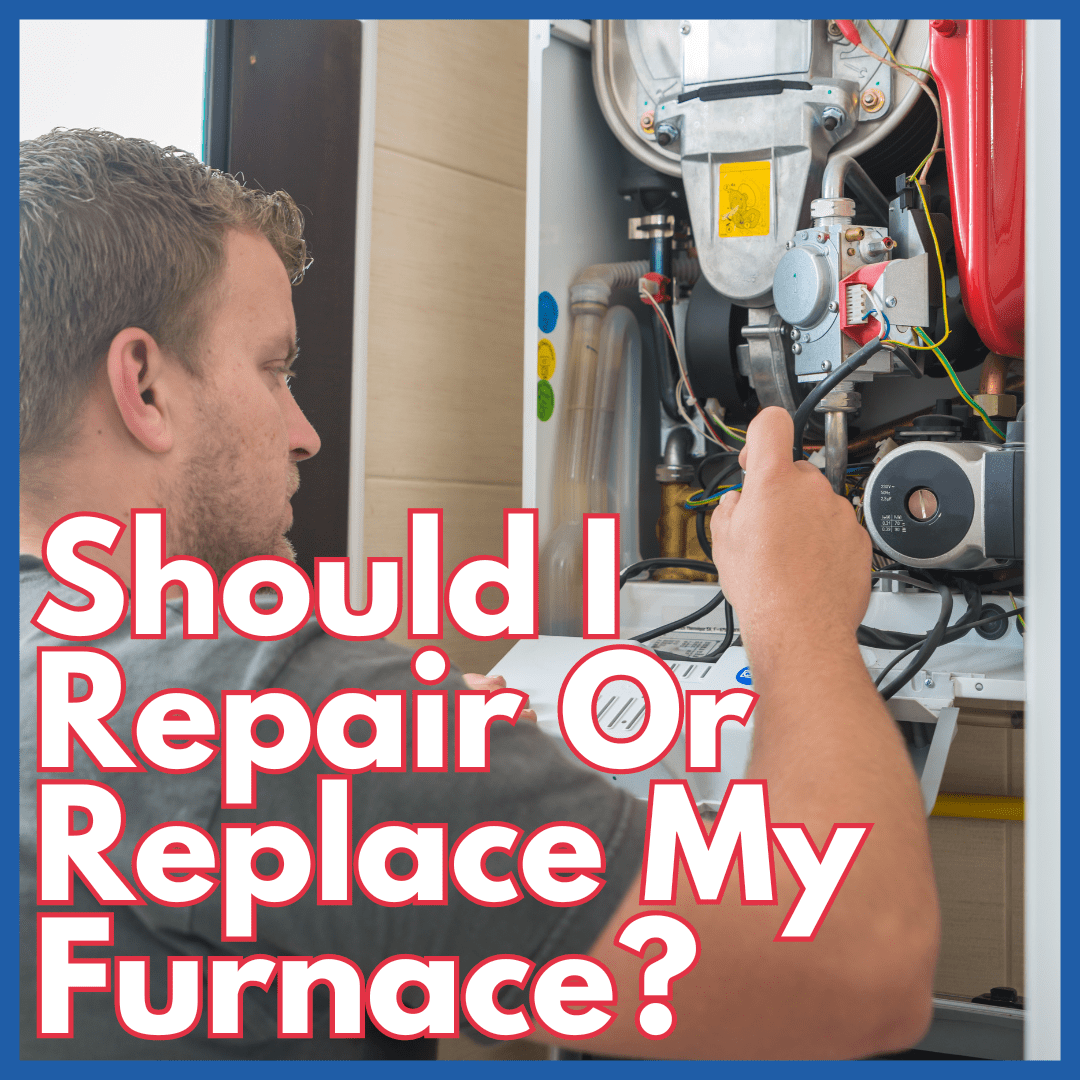
Should I Repair Or Replace My Heating System?

Should I Repair Or Replace My Heating System?It’s never fun when your heating system breaks down in the winter. It leaves your home cold, and you not knowing what it’s going to cost to get the heat back on. This is a time when homeowners are faced with a decision: Should I repair or replace my heating system? 
Factors such as cost of the repair, the age of the system, and frequency of repairs needed play crucial roles in this decision-making process. I’ve been working with furnaces, and all sorts of heating systems for years now, and have repaired or replaced a whole bunch. 

This article will go over the factors you should consider when it comes to fixing, or replacing your heating system. If you have any questions, or need some help with your furnace in the Chilhowie, VA area, give us a call at (276) 690-9222, or contact us online to make sure you get the heat on ASAP! 

How Long Does A Heating System Last?

The lifespan of a heating system largely depends on the type of system you have, the quality of your system, and the maintenance history. On average, a well-maintained furnace should last between 15 to 20 years. We’ve seen some systems that last over 20 years with proper care and routine professional maintenance. 

The problems usually arise when you don’t schedule maintenance, and let your furnace go years without service. This is when you see the system start breaking down years before it should. 

Signs You Should Replace Your Heating System

Obviously, if your heating system stops working, you will have to call in a professional to have it either fixed or repaired. Here are some signs that indicate it may be time for a replacement:

  • Age of the System: If your furnace is over 15 years old, it might be time to consider replacement, especially if it requires frequent repairs.
  • Increasing Energy Bills: An old or malfunctioning system often becomes less efficient, leading to higher energy bills.
  • Frequent Repairs: If your system has had to be repaired numerous times over the last few years, it’s a clear sign that your furnace might be nearing the end of its lifespan.
  • Inconsistent Heating: If you notice uneven heating or if some rooms are colder than others, your system may no longer be effective. This could be a problem with your ductwork, or your internal heating components. A professional can help you figure out what the exact problem is! 
  • Unusual Noises or Odors: Sounds and smells coming from your furnace can be normal, but there are also some that can indicate a problem. Kicking on and off, and maybe a small burning smell of soot when you first turn the system on are normal. But, if you start to hear loud bangs and clangs, or maybe smell something a bit stronger, it could be a sign there is a serious problem. 

Reasons You Should Repair Your Heating System

Not every furnace or heating problem requires a replacement. In some cases, repairing your heating system might be a better move.  Here are some situations where you should repair your heating system. 

  • Minor Cheaper Repair: Minor repairs can be more cost-effective than replacing the entire system. 
  • System’s Age: If your system is relatively new (less than 10 years old), repairs can extend its lifespan significantly.
  • Maintaining Warranty: Some repairs might be covered under warranty, making it a financially viable option. Be sure to let your HVAC technician know the system is still under warranty and see what can be done without having to shell out a bunch of money. 
  • Minor Issues: Simple issues like replacing filters or fixing a thermostat are usually easy and inexpensive to address. 

Your HVAC specialist should be able to look at your heating system, and give you some options. They should be able to give you the price of a repair vs the cost of installing a new heating system. 

We generally recommend that if the repair is expensive ($1000+), or if your system is older, consider a replacement. The truth is, you probably need to replace your furnace pretty soon if you are having major problems, and a repair is just going to push the replacement a little further down the road. 

If you install a new heating system, it’s likely more energy efficient than your current failing system, and you’ll notice the difference in your heating bills. Not only is your home going to be more comfortable, but over the lifespan of your new HVAC system, you are going to see lower energy bills that help offset the cost of your new system. 

How To Lengthen The Lifespan Of Your Furnace

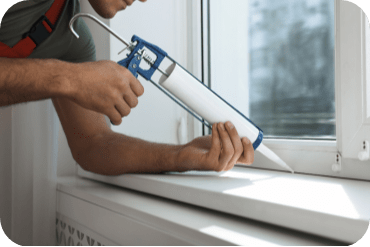
Sealing Windows And Doors Will Help Save Energy And Stay ComfortableThere are some easy steps you can take to keep your heating system in good shape, and lengthen the lifespan of your system. Here are some tips:
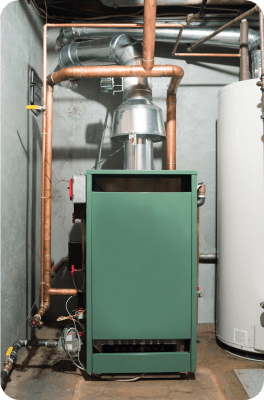
  • Regular Maintenance: You should have your system looked at once a year by a professional. Regular maintenance will keep your system running efficiently, and prevent problems before they cause major issues. 
  • Change Filters Regularly: Dirty filters can strain your furnace and reduce its efficiency. You should change them once every few months to keep the air clean and the system running smoothly. 
  • Keep Vents Unblocked: Ensure that all vents are free from obstructions to allow free air flow. Couches, shelves, and other furniture should be moved away from the vents. 
  • Thermostat Settings: Avoid setting extreme temperatures. Consistent, moderate settings can reduce the strain on your furnace. We recommend you set it and forget it! 
  • Insulate Your Home: Proper insulation can reduce the workload on your heating system, thereby extending its life. This may be a little tougher than a DIY situation. Have a professional assess your insulation, and see if there are spaces in the home that are leaking air, like windows, doors, attics, and edges of the home. 

The decision to repair or replace your heating system depends on various factors including age, efficiency, repair history, and the cost involved. Take account of all these factors, and get some professional advice. Remember, regular service is the best way to make sure your heating system lasts as long as it should, with the least amount of problems or energy waste! 

How Often Should a Furnace Cycle? Homeowner’s Guide

How Often Should a Furnace Cycle? Homeowner’s Guide

How Often Should a Furnace Cycle? Homeowner’s GuideDuring the winter, you probably hear your furnace kicking on and off every now and then. This is normal, and not something that should concern you. But, how often should a furnace cycle off and on? If you hear it kicking off and on constantly, then that’s something you should have looked at.
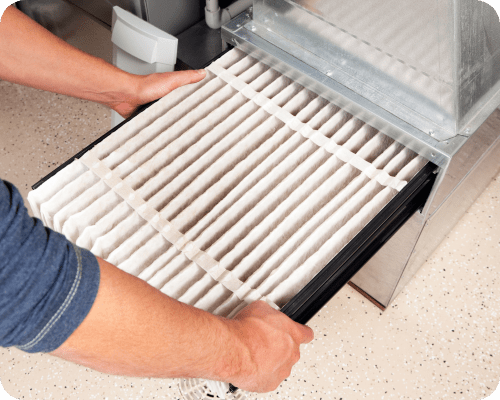
I have been servicing furnaces for years, and know my way around every different kind, from oil, to gas, and electric. Most of the problems are consistent across the board, and in my years of servicing furnaces, I think I’ve seen it all.

In this article, I’ll explain a little more about what furnace cycling is, what common problems would cause it to short cycle, and how to fix the problem. If you are in the Chilhowie, VA area and need help with your furnace, give us a call at (276) 690-9222, or contact us online to schedule an appointment!

Furnace Cycling Explained

Short-Cycling (And Why It’s Bad)

Understanding furnace cycles is a good way to know if your furnace is running normally, or there is an issue. Short-cycling, a common issue in furnaces, occurs when your heating system turns on and off more frequently than normal, a “short-cycle”. This leads to increased wear and tear on the furnace, and also results in higher energy bills and inconsistent heating. The reasons for short-cycling vary, but they often indicate an underlying problem with the furnace or thermostat.

How Often Should Your Furnace Kick On?

The frequency at which your furnace should kick on depends on various factors, such as the outside temperature, the size of your home, and the efficiency of your heating system. Generally, during colder days, it’s normal for the furnace to cycle on more frequently. Ideally, a properly functioning furnace should cycle on and off three to eight times per hour.

How Long Should Your Furnace Run?

The duration of each heating cycle can vary based on similar factors that affect cycling frequency. Usually, a typical furnace should run for about 10 to 15 minutes during each cycle. This duration ensures that your home reaches the desired temperature efficiently without overworking the furnace. How long your furnace should run is a key indicator of its efficiency and health.

Furnace Short-Cycling: Common Causes

Electrical Issues

Electrical problems, such as faulty wiring or malfunctioning circuit boards, can cause erratic behavior in furnaces, including short-cycling. Regular maintenance will be able to take care of this before it becomes a problem, as the technician checks all the wiring and parts of your furnace.

Filter is Blocked

The Air Filter Could Be A Reason Your Furnace is Short CyclingA blocked or dirty filter restricts airflow, causing the furnace to overheat and shut off prematurely. You should change your air filter regularly to prevent this issue, and also keep the air in your home cleaner and healthier.
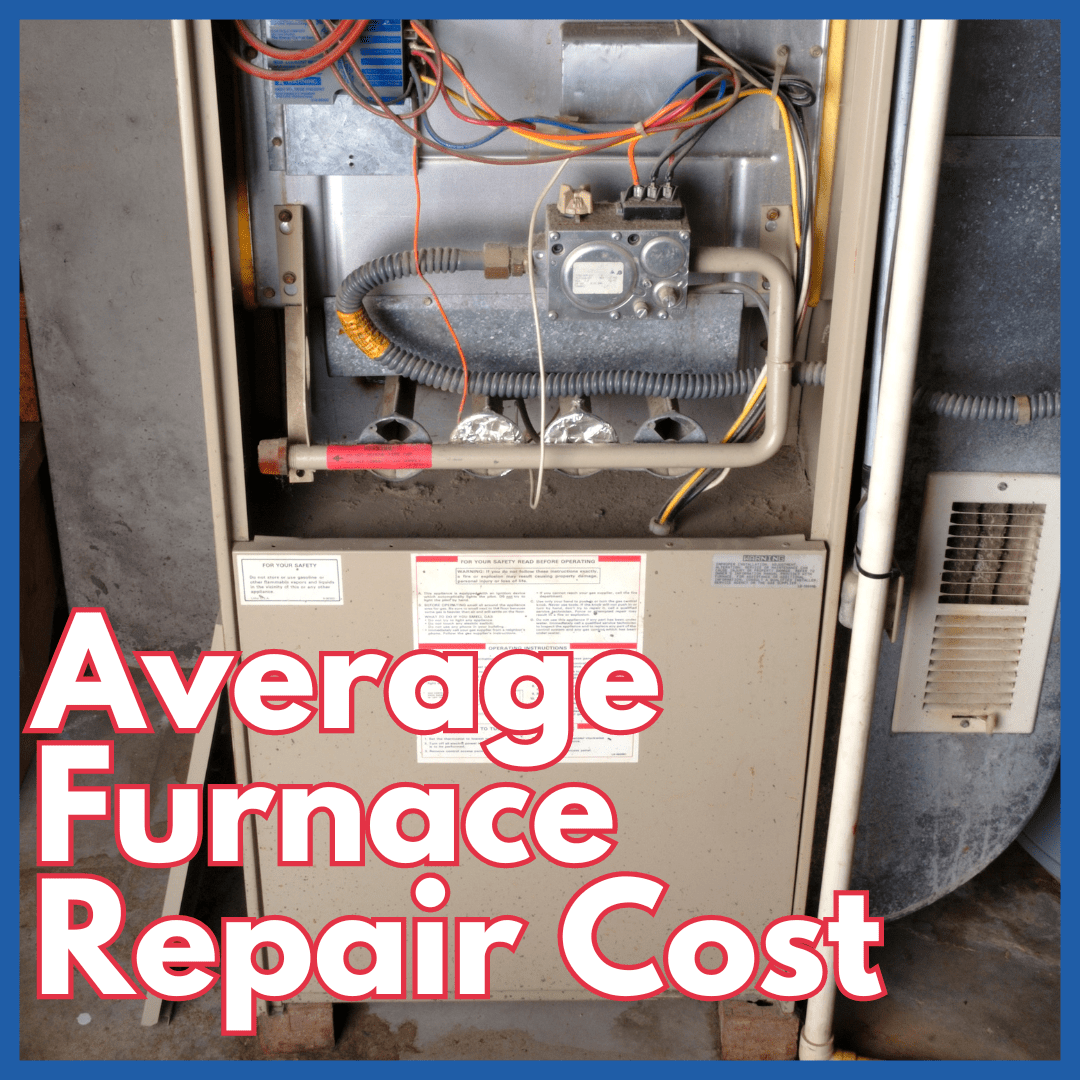
Thermostat is Faulty

A malfunctioning thermostat can send incorrect signals to the furnace, leading to short-cycling. This is another issue your technician should be able to check on a routine service call.

Furnace is Too Big For the House

An oversized furnace heats the home too quickly, causing it to turn off and on more often than necessary. This phenomenon, known as short-cycling, is not only inefficient but can significantly shorten the lifespan of your heating system. In the case of furnaces, bigger is not always better, and you should make sure you get the RIGHT sized furnace.

Additional FAQ: How Often Should a Furnace Cycle?

Is short cycling bad for a furnace?

Yes, short cycling is harmful to a furnace. It leads to excessive wear and tear, reduces efficiency, and can significantly shorten the lifespan of the heating system. Normal cycling is fine, but too often and it’s a problem.

Why does my furnace cycle so often?

Frequent cycling can be due to various reasons, including an oversized furnace, a dirty air filter, electrical issues, or a faulty thermostat. Call in a professional to take a look and assess the problem.

What is considered short-cycling for a furnace?

Short-cycling refers to a furnace turning on and off more frequently than normal, often without reaching the desired temperature. If your furnace cycles on and off more than eight times an hour or runs for less than 10 minutes per cycle, it may be considered short-cycling.

If you need help with your furnace, give us a call at (276) 690-9222, or contact us online to help you out!

Average Furnace Repair Cost Near Chilhowie, VA

Average Furnace Repair Cost Near Chilhowie, VA

Average Furnace Repair Cost Near Chilhowie, VANo one wants to deal with a broken down furnace, especially when it’s cold out and you know it’s just going to cost money. Still, knowing a little more about the average furnace repair cost near Chilhowie, VA, is a good way for homeowners to budget and prepare for maintenance or unexpected repairs. The average furnace repair cost is between $100 – $700 on the low end, and $1500 – $2500 on the higher end. 
During the winter, we a lot of the calls we receive are about broken heating systems. Maybe the system is on, but the heat doesn’t seem to be working. The thermostat is reading the right temperature but it doesn’t feel warm in the home. We see all different kinds of problems, and there are different solutions. 

In this guide, we are going to dive into various aspects of furnace repair costs, including labor expenses, common furnace issues, and when you should consider repair vs replacement. We also have a few tips on avoiding costly repairs, and lengthening the lifespan of your furnace. 

If your heating system is having issues and you want to speak to someone right away, give us a call at (276) 690-9222, or click on the button below to contact us online. 

HVAC Labor Costs In and Around Chilhowie, VA

Labor costs play a major part in the cost of a furnace repair. The cost of labor ranges from company to company, and it depends on a few other factors. If the job is complex and labor intensive, or requires particular expertise, the cost of labor could be higher. If the job is basic, like a routine service, the cost will be average to lower. The season can also play a role in costs. 

During peak winter months, demand for furnace repairs increases, potentially leading to higher labor charges. On average, homeowners in Chilhowie, VA can expect to pay between $75 and $150 per hour for HVAC labor. Emergency or after-hours services might incur additional charges. 

Typical Furnace Problems And Their Repair Costs

It’s nice to know a little bit about what the different problems can be with a furnace, and how much each one typically costs. Some are on the smaller side of things, while others can be bigger, more expensive problems. Here are some on the most common furnace issues:

  1. Malfunctioning Thermostat: A faulty thermostat can lead to inadequate heating or continuous running of the furnace. Luckily, this is a pretty simple fix. Repairing or replacing a thermostat usually costs between $100 and $600. It’s also worth looking into high end smart thermostats that save energy and add a layer of convenience to your home. 

  2. Ignition or Pilot Control Problems: Issues with the ignition system are something that’s not too uncommon. This is another one that’s not too expensive. Repairing these components typically ranges from $2000 to $500. 

  3. Frequent Cycling: Frequent cycling between the “On” and “Off” modes can indicate a clogged filter, improper airflow, or a faulty thermostat setting. If it’s just the filter, it’s an easy fix you can handle on your own, costing $20-$50. Other issues associated with a cycling issue can range from $100 to $600.

  4. Blower Motor Repair: The blower motor circulates air throughout the home. It pushes the air from your furnace, through your ducts, and into your home. Depending on the severity of the issue, fixing a blower motor can cost anywhere from $150 to $700. 

  5. Heat Exchanger Repair: The heat exchanger is crucial for heating the air. Repairing a damaged heat exchanger is often costly, with prices ranging from $750 to $2500. The heat exchanger also contains harmful gases that when leaked, can be extremely dangerous in your home. 

How to Avoid Furnace Repairs

It’s usually inevitable that a furnace breaks down at some point. If you get through a full furnace lifespan with 0 breakdowns, you are a lucky person! You also probably take care of your system. 

Here are a few things you can do for your furnace, to help you avoid breakdowns and expensive heater repair costs.

Changing the Furnace Filter

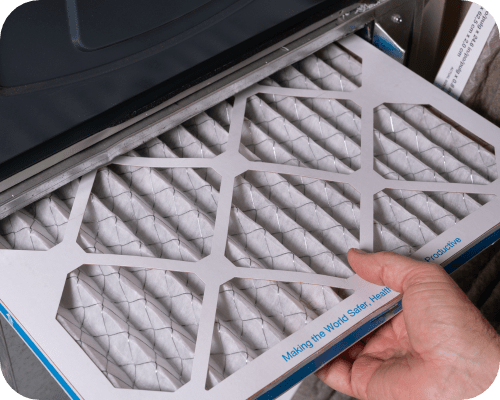
Changing The Air Filter Is An Easy Step You Can Take For Your FurnaceRegularly changing the furnace filter is a simple yet effective way to extend the life of your furnace and avoid costly repairs. This is something you can do yourself, and you should do it once every few months. The cost of a filter is usually around $20-$50. 

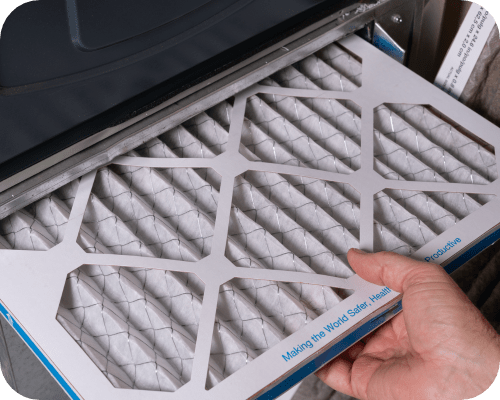
A clean filter ensures efficient airflow and reduces strain on the furnace, preventing overheating and wear. They also help keep the air in your home clean. You can see the filter in this picture… disgusting! If you don’t change your air filters, the air being pumped in your home is going to be full of dirt and airborne irritants. 

As you can see, changing the filter is good for your furnace, and for your home’s air quality! 

Annual Tune-Up

An annual tune-up by a qualified technician can significantly reduce the likelihood of unexpected furnace repair costs. This preventative maintenance usually involves inspecting and cleaning the furnace components, checking for leaks or damage, and ensuring efficient operation. 

People may view this as an additional cost, but you are going to be saving in the long run. Regular furnace service is going to: 

  • Lengthen the lifespan of your heating system
  • Improve energy efficiency = Lower energy bills
  • Improve your home comfort
  • Improve your indoor air quality
  • Maintain your warranty

Annual tune-ups typically cost between $140 and $300, and are well worth the cost. If you need to schedule service for your heating system, give us a call at (276) 690-9222, or click on the button below to contact us online. 

Should I Repair Or Replace My Furnace?

One of the debates you will have when your furnace breaks down is, “Should I repair or replace my furnace?”. Just like when a car breaks down and needs a repair, you have to weigh a few factors: 

  • How old is your furnace?
  • Has your furnace needed other repairs in the last 2 years?
  • How expensive is the repair?
  • How well has your furnace been working anyway?

If your furnace is newer, repair it. Especially if it’s under warranty, you are in good shape. If it’s the first repair your furnace has ever needed, chances are, it’s worth repairing. It starts to become more of a question if you have an older furnace, that has needed repairs in the past. And if the repair is over $1,200, it may be a better idea to start looking at a new system. 

Many people think that they are saving money by prolonging the life of a furnace. In truth, you are just delaying the inevitable. Eventually, you are going to need to replace that furnace that keeps needing repairs. In the meantime, you are most likely paying too much in energy costs to run this old furnace. 

So, if your furnace is: 

  • Older than 10+ years
  • Has needed 2+ repairs in the past 2 years
  • Requires a fix of more than $1,200

…start looking at your replacement options! 

Frequently-Asked Questions About Furnace Repair Cost

Here are some of the questions we hear most when it comes to broken down furnaces, and what they cost to repair. 

What is the most expensive part of a furnace to repair?

The most expensive part of a furnace to repair is typically the heat exchanger. Due to its complexity and crucial role in heating, repairing or replacing a heat exchanger can be costly, often ranging from $750 to $2,000.

What type of furnace is cheapest to run?

Electric furnaces are generally the cheapest to run in terms of upfront costs. However, gas furnaces tend to be more efficient and have lower operating costs in the long term, especially in areas with harsh winters. This also is impacted by the cost of gas, oil, and electricity at any given time. 

What to do while waiting for furnace repair?

While waiting for furnace repair, it’s essential to keep warm using alternative heating methods, such as electric heaters or fireplaces. Ensure adequate ventilation if using combustible heating sources and never use outdoor heating equipment indoors.

As you can see, understanding the furnace repair cost near Chilhowie, VA, can help you prepare for what it may cost, and now you know how to avoid breakdowns if possible! Regular maintenance, such as changing filters and annual tune-ups, along with being informed about common furnace problems, is the best way to get the most out of your furnace, while avoiding breakdowns and repairs! 


Furnace Noises and What They Mean: Tips for Homeowners

Furnace Noises and What They Mean: Tips for HomeownersIt’s about that time of the year when the weather cools off, and it’s time to turn the furnace on to keep your home warm. If your furnace starts making peculiar noises, it could be a sign of a bigger problem. There’s also a chance it’s normal. Understanding these furnace noises and what they mean is crucial for maintaining your furnace, making sure it’s safe, and keeping your home warm.

I’ve been working on furnaces for years now, and I’ve heard them make all kinds of noises. In this article, we are going to go through the different noises and give an explanation of what they mean.

If you are having problems with your furnace, let us know. We can come out and take a look at your heating system, let you know what the sounds mean, and recommend a service, repair, or replacement. Give us a call at (276) 690-9222, or click on the button below to contact us online!

What Are Normal Furnace Noises?

Before you start to panic when you hear your furnace making a noise, understand that furnaces aren’t completely silent. Normal furnace noises could be a soft hum from the motor or air movement. You may also hear a faint whoosh when the burners ignite. Depending on where the vents are, you may hear the air coming through them as well.

These sounds should be consistent and not too loud. If you start hearing loud noises, or something outside of this description, we recommend contacting an HVAC contractor, like the pros here at Complete Comfort.

12 Common Furnace Noises and What They Mean

Heating Service Can Address Many Issues With Your FurnaceThe sounds your furnace makes can be a good indicator of its condition. Not all of them are a bad sign, and depending on the sound, we will try and explain what it means. 


Here’s a list of 12 common furnace noises and what they potentially mean:

Rumbling

A rumbling noise when the furnace runs or shuts off could be an indication that the burner is dirty or that the pilot light is improperly adjusted. This can lead to inefficient furnace operation, and a regular furnace service will be able to clear this up.

Screeching

Screeching sounds often suggest a problem with the blower motor or the inducer motor. It may be that a bearing needs lubrication or that a belt is worn out and needs replacing.

Vibrating

Vibrating or shaking sounds could point to a loose panel or a screw that needs tightening. It could also mean that the blower wheel is unbalanced. This is another problem solved with a regular service.

Clicking

While a clicking sound upon startup is normal, if you continue to hear clicking, this could be an issue. It might indicate a defective relay or a problem with the control panel. Call in a pro to take care of this one.

Banging

A banging noise when the furnace makes a popping noise when turning on can be caused by the ductwork expanding and contracting. This is something you shouldn’t worry about.

However, if it’s a loud bang, it might be a small explosion within the furnace, potentially because of a delayed gas ignition. Just like when you let gas build up on a grill, then throw a match in, it causes a big flame to start. If this happens in your furnace, it could cause damage and become a problem.

Humming

A humming sound could signify an issue with the blower fan or capacitor. If the humming is louder than normal, it could suggest the fan is working harder than it should.

Read More: The Furnace Maintenance Checklist

Rattling

Rattling noises are often related to loose components. The panels might need tightening, or there might be loose screws or bearings in the motor. If it’s an outside panel, you may be able to tighten it yourself.

Pops

Pops or pinging sounds often come from thermal expansion—the ductwork is adjusting to the change in temperature. This is a common sound that you shouldn’t be worried about as long as it’s not too loud.

Chirping

Chirping when the furnace starts up is typically normal, as it’s often just the sound of the metal components warming up and expanding.

Buzzing

Buzzing noises could indicate electrical issues. This sound should not be ignored, as it could relate to something as serious as a failing motor.

Knocking

Knocking sounds can be caused by the blower assembly. If something is obstructing the blower or if it’s misaligned, it might create a knocking sound.

Scraping

A furnace grinding noise, especially one that resembles metal hitting metal, suggests that something is seriously wrong. This could be a sign that the blower wheel is loose and scraping against the blower casing. Call your HVAC contractor right away!

If you live in the Chilhowie, VA area, give us a call at (276) 690-9222, or click here to visit us online!

FAQs

When it comes to furnace maintenance and noises, homeowners often have a few common questions:

Should you be able to hear your furnace?

Yes, you should be able to hear your furnace operating, but the sounds should not be disruptive. You should hear it kicking on, and a low hum when it is running.

Why is my heater making a weird sound?

Heaters can make weird sounds for a multitude of reasons, such as dirty burners, loose parts, or airflow disruptions. Give your HVAC contractor a call if you want an expert opinion!

Why does my furnace sound like a freight train?

If your furnace is making a loud noise like a freight train, it could be an issue with the blower motor. If the motor is operating at a high capacity or there are other mechanical issues, it can produce very loud noises. A blocked air filter causing the motor to work harder could also be the culprit.